Indonesian Feed Additive Industry: Navigating Post-AGP Challenges with Botanical Extracts
The Indonesian animal agrifood sector is undergoing an unprecedented structural transition. With the implementation of Kementan (Ministry of Agriculture) Regulation Permentan No. 14/2017, which strictly banned the use of Antibiotic Growth Promoters (AGPs) in commercial animal feeds, the nation's integrators, millers, and farmers have faced pressing challenges. The primary obstacle remains the control of enteric pathogen pressures, notably Salmonella enterica, Escherichia coli, and Clostridium perfringens, alongside high mortality rates and degraded Feed Conversion Ratios (FCR).
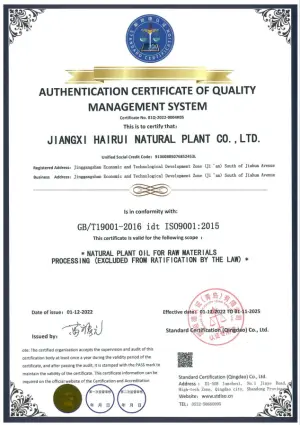
As a global leader in botanical extraction and phytogenic development, Hairui Natural Plant serves the Indonesian archipelago—spanning critical hubs like East Java, West Java, and North Sumatra—by delivering highly consistent, bio-active plant secondary metabolites. By offering standardized essential oils, carrier oils, and herbal extracts, we empower feed producers to formulate next-generation feed alternatives that support animal welfare, intestinal integrity, and optimal growth performance.
"The shift away from AGPs in tropical environments like Indonesia demands robust phytogenic feed additives (PFAs). Our specialized formulations deliver high thermal stability to withstand local pelleting processes while maintaining anti-microbial and anti-oxidative efficacy in vivo."
The Dynamic Challenge of Heat Stress and Tropical Humidity
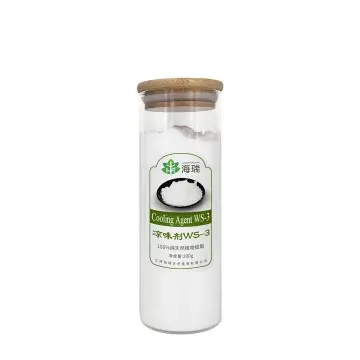
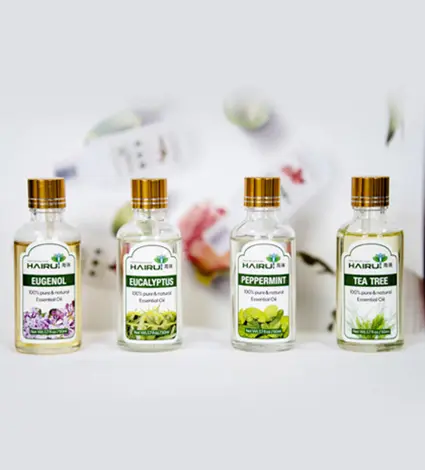
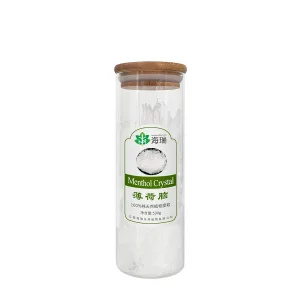
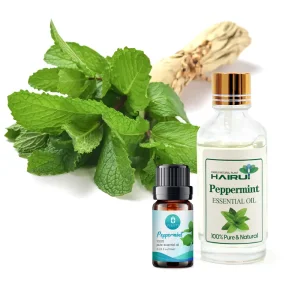
Indonesia's tropical rainforest climate presents distinct microclimatic stressors. High temperature-humidity indexes (THI) commonly lead to severe heat stress in broilers and layer flocks, causing leaky gut syndrome, systemic inflammation, and degraded immunity. The addition of specialized, food-grade cooling compounds like WS-3 and botanical monoterpenes (such as L-menthol from peppermint oil) works synergistically to stimulate the animal's cold receptors. This bio-response reduces panting, promotes consistent water intake, and safeguards cellular membrane integrity during peak daily temperatures.
Aquaculture Pathogen Mitigation: Shrimp and Tilapia Farming
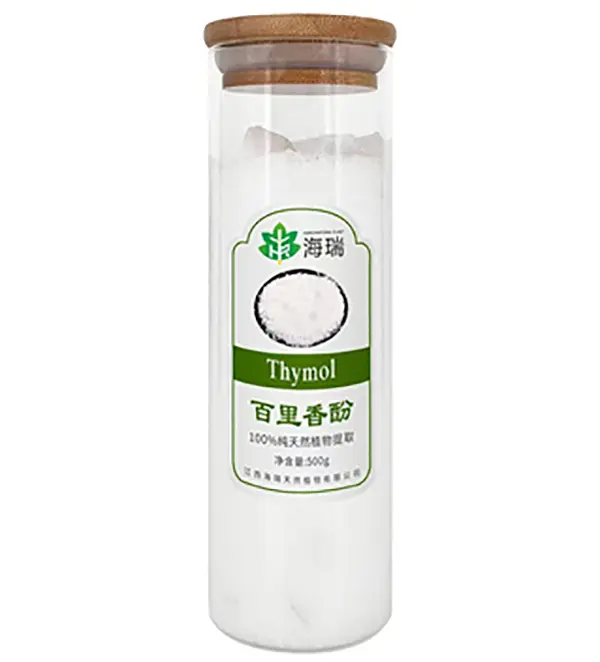
Indonesia's aquaculture market (especially shrimp production across Lampung, Sulawesi, and East Java) faces constant threats from Acute Hepatopancreatic Necrosis Disease (AHPND/EMS) caused by pathogenic strains of Vibrio parahaemolyticus. Standard chemical treatments run the risk of tissue residues and environmental degradation. Botanical extracts containing active fractions of carvacrol, thymol, and eugenol (sourced from natural clove and oregano complexes) have demonstrated deep disruptive actions on the lipid membrane of Gram-negative pathogens, offering a natural biosecurity solution.