1 / 1



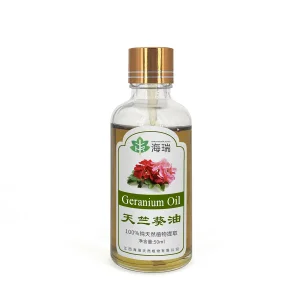
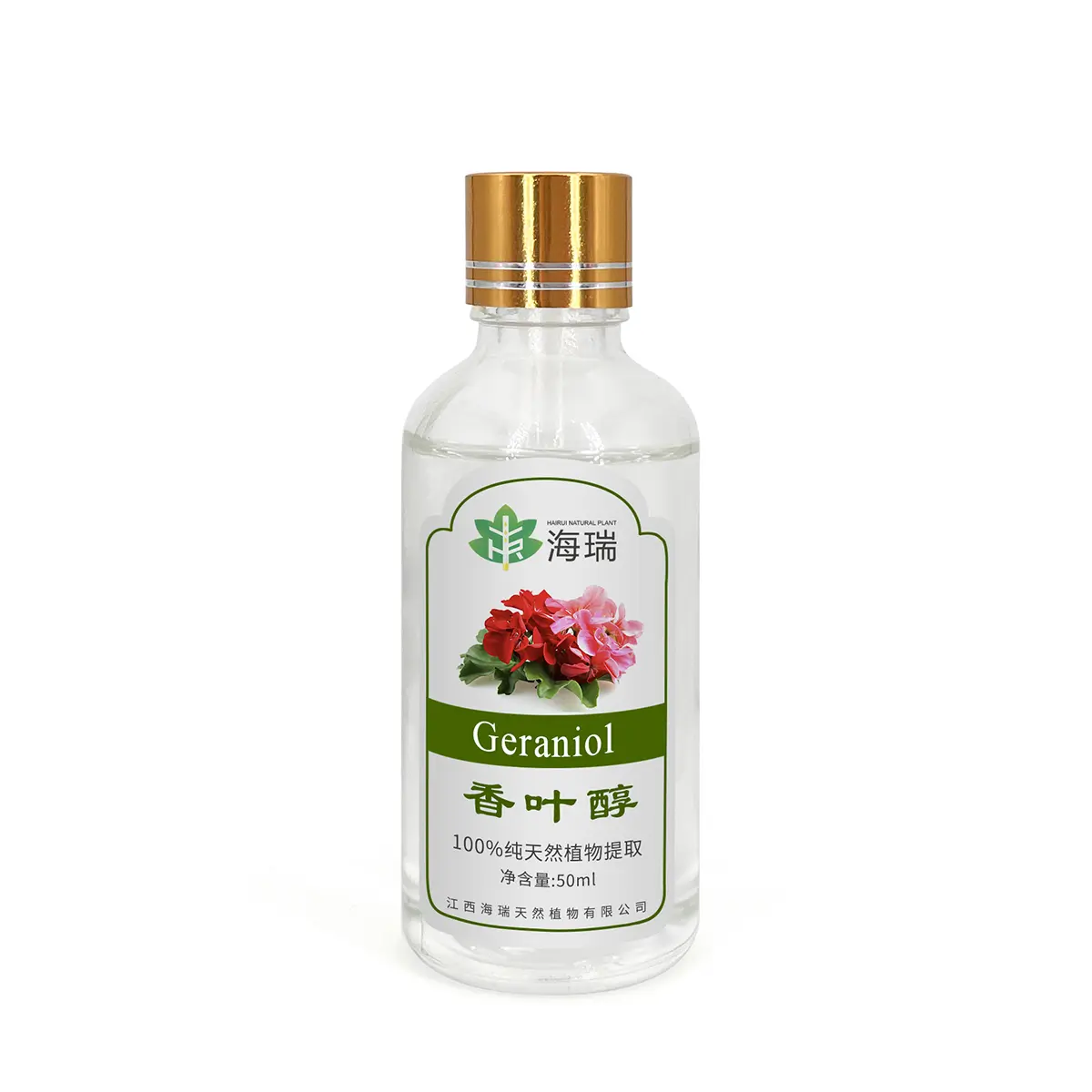
Geraniol is mainly derived from geranium, rose, palm grass, Java lemongrass, and bee mint. High-grade bergamot, clary sage, coriander, eucalyptus, helichrysum, lavender, lemongrass, bee balm, thyme, wild orange, and ylang ylang essential oils also contain small amounts of geraniol.
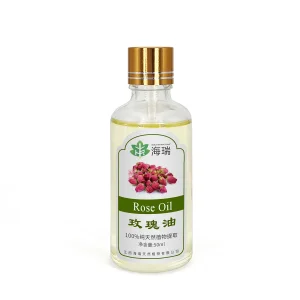
The smell of geraniol is the smell of blooming roses. It is the main sweetener in the perfume industry and the main component of fake rose essential oil. Therefore, many unscrupulous merchants use geranium to impersonate rose essential oil. Aromatherapy geraniol is like a hot love, passionate and charming, and a brave warrior of love. Geraniol has outstanding characteristics and its anti-microbial ability is the best among all monoterpene alcohols. Therefore, trans-geraniol is very effective for viral skin herpes.
Geraniol is one of the important spices. It is often used together with citronellol and phenylethyl alcohol. It is the basic spice for all kinds of rose essences and geraniol oils. It is widely used in floral essences, especially roses. It can also be used in limited quantities in essences such as tuberose, vanilla, acacia, orange blossom, violet, osmanthus, ylang-ylang, carnation, and magnolia. It can also be used in appropriate amounts in edible essences with the aroma of apple, apricot, strawberry, raspberry, plum, peach, honey, and cherry.
Geraniol is the main agent of rose essence, and is an indispensable flavoring material in various flower fragrances. It can also be regarded as a sweetener and can be used to prepare food, soap, and daily cosmetic essences. Products made from natural essential oils contain more than 90% geraniol when used in food and daily cosmetic essences, and more than 80% geraniol when used in soap essences.
Industrial products geraniol and nerol are raw materials for making vanillin, citral, hydroxyvanillin, ionone and vitamin A. Various esters synthesized with geraniol are also very good spices.
Geraniol is used in medicine for antibacterial and deworming; clinical treatment of chronic bronchitis has a good effect, not only improving pulmonary ventilation function and reducing airway resistance, but also beneficial to improving the immune function of the body, and has an effective, fast and less side effects profile.