1 / 1

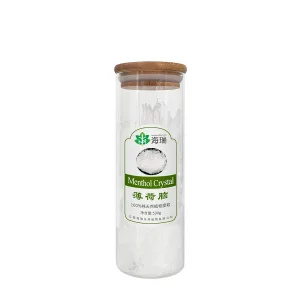
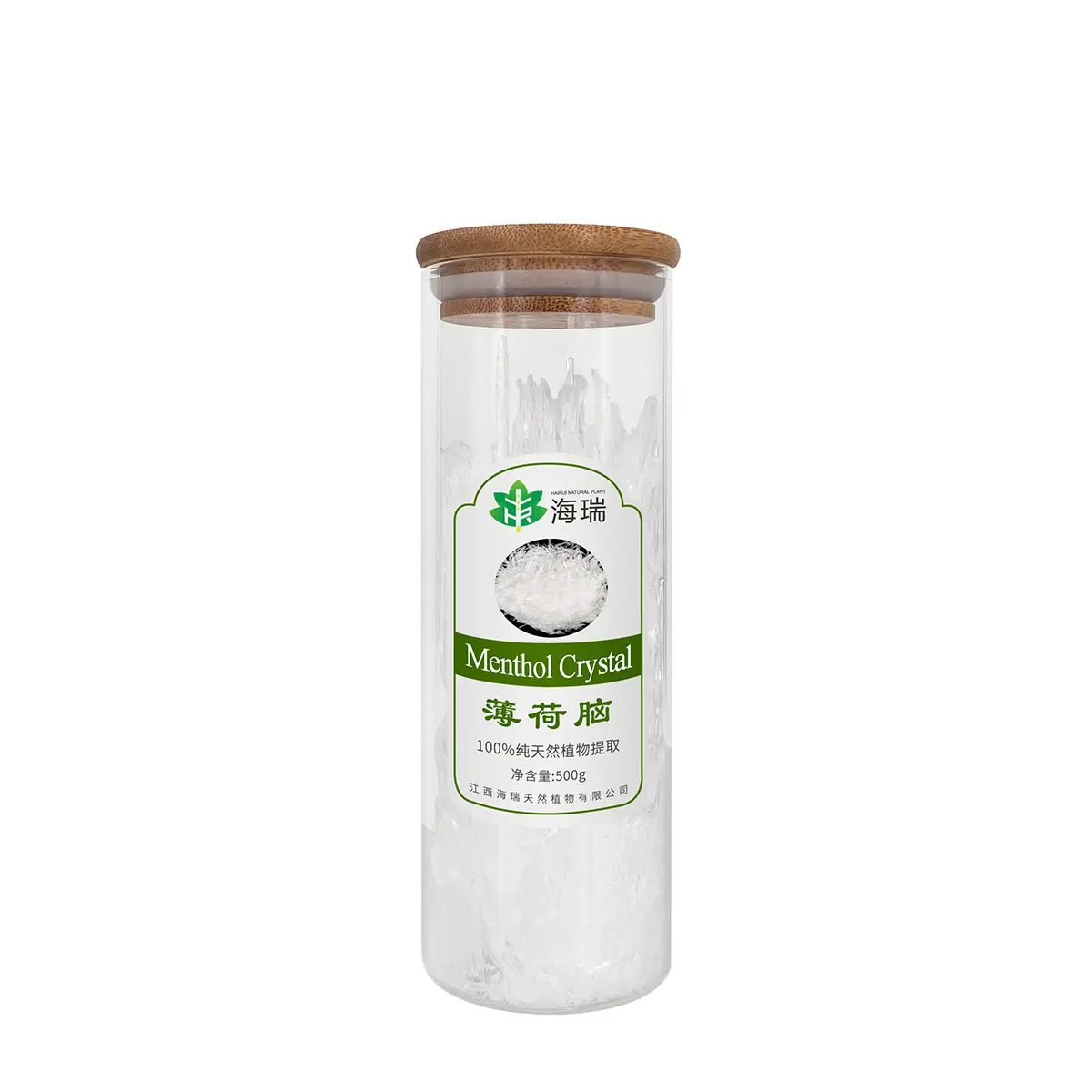
Menthol crystal is a colourless transparent acicular to prismatic crystals. This product is neutral in ethanol solution, easily soluble in ethanol, chloroform, ether, liquid paraffin or volatile oil, and slightly soluble in water.
Warning & Handling: Menthol is irritating and volatile. Avoid contact with strong oxides and keep containers tightly closed to maintain purity and prevent sublimation.
Menthol is an edible spice allowed to be used in China, mainly used for flavouring toothpaste, candy and beverage. The dosage is 1100mg/kg in chewing gum, 400mg/kg in candy, 130mg/kg in baked goods, 68mg/kg in ice cream, and 35mg/kg in soft drinks according to normal production needs.
GB2760-2014 stipulates that natural menthol is permitted to be used as food flavouring. For the preparation of mint-type spices (can account for 10% ~ 18%), it can also be used in candy (mints, gummies), beverages, ice cream, etc. (dosage 0.054% ~ 0.1%).
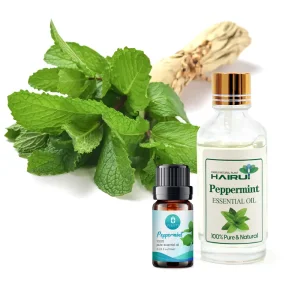
Menthol crystal can be used as toothpaste, perfume, beverages and confectionery fragrance. In medicine, it is used as a stimulant, acting on the skin or mucous membranes, with cooling and itching effect; internally, it can be used as a wind-repellent drug for headache and inflammation of nose, throat and larynx. Its ester is used in spices and medicines. In the world, China and Brazil are the main natural peppermint producers, and the annual output of peppermint oil both reach 2000-3000t. Due to its characteristic minty flavour and cooling effect, it is widely used in candy, cosmetics and toothpaste.
Peppermint and peppermint oil are important herbal medicines because of the medicinal value of menthol, which was used in China more than 1,600 years ago to treat diseases. The famous Ming Dynasty medical book "Compendium of Materia Medica" has a detailed record of the properties and medical effects of mint, saying that it is "pungent, bitter and cool in nature".
Modern medicine has proved that it has an excitatory effect, making the skin capillary expansion, promoting sweat gland secretion, sweating, detoxification, evacuation of wind-heat, and can be used to treat colds and wind-heat. There is also a beneficial effect on the throat, which can be used to treat wind-heat sore throat and cough. It has the effect of transmitting, helping measles transmitting. It can also act on the sensory nerve endings to cause sensory paralysis, hence the external use for pain and itching relief. It also exhibits strong bactericidal and insecticidal effects.
Because of these various medicinal effects, peppermint is one of the important ingredients in commercially available proprietary medicines such as Qingliang Oil, Anemarrhena, and Rendan. Cooling oil is made of peppermint oil, peppermint water plus clove oil, camphor, white wax, and white petroleum jelly preparation, commonly known as the oil of gold, used externally to treat colds, headaches, insect bites, and itching. Fresh mint leaves can be rubbed and pasted on the temples to cure vasodilatory headache. It can also cure rhinitis, anti-sepsis, and skin diseases, and is widely used as a flavouring in toothpaste, chewing gum, wine, beverages, and cosmetics.