1 / 1

Neem oil introduction:
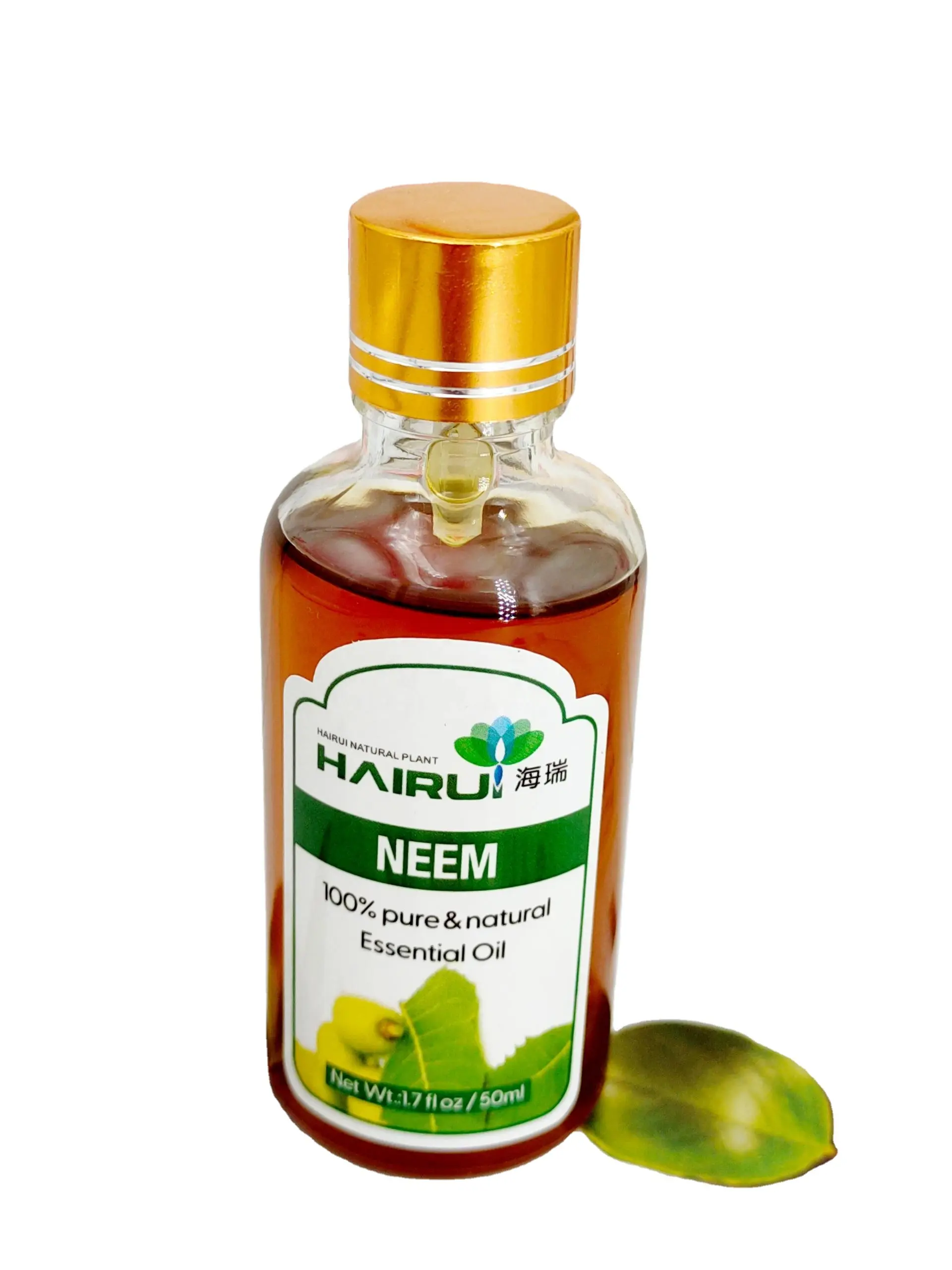
Neem oil is extracted from the seeds of the neem tree. Most pesticides on the market contain neem oil. Why use it directly to eliminate pests? It also has the effect of sterilization and disinfection, and is harmless and non-toxic to humans, animals, and birds. Neem oil does not kill pests directly, but makes them commit suicide. Pests will not die after being sprayed.


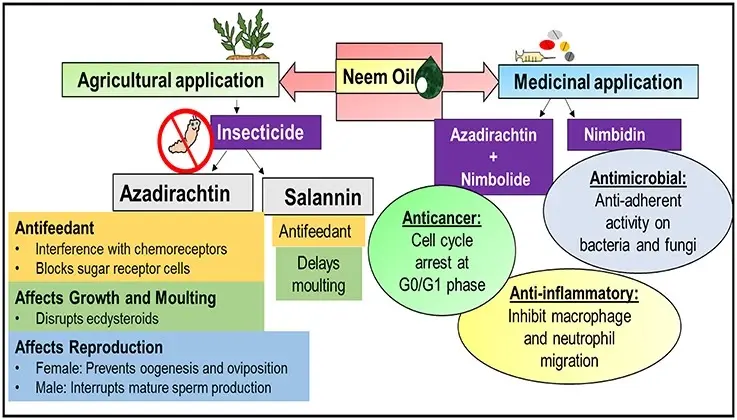
An oil film is formed on the worm body, and enters the stomata of the eggs and the stomas and organs of the larvae, pupae, and adults through capillary action, and causes the death of the worm body and eggs through suffocation.
Neem fruit active substances have contact repellent effect on various pests.
Seal adult antennae and young plant tissues, affect male and female mating, and make it difficult for them to find feeding sites and spawning sites, thereby reducing their damage and spawning. The egg laying rate of citrus red spiders has dropped by more than 90%.
Neem oil can effectively prevent and control the harm of root-knot nematodes and underground pests, and has special effects on root-knot nematodes.
Can prevent a variety of insect pests and fungal diseases.
Neem oil is used as a pesticide adjuvant, which can reduce pesticide resistance and increase the effect.
Neem oil is a natural oil extracted directly from the seeds of the neem tree.
No, Neem oil does not kill pests immediately. Instead, it works by disrupting their physical and biological systems, eventually leading to their elimination.
Yes, Neem oil is harmless and non-toxic to humans, animals, and birds, making it a safe choice for pest control.
It forms an oil film on the pest's body, which enters the respiratory system of larvae, pupae, adults, and eggs, causing death by physical suffocation.
Yes, Neem oil is highly effective in preventing and controlling root-knot nematodes and other underground pests, with special efficacy against root-knot nematodes.
When used as a pesticide adjuvant, Neem oil helps enhance the effectiveness of other pesticides while reducing pest resistance to chemical treatments.