1 / 1

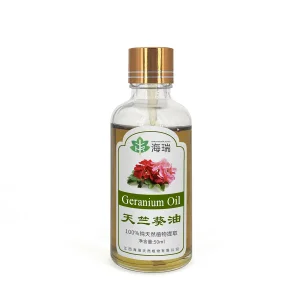
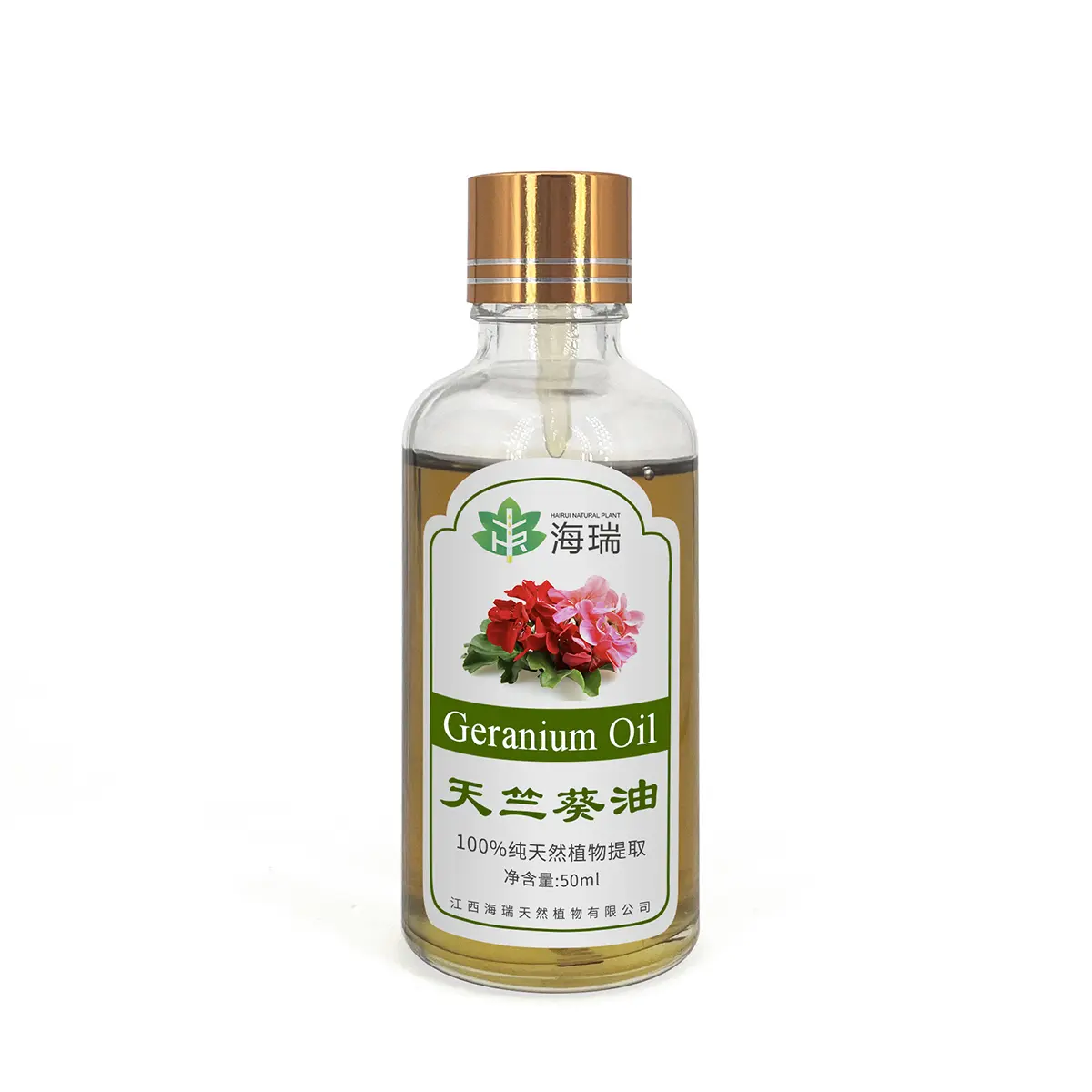
Geranium oil is a colorless or light yellow to yellowish brown clear and transparent essential oil. It has a characteristic sweet aroma such as rose and geraniol and a minty flavor with a bitter taste. Unstable to strong acid, geraniol ester and citronellol ester will be partially saponified in alkaline. Soluble in ethanol, benzyl benzoate and most vegetable oils, often milky white in mineral oil and propylene glycol, insoluble in glycerin.
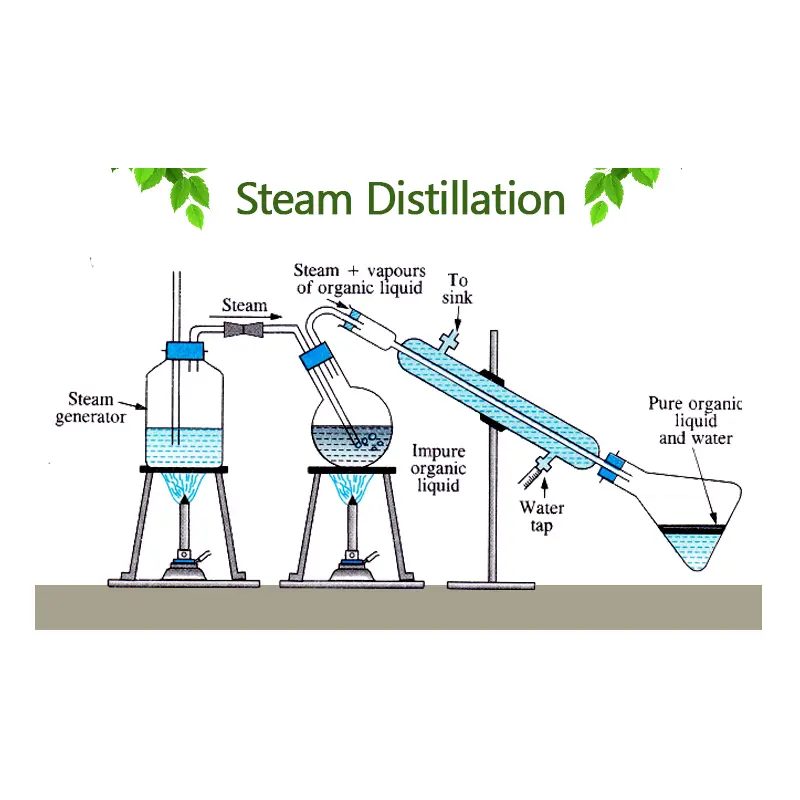
It is obtained by steam distillation from fresh stems, leaves or whole plants of Geranium geranium, a plant of the family Borealaceae, native to Morocco, Algeria and Reunion Island, and introduced in southwest and east China. The extraction yield is approximately 0.1% to 0.3%.
Geranium essential oil contains citronellol, citronellyl formate, pinene, geranic acid, geraniol, terpineol, citral, menthone and various trace mineral elements. Its main function is skin conditioning, and the active ingredients in the geranium extract have a strong affinity with natural organic fats.
Geranium essential oil is suitable for almost every skin condition. It can relieve pain, astringe antibacterial, penetrate into scars, and enhance cell defense function. It can deeply clean skin, balance sebum secretion, promote skin cell regeneration, repair scars and stretch marks, especially suitable for oily skin and acne skin. It has a good effect on alleviating and eliminating acne and acne marks.
With its intense integrated sweetness and complex flavors of rose and mint, this colorless or light green essential oil features a sweet and slightly raw smell. It is often used to make the middle note of women's perfumes. The flavor of geranium can be said to be somewhere between the sweetness of rose oil and the intensity of bergamot, and its neutral qualities make it very easy to blend with other essential oils.
Geranium's sweet floral aroma can make people relax and calm down. Used as incense, it creates an atmosphere of love and harmony, making it perfect for wedding anniversaries, dating, or social gatherings.
Add 2 to 3 drops of geranium essential oil to warm water or directly into your shampoo. Soaking and washing hair this way maintains hair health and leaves a delightful, subtle feminine aroma for days.
Highly suitable for dry or combination skin. It acts as an astringent and antiseptic while effectively balancing sebaceous gland secretion, making it a staple additive in skin care products.
Perfect for aging skin. It stimulates the circulation of body fluids, restoring redness, radiance, and a healthy rosy glow to complexions that have lost their natural vitality over time.
Like most flower oils, it offers excellent antiseptic and antidepressant properties. Its astringent and haemostatic qualities make it highly suitable for treating minor wounds and aiding quick skin recovery.
Geranium oil is a clear, colorless to yellowish-brown essential oil. It features a sweet, rose-like aroma blended with geraniol and a hint of minty, bitter flavor.
The oil is manufactured using steam distillation from the fresh stems, leaves, or the entire plant of the Geranium geranium. The extraction yield generally ranges from 0.1% to 0.3%.
It contains key components such as citronellol, citronellyl formate, pinene, geranic acid, geraniol, terpineol, citral, menthone, along with various trace mineral elements.
It deeply cleanses the skin, balances sebum secretion, promotes cell regeneration, and helps repair scars, stretch marks, and acne marks, making it highly effective for oily skin types.
Yes, it can be diluted in warm water for hair soaking, added directly into shampoo, or blended into skincare products to balance oil and add a healthy glow to aging or dry skin.
Yes, its neutral qualities place it comfortably between the sweetness of rose oil and the intensity of bergamot, making it very versatile and easy to blend with other essential oils.