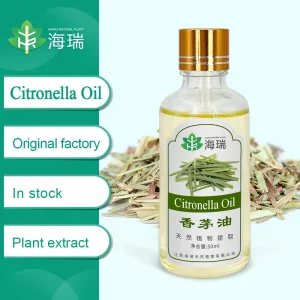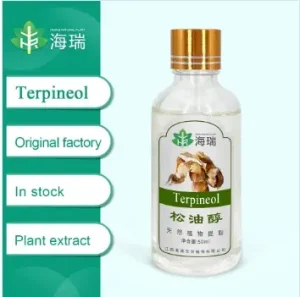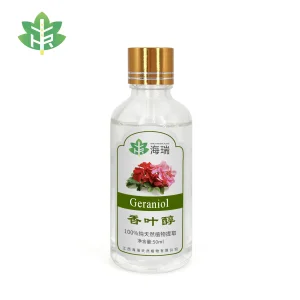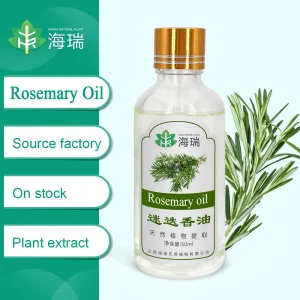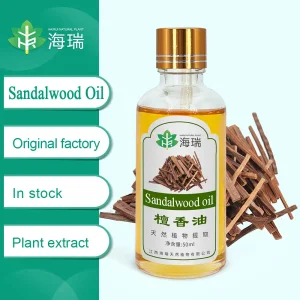
Direct from Manufacturer – Supercritical Extraction & Pure Formulations
The global livestock industry is undergoing an unprecedented paradigm shift. For decades, Antibiotic Growth Promoters (AGPs) served as the cornerstone of animal husbandry, accelerating growth rates and suppressing subclinical infections. However, the rise of antimicrobial resistance (AMR) and the bioaccumulation of chemical residues in the human food chain have forced regulatory bodies worldwide to implement strict prohibitions. The European Union pioneered the AGP ban in 2006, followed by similar stringent actions from the United States Food and Drug Administration (FDA), China's Ministry of Agriculture and Rural Affairs (MARA), and regulatory frameworks across Latin America and Southeast Asia.
As a result of these global regulatory pressures, agricultural enterprises, large-scale feed mills, and integrators are searching for high-efficacy, standardized feed additive antibiotic alternatives. Among the options available, Phytogenic Feed Additives (PFAs)—particularly those derived from plant essential oils, herbal extracts, and natural base oils—have emerged as the most viable solutions. These natural bio-active compounds do not simply mimic the pathogen-killing activity of traditional antibiotics. Instead, they operate through multi-targeted pathways: modulating the intestinal microbiome, stimulating endogenous enzyme secretions, enhancing mucosal barrier integrity, and providing potent anti-inflammatory and antioxidant benefits.
Information Gain Paradigm: Unlike synthetic alternatives (such as organic acids or chemical probiotics) which only affect pH or introduce single bacterial strains, high-purity phytogenics contain hundreds of active chemical compounds working synergistically. For example, carvacrol and thymol act in concert to disrupt the cell membranes of Gram-negative pathogens like Escherichia coli and Salmonella enterica, rendering them susceptible without inducing bacterial resistance.
To build a robust bio-security strategy in animal feed formulation, manufacturers categorize natural phytogenics into three distinct technical classes. Jiangxi Hairui Natural Plant Co., Ltd. leverages its 17+ years of extraction expertise to produce these classes under strict GMP and ISO-certified protocols:
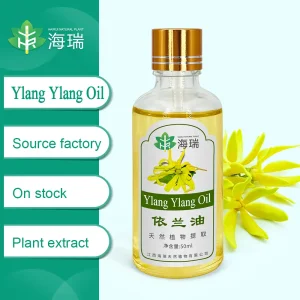
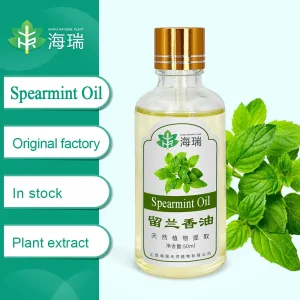
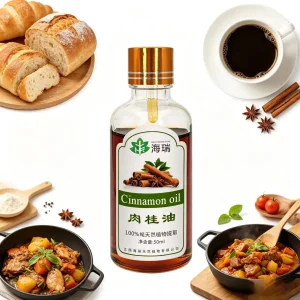
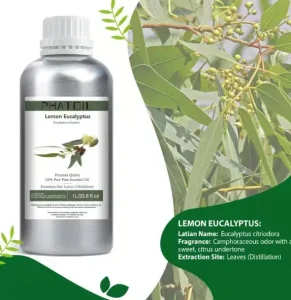
Extracted through advanced steam distillation and cold compression. Contains key active compounds such as Oregano Oil (carvacrol/thymol), Peppermint Oil (menthol), Cinnamon Oil (cinnamaldehyde), and Eucalyptus Oil (eucalyptol). These oils act as natural antimicrobials, anti-inflammatories, and digestibility enhancers.
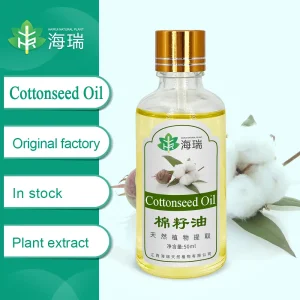
Cold-pressed vegetable and seed oils, including evening primrose oil, castor oil, and high-purity cottonseed oil. These oils serve a dual purpose: stabilizing highly volatile essential oil fractions and acting as energy-dense carriers that provide essential fatty acids (LA, GLA) for gut cellular structure.
Phytochemical fractions separated under temperature-controlled cooling and extraction. Utilizing raw materials from our 5,000+ acre self-owned agricultural base, these extracts guarantee high concentrations of standardized plant active markers to ensure consistency in batch-to-batch feed manufacturing.
Quantifiable scale and engineering precision backing Jiangxi Hairui Natural Plant
Our manufacturing facility represents a total capital investment of RMB 50 million, spanning an area of 13,000 square meters. The plant is equipped with analytical instruments including Gas Chromatography-Mass Spectrometry (GC-MS), High-Performance Liquid Chromatography (HPLC), and heavy metal atomic absorption spectrometers. This state-of-the-art laboratory infrastructure ensures that every batch of plant oil complies with international standards for purity, heavy metal limits, and pesticide residues.
Witness our industrial-grade distillation processes and quality assurance laboratories
The global raw material supply chain for plant-derived feed additives faces constant pressure from climate volatility, logistics issues, and uneven quality control. China, and specifically the Jiangxi province (known historically as the "Home of Spices"), offers structural advantages that global buyers can leverage to optimize costs and secure consistent supply:
| Active Ingredient Category | Botanical Source | Primary Biological Marker | Mechanism of Action in Animal Nutrition |
|---|---|---|---|
| Oregano Essential Oil | Origanum vulgare | Carvacrol (≥ 70%), Thymol | Damages bacterial cell walls; reduces gut pathogen colonization. |
| Cinnamon Oil | Cinnamomum cassia | Cinnamaldehyde (≥ 80%) | Stimulates endogenous digestive enzyme secretion; improves FCR. |
| Eucalyptus Oil | Eucalyptus globulus | 1,8-Cineole (Eucalyptol) | Acts as an anti-inflammatory and expectorant; mitigates respiratory stress. |
| Peppermint Oil | Mentha piperita | L-Menthol | Calms gut smooth muscle; alleviates heat stress in monogastrics. |
Enterprise-level buyers—such as global feed integrators (e.g., Cargill, CP Group, Tyson Foods partners)—evaluate feed additive manufacturers based on strict technical criteria that extend beyond basic pricing:
Thermal Stability & Pelletization Recovery: In industrial feed mills, mash feed undergoes conditioning and pelletization at temperatures ranging from 80°C to 90°C. Standard essential oils are highly volatile and thermo-sensitive, meaning they can vaporize during processing. Global procurement requires suppliers to offer stabilized formulations (e.g., microencapsulated or carrier-bound oils) that ensure high active compound recovery rates post-pelleting.
Active Marker Standardization: Raw plant materials naturally vary due to weather, soil health, and harvest timing. An unstable level of active compounds can lead to unpredictable animal performance. Reliable manufacturers solve this by analyzing every batch with GC-MS and blending oils to meet exact active marker specs (e.g., guaranteeing a minimum of 60% active cinnamaldehyde).
Matrix Compatibility: The phytogenic additive must mix uniformly with mineral premixes, amino acids, and organic acids. It should not cause oxidation, clumping, or degradation of other sensitive nutrients like Vitamin E or trace minerals.
How our biological plant products perform across agriculture, health, and cosmetic sectors
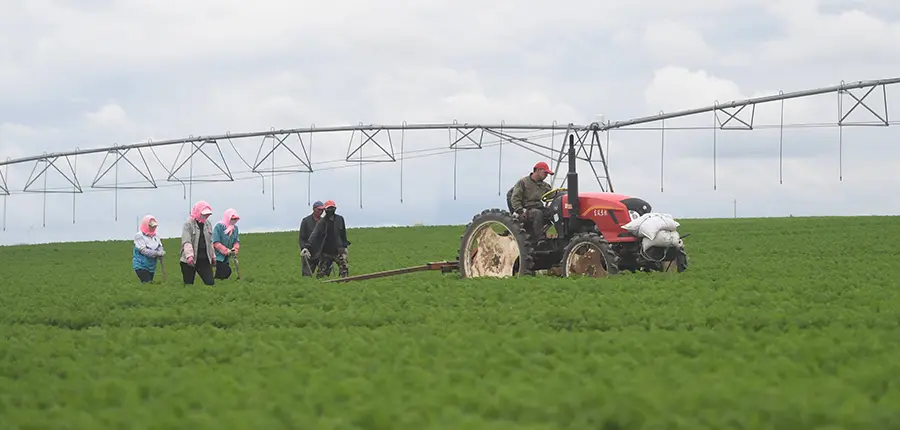
Natural sweet orange and eucalyptus oils serve as eco-friendly adjuvants, bio-pesticides, and fungicides. They promote crop leaf respiration and eliminate chemical residues.

Cold-pressed castor and evening primrose oils moisturize skin, prevent scalp infections, and serve as premium botanical bases for hair serums and body lotions.
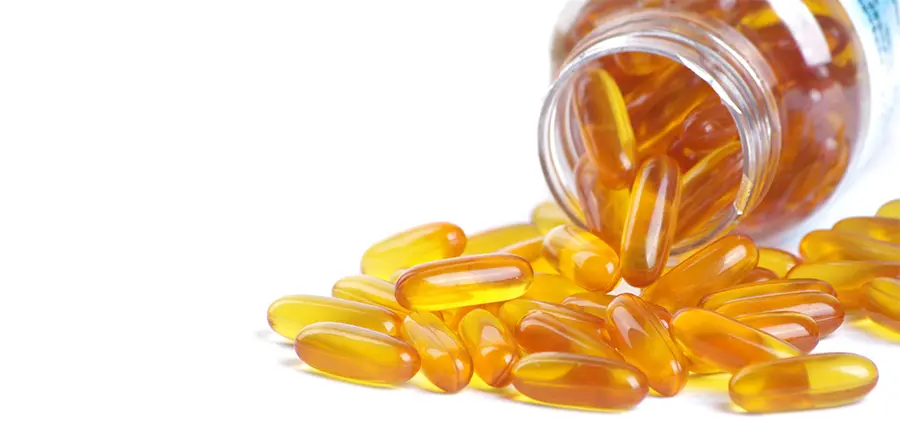
Gamma-linolenic acid (GLA) and active botanical extracts are encapsulated to treat cardiovascular inflammation, balance hormones, and improve immunity.
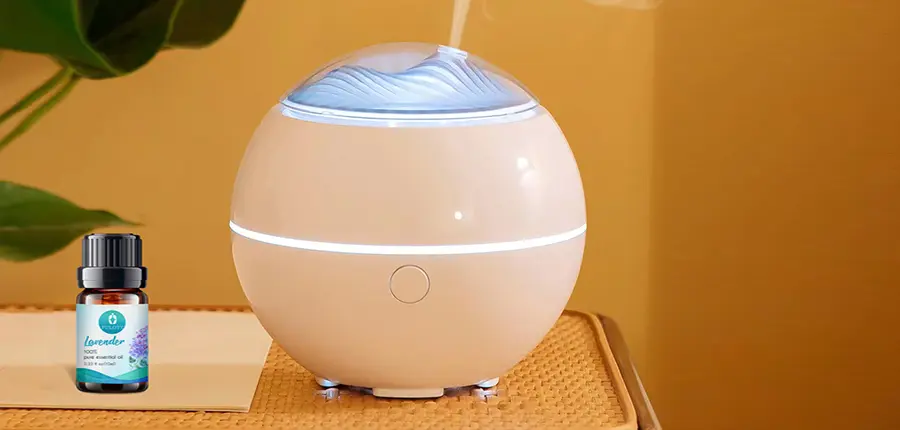
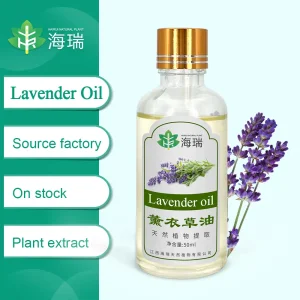
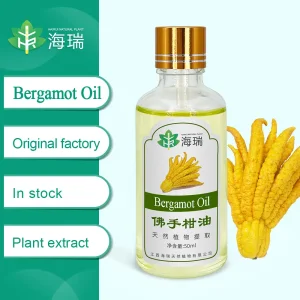
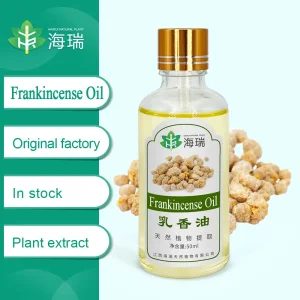
Pure lavender, bergamot, and frankincense oils target the limbic system to regulate hormones, reduce stress, and improve air hygiene.
The biological efficacy of phytogenic feed additives is highly dependent on localized management and environmental stressors. Formulations must be customized to address regional farming conditions:
For enterprise procurement teams, regulatory compliance is non-negotiable. Using uncertified or poorly documented feed additives can lead to rejected shipments, legal liability, and brand damage.
Jiangxi Hairui Natural Plant Co., Ltd. maintains a transparent compliance framework. We ensure that our extraction processes, raw materials, and facility sanitation meet international import criteria. Our certifications validate our dedication to clean, sustainable, and traceable manufacturing practices:
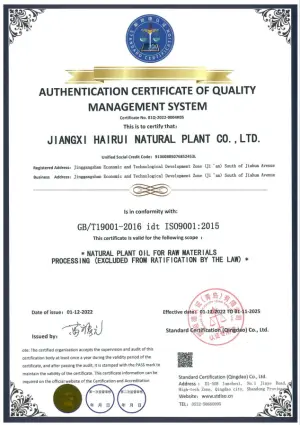
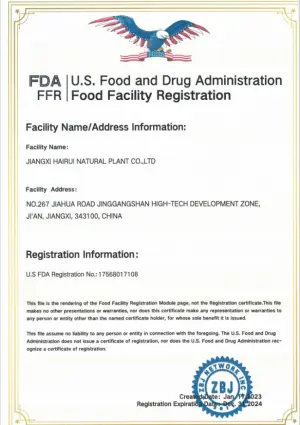
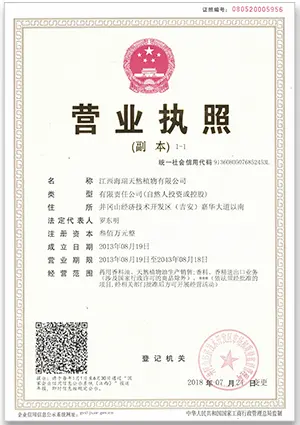
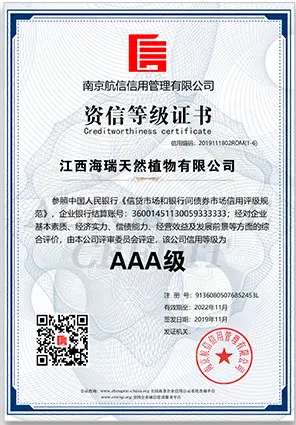
Our strict adherence to ISO 9001, Kosher, Halal, and FDA guidelines provides global buyers with the assurance that our plant oils are free from chemical solvents, heavy metals, plasticizers, and synthetic adulterants. From crop harvesting to container loading, each step is fully documented, establishing a reliable, audit-ready supply chain.
Targeted phytochemical compounds for agricultural and food processing industries
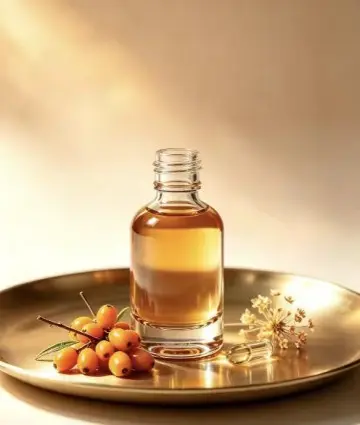
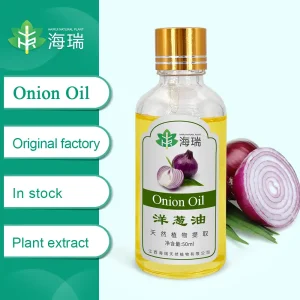
Appearance: Light Yellow Liquid. Rich in omega fatty acids, flavonoids, and carotenoids. Ideal for immune-boosting feed formulations.
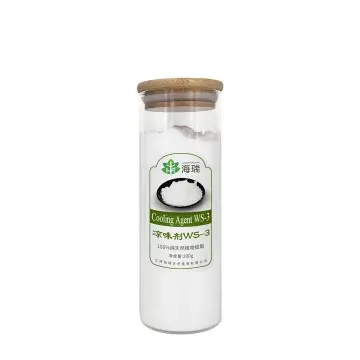
Appearance: White Powder. Active content: 99% (CAS 39711-79-0). Provides long-lasting cooling effects to alleviate heat stress.
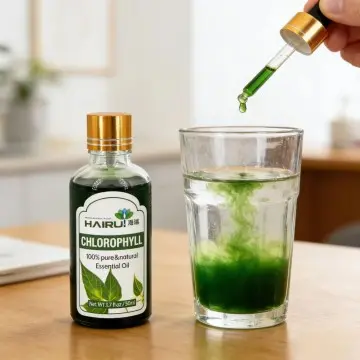
Appearance: Dark Green Liquid. Natural plant extraction. Excellent antioxidant and anti-inflammatory properties for water-delivered poultry support.
Direct technical answers addressing feed engineering, stability, and formulation science
A1: Plant essential oils do not act as direct copycats of chemical antibiotics. Instead, they work through a combination of actions. The active volatile compounds (like carvacrol, cinnamaldehyde, and thymol) disrupt the cell membranes of pathogenic bacteria like E. coli and Salmonella, causing cellular leakage. Simultaneously, they stimulate the secretion of endogenous digestive enzymes (amylase, protease, and lipase), improve the structure of the gut villi, and modulate the gut microbiota to support beneficial lactic acid bacteria.
A2: We manage consistency in three ways: first, by cultivating raw plants on our own 5,000+ acre base with standardized agricultural practices; second, by using GC-MS and HPLC testing to confirm active compound profiles for every extraction run; and third, by standardized blending. This process ensures that batches meet guaranteed levels of active components (such as carvacrol, cineole, or cinnamaldehyde), regardless of seasonal fluctuations.
A3: Raw plant essential oils are volatile and begin to degrade or evaporate at temperatures above 60°C. For feed mills operating pelletizers at 85°C–90°C, we provide microencapsulated formulations. This technology coats the essential oils in a protective matrix (often using food-grade lipids or silica carriers), ensuring that over 85% of the active compound remains stable through heat conditioning and extrusion.
A4: Yes. Phytogenic compounds work well alongside organic acids (like formic, propionic, and citric acids), creating a synergistic effect that lowers stomach pH while targeting pathogens. When formulated with inorganic mineral premixes, we recommend using stabilized carrier oils to prevent early oxidation of volatile compounds.
A5: We maintain ISO 9001 quality system certification, Kosher, Halal, and FDA registration. This compliance framework ensures our products meet international standards for chemical residue levels, identity preservation, and supply chain traceability.
A6: During hot periods, animals eat less, which can compromise gut barrier health and cause inflammation. Essential oils like peppermint contain menthol, which triggers cold receptors and helps sustain normal feed intake. Additionally, their antioxidant properties help mitigate tissue damage caused by elevated body temperatures.
A7: Kept in original, tightly sealed packaging in a cool, dry, and dark warehouse, our pure essential oils have a shelf life of 24 months. For extended storage or premix compatibility, we recommend adding food-grade antioxidants (like tocopherols) or using microencapsulation.
A8: No. Natural phytogenic constituents are readily metabolized and excreted by the animal's liver and kidneys. Unlike traditional chemical antibiotics, they do not bioaccumulate in tissues, ensuring residue-free meat, milk, and eggs without withdrawal period requirements.
Premium raw materials and essential oil blends for global distribution