1 / 1

Rosemary is one of the earliest plants used in medicine and is a common herb in kitchens and religious ceremonies. Ancient Greek peasants, unable to afford incense, burned rosemary, calling it the "incense bush." In Egypt and Greco-Roman times, rosemary was believed to represent hope in life and tranquility in death, and to have a demon-repelling effect. Therefore, offering rosemary to a loved one represented loving care. During influenza outbreaks in Europe, rosemary was often burned in hospitals for sterilization. Women of color also often used rose, lemon balm, rosemary, and bergamot in rejuvenating face washes, as rosemary also possesses excellent antiseptic properties.
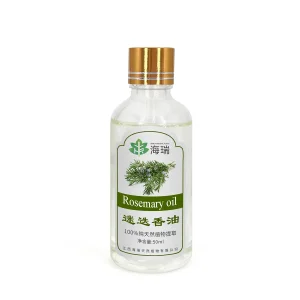
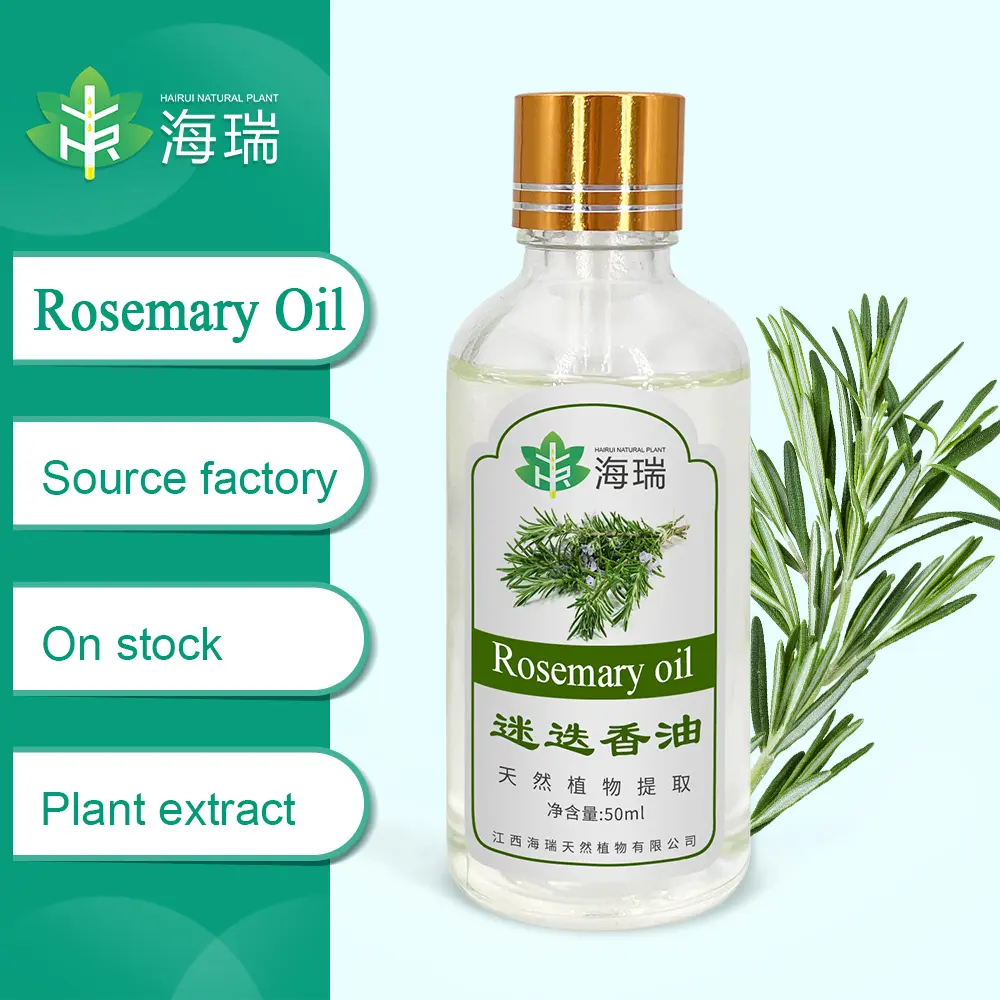
Rosemary oil, an essential oil extracted from the rosemary plant, has numerous traditional and modern applications. Its main benefits include promoting hair growth, improving cognitive function, providing antibacterial and anti-inflammatory properties, relieving muscle pain, providing antioxidant benefits, and soothing mood. Its active ingredients, such as rosmarinic acid and eucalyptol, provide scientific evidence for these effects.
Rosemary oil stimulates blood circulation to hair follicles, enhancing hair follicle cell activity, and improving hair loss or thinning hair.
Studies have shown that its components may inhibit the production of DHT (dihydrotestosterone), which contributes to hair loss. When applying to the scalp, dilute the oil before use and avoid direct contact with undiluted essential oil.
The scent and components of rosemary, such as 1,8-cineole, have been shown to enhance cognitive function. Inhaling its aroma may improve short-term memory and attention by regulating neurotransmitters such as acetylcholine.
Some studies have shown that students and those requiring focused attention experience improved information processing speed.
Historically, rosemary was highly valued, representing hope in life and tranquility in death during Egypt and Greco-Roman times. It was burned for sterilization during European influenza outbreaks and used in kitchens, religious ceremonies, and traditional rejuvenating face washes due to its antiseptic qualities.
The primary active ingredients in rosemary essential oil include rosmarinic acid, eucalyptol, and 1,8-cineole. These components provide scientific evidence for its antibacterial, anti-inflammatory, cognitive-enhancing, and antioxidant properties.
Rosemary oil stimulates blood circulation to the hair follicles and enhances hair follicle cell activity, helping to improve hair thinning or loss. Additionally, it may inhibit the production of DHT (dihydrotestosterone), which is linked to hair loss.
No, you should avoid direct contact with undiluted essential oil. Always dilute rosemary essential oil with a suitable carrier oil before applying it to your scalp.
Inhaling the scent of rosemary oil can regulate neurotransmitters like acetylcholine, which improve cognitive function, short-term memory, attention, and general information processing speed.