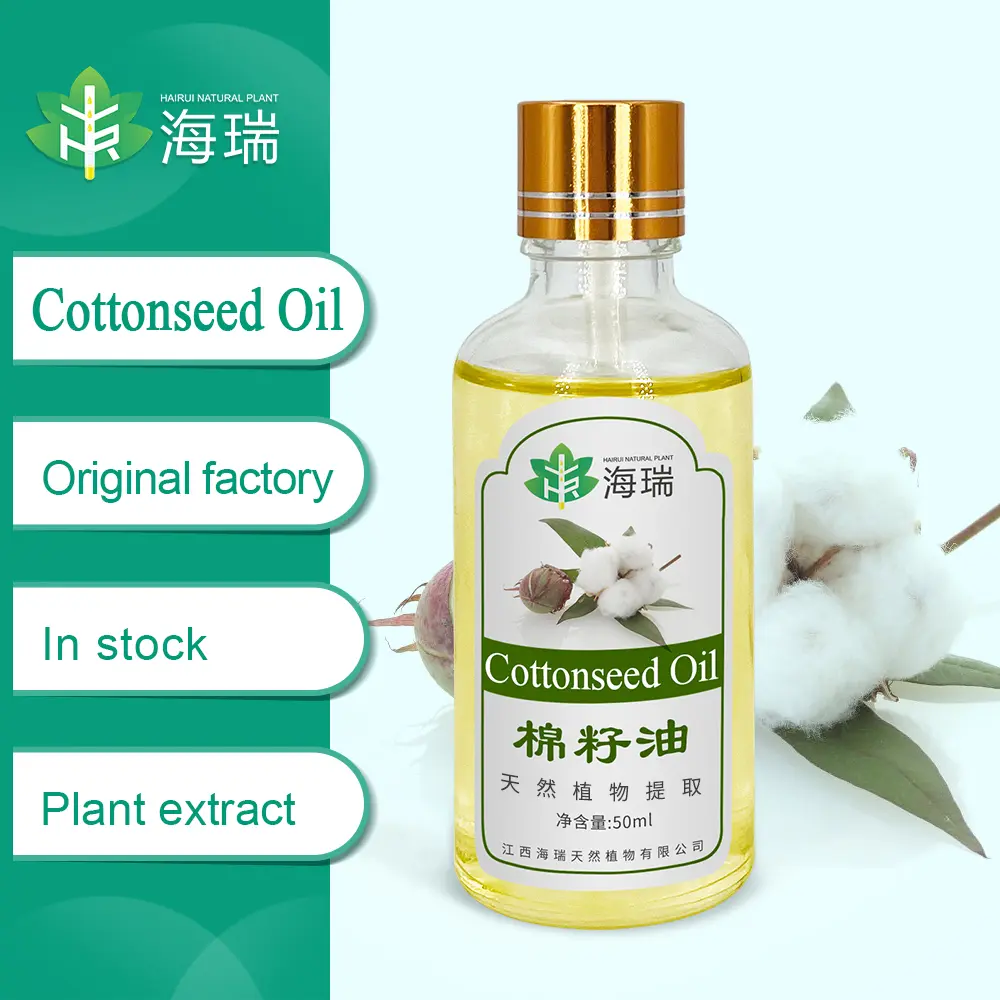


Cottonseed oil is a vegetable oil extracted from cottonseeds. China is the world's largest cottonseed oil producer. Depending on the processing method and degree of refining, it can be divided into refined and crude cottonseed oils. Refined cottonseed oil is typically orange-yellow or brown in color and contains fatty acids such as palmitic acid, stearic acid, oleic acid, and linoleic acid, as well as nutrients such as vitamin E, sterols, and phospholipids.
Usage of Cottonseed Oil
Edible
It can be used in a variety of cooking methods, including frying, stir-frying, and deep-frying. However, due to its low smoke point, it easily produces fumes and harmful substances when heated, making it unsuitable for high-temperature, prolonged cooking. It can also be used to make salad oil, margarine, or shortening.
Medicinal
In the pharmaceutical field, cottonseed oil is often used as an oil carrier and can be taken orally as a mild laxative. It can also be used as a solvent for intramuscular injections, intravenous emulsions, and as an adjuvant for cholecystography.
Industrial
It can be used in soaps, lubricants, paints, varnishes, fatty acids, cosmetics, and waterproofing products.
Benefits of Cottonseed Oil
Nutritional Benefits
Cottonseed oil contains unsaturated fatty acids, particularly linoleic acid, which is absorbed by the human body at a rate of approximately 98%, providing energy and essential fatty acids.
Cardiovascular Health Benefits
It helps lower LDL cholesterol levels, increase HDL cholesterol levels, inhibit the rise of blood cholesterol, and prevent cardiovascular disease.
Antioxidant & Anti-inflammatory
Antioxidants such as vitamin E neutralize free radicals, protecting cells from oxidative damage. Certain components can also inhibit the release of inflammatory mediators, alleviating symptoms such as tissue redness and swelling.
Skin Health Benefits
Linolenic acid in cottonseed oil can strengthen the skin barrier function and inhibit melanin production to a certain extent, resulting in a skin-whitening effect.
Contraindications & Safety
Allergy Contraindications: People allergic to cottonseed oil should avoid consumption, as it may cause allergic reactions such as itching, shortness of breath, dizziness, and nausea.
Reproductive Health: Cottonseed oil contains a small amount of gossypol. Long-term or excessive intake may interfere with male reproductive function and affect sperm production and quality. Men should exercise caution when consuming cottonseed oil.
People with Specific Medical Conditions: People with high cholesterol or cardiovascular disease should reduce their cottonseed oil intake, as its saturated fatty acids may aggravate their conditions. Pregnant women and children should also avoid excessive consumption to prevent the potential effects of cottonseed oil on their developing bodies.
Frequently Asked Questions (FAQ)
What is cottonseed oil and what does it contain?
Cottonseed oil is a vegetable oil extracted from cottonseeds. It contains fatty acids such as palmitic acid, stearic acid, oleic acid, and linoleic acid, alongside nutrients like vitamin E, sterols, and phospholipids.
Is cottonseed oil suitable for high-temperature cooking?
No. Due to its low smoke point, cottonseed oil easily produces fumes and harmful substances when heated, which makes it unsuitable for high-temperature, prolonged cooking.
How does cottonseed oil benefit cardiovascular health?
It helps lower LDL cholesterol levels, increase HDL cholesterol levels, and inhibit the rise of blood cholesterol, thereby preventing cardiovascular disease.
Why should men exercise caution when consuming cottonseed oil?
Cottonseed oil contains a small amount of gossypol. Long-term or excessive intake of gossypol may interfere with male reproductive function and affect sperm production and quality.
Are there any skin health benefits associated with cottonseed oil?
Yes, the linolenic acid in cottonseed oil can strengthen the skin barrier function and inhibit melanin production to a certain extent, providing a skin-whitening effect.