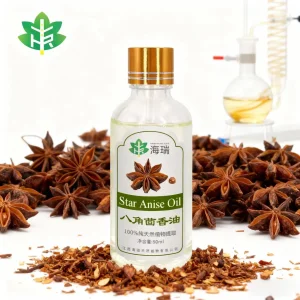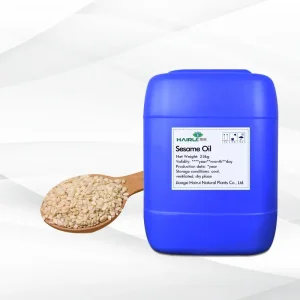

Citral (3,7-dimethyl-2,6-octadienal), featuring the chemical formula C10H16O, stands as an irreplaceable key aroma chemical and active agent within the modern daily chemical, cosmetics, and household care industries. Possessing an intense, refreshing lemon-peel accord with herbaceous undertones, Citral is naturally occurring as a mixture of two geometric isomers: geranial (citral A, trans-isomer) and neral (citral B, cis-isomer). As global regulations steer formulations toward cleaner, biodegradable profiles, the sourcing landscape for Citral has transformed from simple commodity transactional models into a highly technical paradigm focused on purity stabilization, synthetic vs. natural traceability, and allergen mitigation.
For strategic procurement directors at multinational consumer product manufacturers, sourcing Citral presents unique technical hurdles. As a highly reactive conjugated unsaturated aldehyde, Citral is susceptible to oxidation, thermal degradation, and polymerization when exposed to air, light, and alkaline pH settings common to daily chemical processes like soap saponification. Consequently, working directly with established manufacturers capable of offering specialized grades—stabilized with food-safe antioxidants like Tocopherol or BHT—is paramount. Choosing the right manufacturer ensures batch-to-batch consistency, minimizing the risk of off-note development, product discoloration, and formulation failure in high-value premium lines.
The global daily chemical market draws from two distinct technological pathways to fulfill its Citral requirements. Understanding these routes is essential for regulatory compliance, sustainability claims, and technical alignment.
| Technical Parameter | Natural Extraction Pathway | Synthetic Chemical Pathway |
|---|---|---|
| Primary Raw Material | Steam-distilled oil of Litsea cubeba, Lemongrass, or Lemon Myrtle. | Isobutene and Formaldehyde, or Dehydrolinalool via Pinene precursors. |
| Purity (GC-FID) | Typically ranges from 90% to 96% depending on the source botanical. | 98.5% to 99.5% high-purity refined grades. |
| Carbon Footprint | Lower fossil-fuel reliance; depends heavily on agricultural practices. | Petrochemical-based, though offset by optimized catalytic efficiency. |
| Isomeric Ratio | Geranial/Neral ratio naturally balances at roughly 1.2:1 to 1.5:1. | Can be structurally adjusted and controlled during synthesis. |
| Regulatory Class | Natural Isolate (suitable for COSMOS/Ecocert formulations). | Synthetic Aroma Chemical (cost-effective for mass-market soaps/detergents). |
Natural Citral Extraction: Primarily sourced from the essential oil of Litsea cubeba (native to East Asia), natural extraction relies on fractional vacuum distillation to separate the aldehyde fraction from terpenes (such as limonene). This process yields a complex sensory profile that includes trace natural components. These natural co-constituents often impart a rounder, softer olfactory note compared to synthetic alternatives. This rounder profile is highly valued by fine perfumery houses and natural cosmetics brands seeking Ecocert certification.
Synthetic Chemical Synthesis: Mass-market laundry detergents and household cleaners rely on synthetic pathways. Synthetic manufacturing processes, such as the condensation of isobutene with formaldehyde, allow for consistent scale, stable pricing structures, and high purity levels. However, synthetic Citral lacks the organic certifications required for green-label cosmetics. It also requires careful purification to remove traces of petrochemical catalysts or process solvents.
Essential oils and active aroma chemicals like Citral are key components in modern industrial formulations. Successfully integrating them requires matching the chemical grade to the target application's unique requirements.

Natural botanical extracts like sweet orange oil act as highly effective bio-adjuvants. They enhance crop leaf respiration, stimulate photosynthesis, and provide broad-spectrum protection against common crop diseases and pests with zero chemical residues.
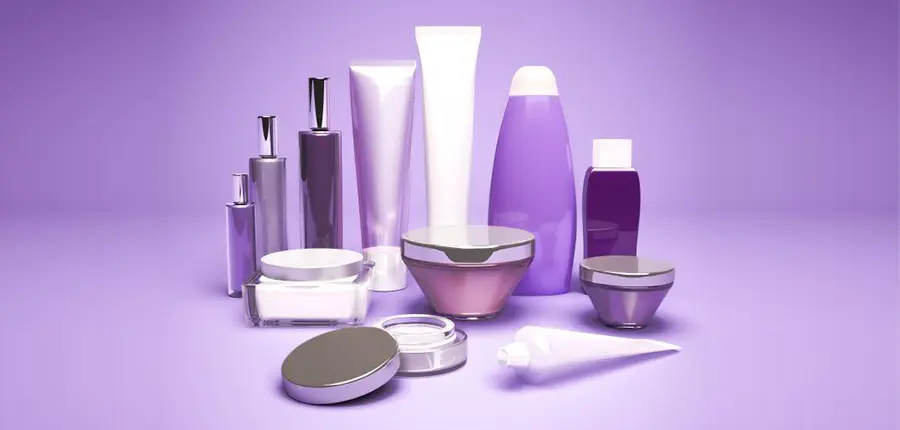
Used extensively in hair care products, creams, and body lotions. For instance, cold-pressed castor oil promotes hair shaft growth, moisturizes scalp tissue, and prevents infections, while Citral provides fresh citrus notes and natural antimicrobial activity.
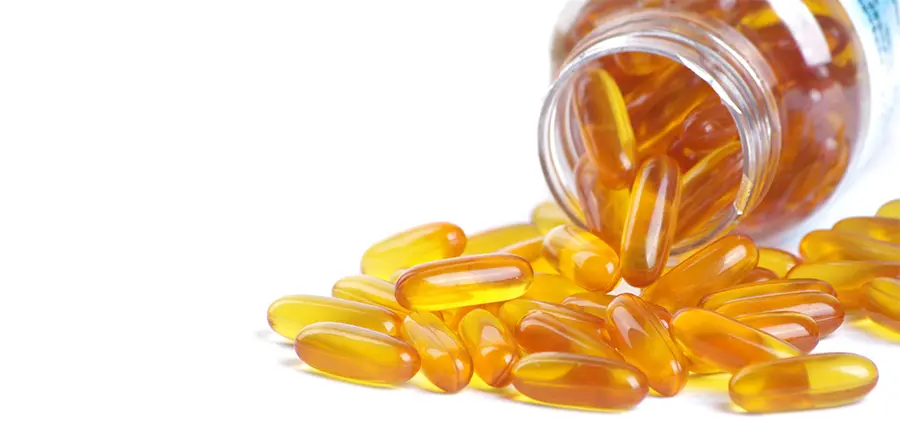
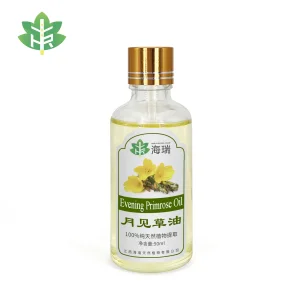
Bio-active oils such as Evening Primrose Oil, rich in gamma-linolenic acid (GLA) and linoleic acid (LA), are manufactured into dietary capsules. These supplements help manage cardiovascular wellness, premenstrual syndrome, and menopausal symptoms.
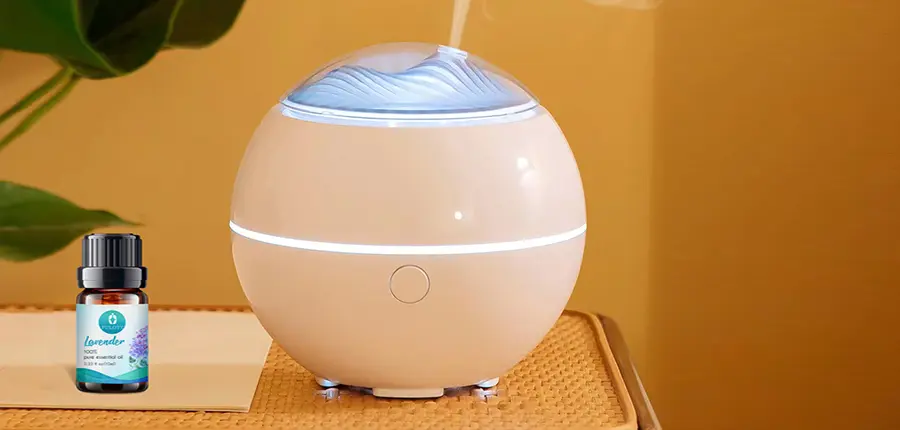
Leveraging olfactory pathways directly linked to the brain's limbic system, high-purity natural essential oils help regulate emotions, reduce stress, and promote healthy sleep patterns when dispersed through professional diffusers or oil burners.
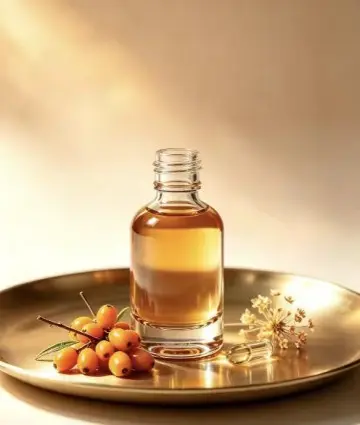
Product name: Sea buckthorn oil
Appearance: Light Yellow Liquid
Odour: Rich, sweet and sour berry aroma.
Rich in vitamins, carotenoids, and essential fatty acids for skin repair formulations.
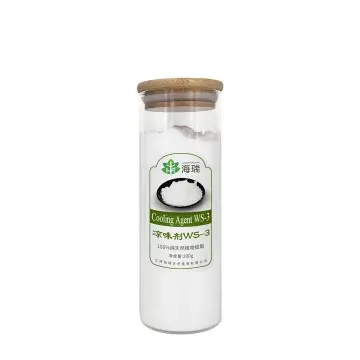
Product name: WS-3
Appearance: White crystalline powder
Odour: Clean cooling taste profile
Purity: ≥ 99% (CAS NO: 39711-79-0). Ideal for toothpaste, cosmetics, and oral care.
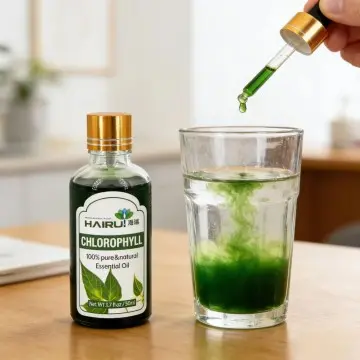
Product name: Chlorophyll
Appearance: Dark green liquid/powder
Odour: Fresh, leafy, botanical profile.
Perfect for clean-label color standardization in organic soaps and lotions.
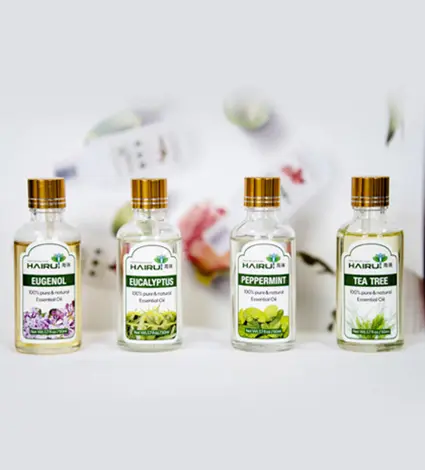
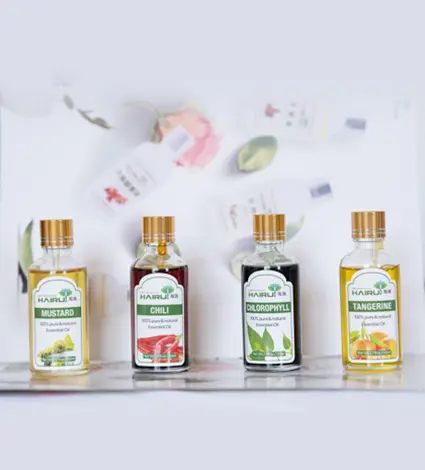
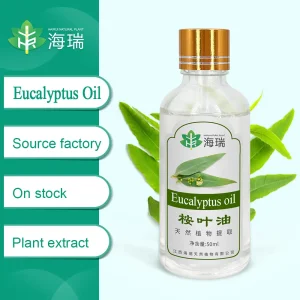
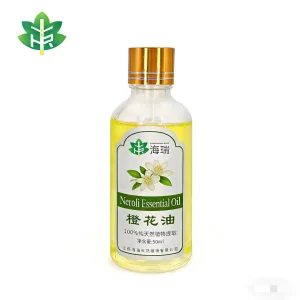
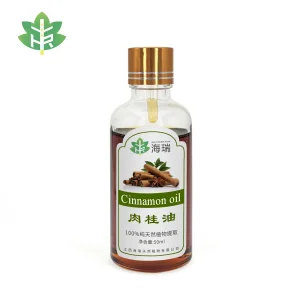
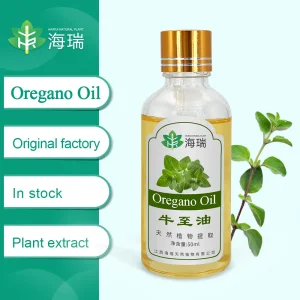
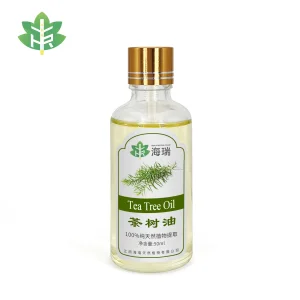
Our essential oils are extracted using steam distillation and cold-pressing techniques. Key offerings include camellia, eucalyptus, oregano, and peppermint oil. We enforce rigorous quality controls to ensure premium raw materials for cosmetics, food, and pharmaceuticals.
See More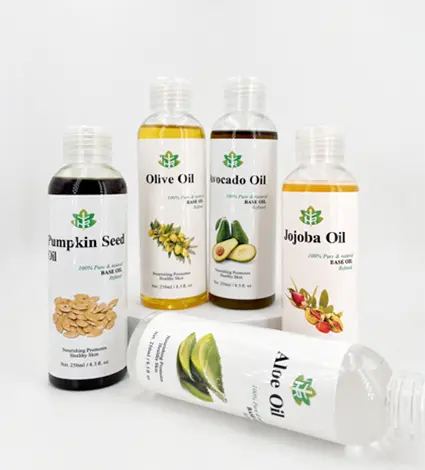
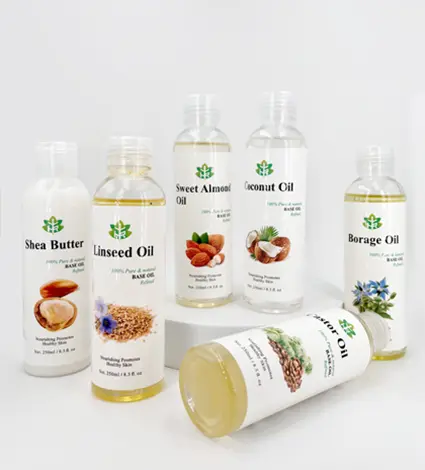
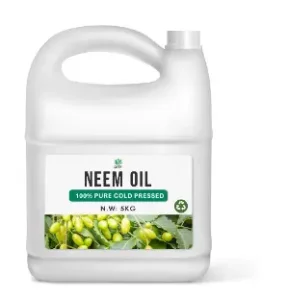
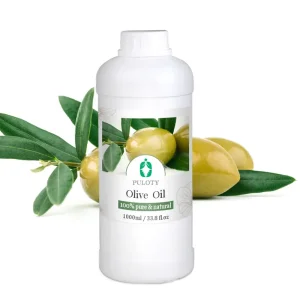
Cold-pressed carrier oils serve as the ideal base to dilute active botanical compounds. Many of our vegetable oils offer inherent moisturizing properties, making them essential ingredients for skin-contact cosmetics, massage oils, and therapeutic salves.
See More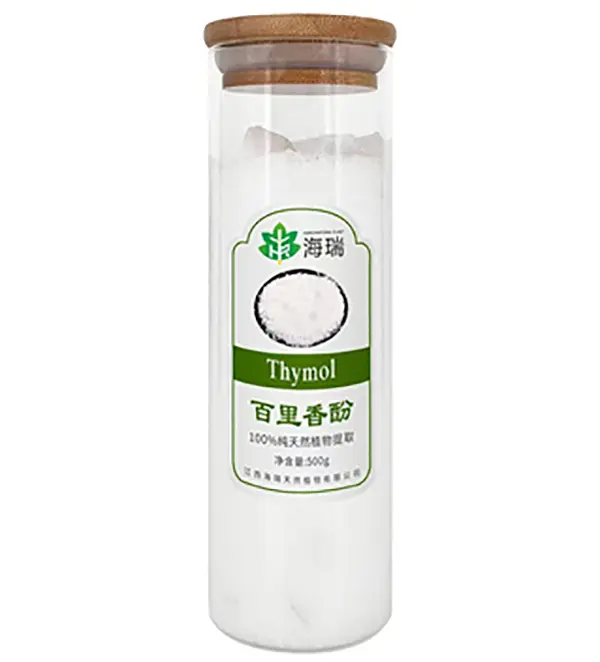
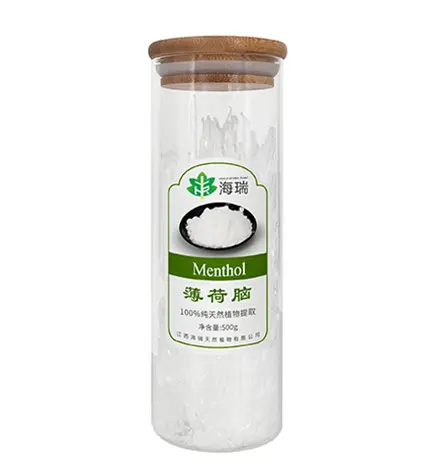
We separate active botanical compounds using advanced cold crystallization and solvent extraction processes. These high-purity active ingredients are sourced directly from our own 5,000+ acre cultivation base to ensure long-term supply stability.
See More
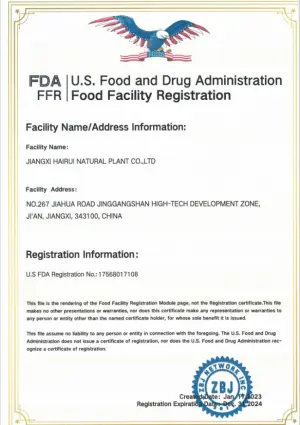
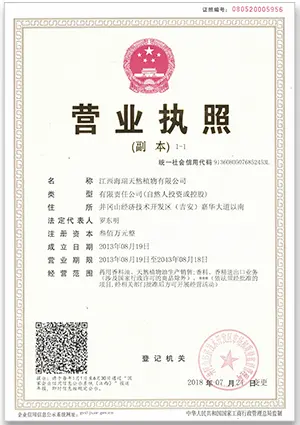
Founded in 2006, Jiangxi Hairui Natural Plant Co., Ltd. is a high-tech enterprise specializing in the production and sales of natural plant essential oils. We are located in the Jinggang Mountain High-Tech Development Zone, Ji'an, Jiangxi Province. This location is renowned for its abundant botanical resources, allowing us to source premium raw materials directly.
With a total investment of RMB 50 million, our 13,000-square-meter facility features advanced extraction lines and state-of-the-art testing equipment. This infrastructure enables us to maintain a production capacity of 2,000 tons of natural essential oils and active chemical isolates annually.

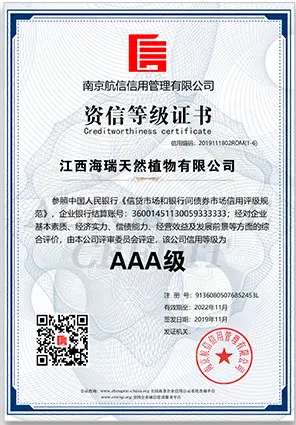
We deliver natural, safe, and scientifically backed active ingredients. Every batch undergoes strict quality control testing to ensure it meets international standards.

We continually invest in our R&D and QA laboratories, which are equipped with GC-MS and HPLC analytical systems to guarantee product purity and composition stability.

We implement a strict 9-step quality assurance program from raw material sourcing to dispatch, supported by responsive customer service and flexible logistics solutions.


Because Citral is highly sensitive to environmental factors, maintaining chemical stability during shipping and storage is critical. Our quality management system utilizes advanced testing instruments, including Gas Chromatography-Mass Spectrometry (GC-MS) and Refractive Index (RI) detectors, to confirm composition and monitor potential degradation markers in every batch.
To prevent oxidation, we store and ship our Citral under a nitrogen blanket in epoxy-coated steel drums. We can also add stabilizers like Tocopherol (Vitamin E) or BHT at customer-specified ratios. This preserves the freshness of the lemon-like aroma and prevents the formation of oxidation products, such as citral epoxide, which are known skin sensitizers.
Citral is an alpha,beta-unsaturated aldehyde. It is highly reactive and susceptible to oxidation and aldol condensation, particularly in alkaline environments like soaps. This reactivity can lead to yellow or brown discoloration. To prevent this, formulators should use stabilizers, incorporate antioxidants, and maintain a slightly acidic to neutral pH where possible.
The International Fragrance Association (IFRA) restricts the use of Citral because it is a potential skin sensitizer. Our natural Citral complies with the latest IFRA amendments. We provide customers with detailed certificate analyses showing the precise concentrations of Geranial and Neral, helping formulators calculate correct dilution levels for safety compliance.
Yes. Natural Citral contains trace amounts of co-occurring botanical terpenes, which creates a softer, more rounded olfactory profile. Synthetic Citral, while cost-effective and highly consistent, has a sharper sensory profile. The choice depends on your target market, budget, and organic label requirements.
We ship our product in epoxy-lined steel drums (180kg to 200kg) or specialized IBC containers. Every container is purged with nitrogen before sealing to prevent oxidation. We recommend storing the drums in a cool, well-ventilated warehouse away from direct sunlight and heat sources.