1 / 1

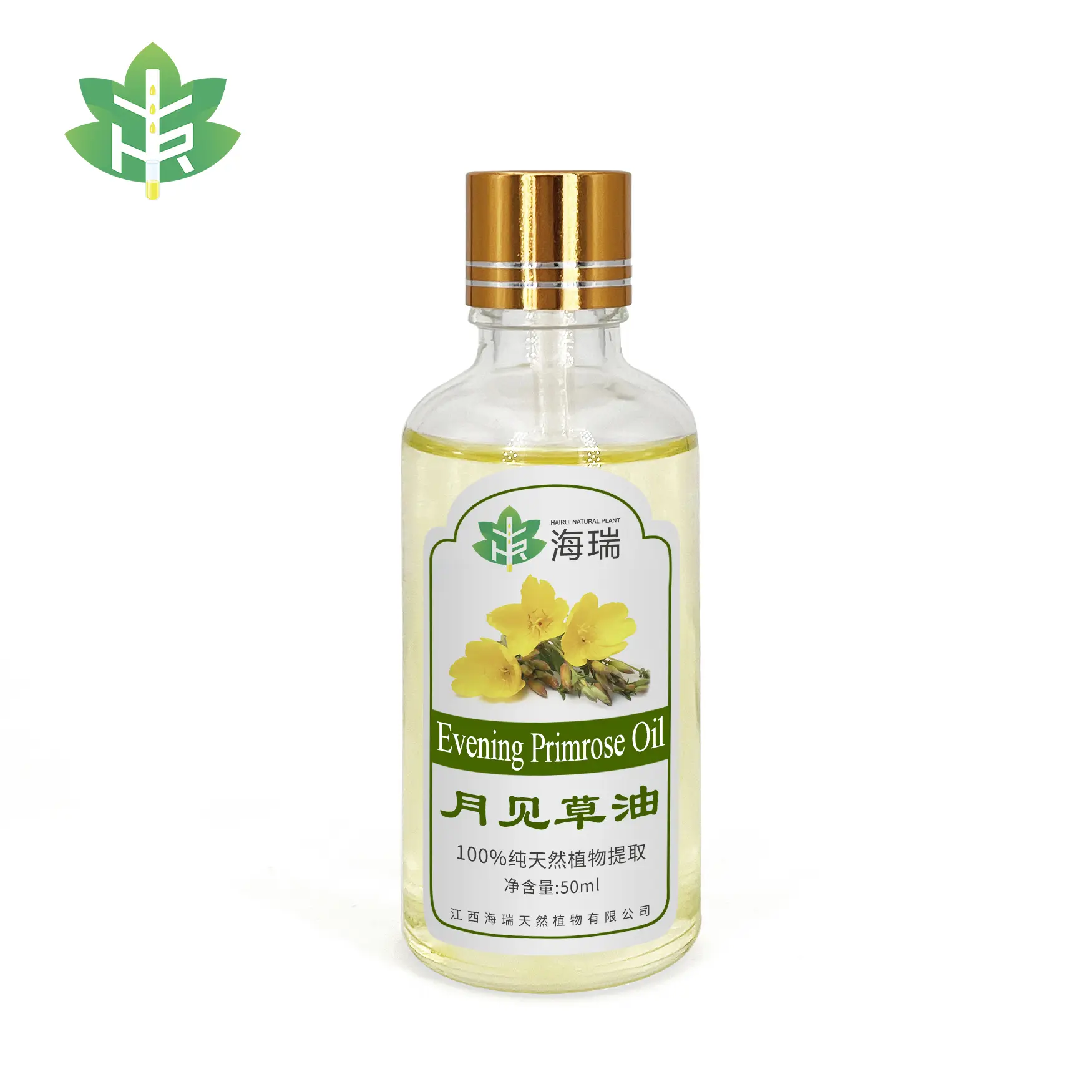
Evening primrose oil is extracted from the seeds of the evening primrose plant (Oenothera biennis). It is a pale yellow to light amber-colored oil characterized by a distinct, natural odor.
It is rich in various nutrients, especially gamma-linolenic acid (GLA), which is an essential fatty acid. Besides GLA, it also contains linoleic acid, oleic acid, and other beneficial fatty acids, as well as essential vitamins such as vitamin E.
Helps maintain skin moisture, improves overall skin elasticity, and reduces the appearance of wrinkles. It is widely valued in skincare products for its anti-aging and deep moisturizing properties.
May help relieve common symptoms associated with pre-menstrual syndrome (PMS), including mood swings, breast tenderness, and general abdominal discomfort.
The essential fatty acids in evening primrose oil can assist in lowering blood lipid levels, promoting healthy blood circulation, and reducing the risk of cardiovascular diseases.
Commonly available in the form of soft capsules. It can be taken orally as a regular dietary supplement to efficiently meet the body's daily requirements for essential fatty acids.
Widely utilized across the cosmetic and personal care industry, where it is added to premium creams, nourishing lotions, and targeted serums to enhance overall skin condition.
Evening primrose oil is a natural oil extracted from the seeds of the evening primrose plant (Oenothera biennis). It typically presents a pale yellow to light amber color and carries a characteristic scent.
It is highly rich in gamma-linolenic acid (GLA), which is an essential fatty acid. Additionally, it contains oleic acid, linoleic acid, other fatty acids, and antioxidant vitamins like vitamin E.
By lock in skin moisture and restoring elasticity, evening primrose oil effectively minimizes fine lines and wrinkles. Its anti-aging properties make it a popular ingredient in cosmetic creams and serums.
Yes, evening primrose oil is often used to alleviate common pre-menstrual syndrome (PMS) issues, including breast pain, abdominal cramping, and hormonal mood swings.
Some users may experience mild digestive issues such as nausea and diarrhea, or mild headaches. If you encounter any adverse reactions, stop taking the oil and consult a medical practitioner.
Pregnant and breastfeeding women, or individuals taking other medications, should always consult their doctor or healthcare provider prior to starting supplementation for safety reasons.