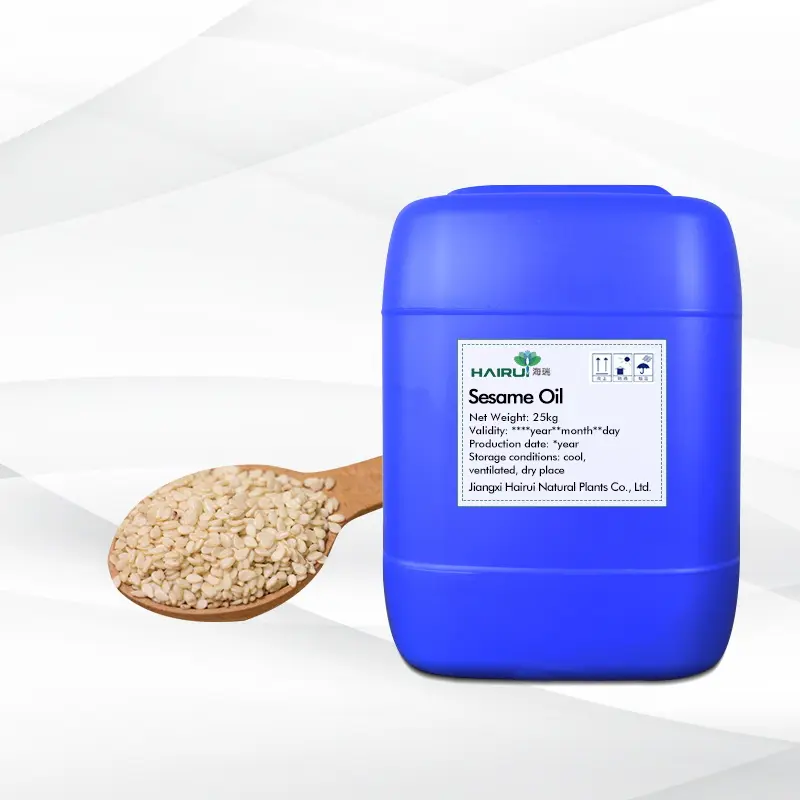

Sesame oil primarily contains carbohydrates, vitamin E, and various trace elements. Because the fatty acid ratio in sesame oil is close to that required by the human body, it is easily absorbed.
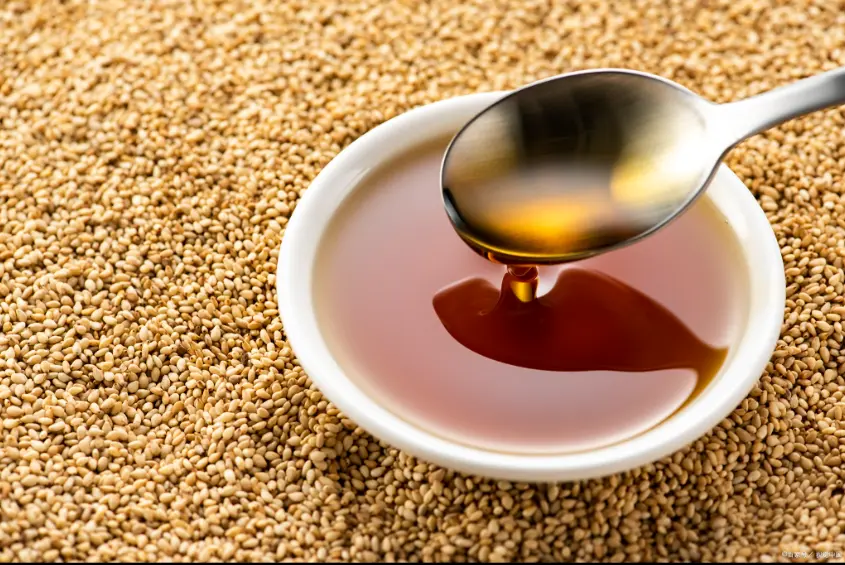
Sesame oil is a general term for both traditionally ground and machine-made sesame oil, meaning sesame oil with a rich or pronounced aroma. During processing, the unique components in sesame seeds are roasted at high temperatures, generating substances with a special aroma, giving sesame oil its distinctive fragrance, unlike other edible oils, hence the name "fragrant oil."
Sesame oil is simply oil extracted from sesame seeds, also called fragrant oil or sesame oil. Unlike soybean oil, walnut oil, or peanut oil, it cannot be used directly as cooking oil. Sesame oil is more commonly used as a condiment, and it's also essential for the preparation of some pastries.
Special Functions
Lowering Blood Pressure
Studies in China, the United States, Japan, and India show that long-term consumption of sesame oil can significantly reduce the incidence of hypertension and decrease the amount of medication that hypertensive patients need to take to lower their blood pressure.
Beauty Benefits
As people gain a deeper understanding of sesame oil and its functions are explored more thoroughly, its beauty benefits have become a highlight in the beauty industry, and sesame oil is increasingly favored by beauty enthusiasts.
Frequently Asked Questions
Q:
What are the primary nutrients found in sesame oil?
Sesame oil primarily contains carbohydrates, vitamin E, and various trace elements. Its fatty acid ratio is close to that required by the human body, making it highly bio-compatible and easy to absorb.
Q:
Why is sesame oil also referred to as "fragrant oil"?
During the manufacturing process, sesame seeds are roasted at high temperatures. This thermal treatment releases unique compounds that generate a strong, distinctive aroma that is not found in other common edible oils.
Q:
Can sesame oil be used for direct cooking like soybean or peanut oil?
No, unlike soybean oil, walnut oil, or peanut oil, sesame oil is typically not used directly as a primary cooking oil. It is instead utilized as a flavor-enhancing condiment or as a necessary ingredient in baking and pastry preparation.
Q:
How does sesame oil impact blood pressure levels?
Multiple global studies indicate that regular, long-term dietary consumption of sesame oil can significantly decrease the risk of developing hypertension and help reduce the medication dosage required by individuals currently treating high blood pressure.
Q:
Why is sesame oil popular in the beauty industry?
Due to its high concentration of vitamin E and unique nutritional properties, the beauty benefits of sesame oil have become a major highlight, making it a popular choice for beauty and skincare enthusiasts.