Direct supply from state-of-the-art plant extraction units, delivering unparalleled purity and compliance metrics.
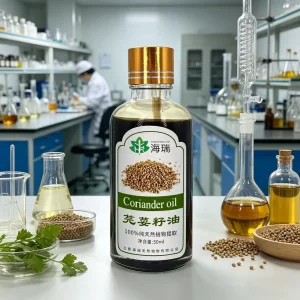
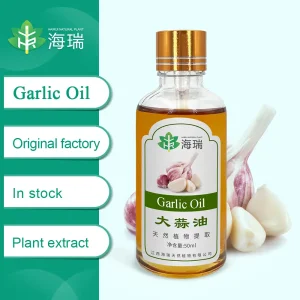
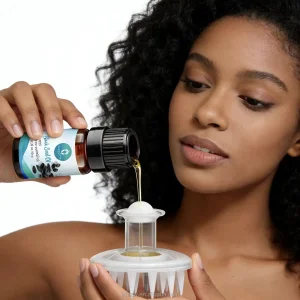
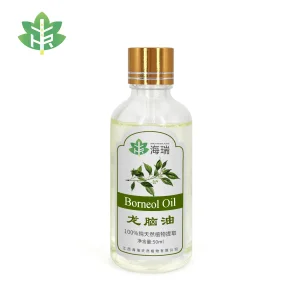
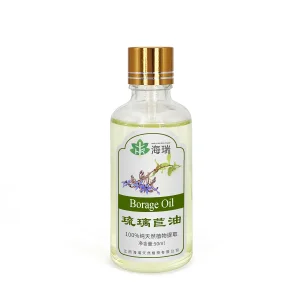

Deep-dive research on supply chain optimization, terpene extraction chemistry, and global compliance systems.
Camphor, a bicyclic monoterpene ketone, represents a critical cornerstone in modern natural chemistry and industrial synthesis. Originating historically from the steam distillation of the wood of the Cinnamomum camphora tree, contemporary industrial demand has bifurcated the market into natural camphor and synthetic camphor. Natural camphor yields high optical activity (d-camphor, [α]D +41° to +43°), making it highly coveted in pharmaceutical formulations, aromatherapy, and premium topical analgesics. Conversely, synthetic camphor (dl-camphor), derived from the catalytic isomerization of alpha-pinene (extracted from turpentine oil) via camphene and isobornyl acetate, dominates the chemical synthesis, polymer plasticizer, and safety-fuel industries due to its cost efficiency and standardizable parameters.
Procurement specialists in North America, Europe, and the Asia-Pacific region are navigating complex regulatory landscapes. European REACH regulations and the US FDA's monograph guidelines restrict impurity profiles, requiring exporters to provide comprehensive Gas Chromatography-Mass Spectrometry (GC-MS) validation and heavy metal analysis profiles (lead, arsenic, cadmium, and mercury must remain under parts-per-million limits). The shift toward green, bio-based cosmetics and plant-based therapeutics has accelerated the compound annual growth rate (CAGR) of natural camphor, creating supply chain challenges for raw material sourcing. Exporters must maintain strategic partnerships with sustainable forestry operations and certified chemical engineering centers to hedge against raw material price volatility.
As a highly volatile compound, camphor transport falls under strict international regulations (classified under UN 2717, Class 4.1, Flammable Solids). Exporters must employ heavy-gauge HDPE barrier packaging, multi-layer laminated foil bags, or robust steel drums lined with anti-static protection to mitigate sublimation and vapor build-up. Cross-border trade routes dictate climate-controlled containerized shipping (reefers) to preserve structural integrity, especially when traversing tropical trade lanes. Robust suppliers distinguish themselves by providing comprehensive documentation packages, including Material Safety Data Sheets (MSDS), Certificates of Analysis (COA) per batch, and phytosanitary certificates for natural varieties.
High-demand functional additives engineered for peak performance in health and food formulations.
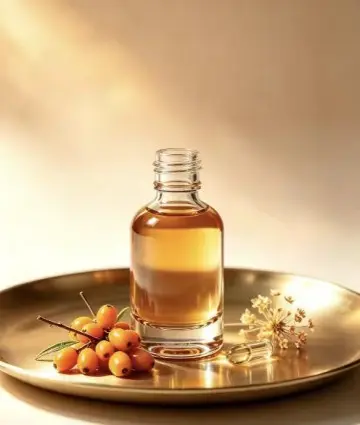
Appearance: Light Yellow Liquid. Odour: Rich, sweet and sour berry aroma. Rich in Omega-7 fatty acids and bioactive compounds for deep dermatological recovery and nutritional fortification.
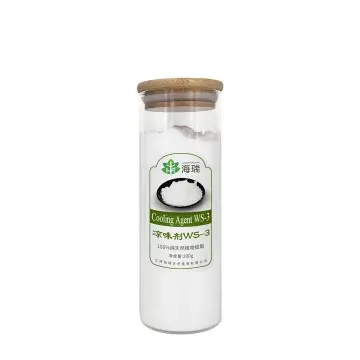
Active Raw MaterialAppearance: White powder. Odour: Cooling smell. Ingredient: 99%. CAS NO: 39711-79-0. Designed for physiological cooling sensation without flavor distortion in oral care, confectionery, and topical cosmetics.
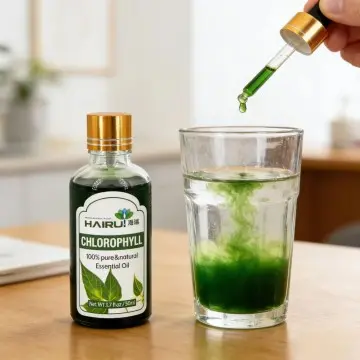
Food Grade AdditiveAppearance: Dark green. Odour: Neutral. Naturally derived pigment stabilizing matrix optimized for functional food coloring and antioxidant supplement lines.
Natural Pigment ConcentrateMerging industrial IoT, real-time GC-MS feedback loops, and green chemical engineering practices.
Our fractionated distillation towers operate via Distributed Control Systems (DCS), ensuring precise thermodynamic separation of alpha-pinene derivatives and natural volatile fractions. This eliminates human error and guarantees batch-to-batch consistency.
Every single cargo container is assigned a unique QR code linked directly to our internal LIMS (Laboratory Information Management System). Clients can instantly download GC-MS scans, heavy metal reports, and optical rotation data.
We actively utilize biomass boilers fueled by recycled agricultural forestry waste, cutting down natural gas reliance. Our target is to reduce absolute emissions by 35% across all natural oil refining processes by 2028.
Three specialized pillars of extraction delivering therapeutic, cosmetic, and functional botanical compounds.
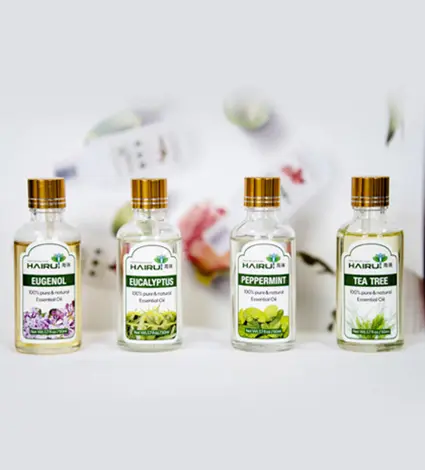
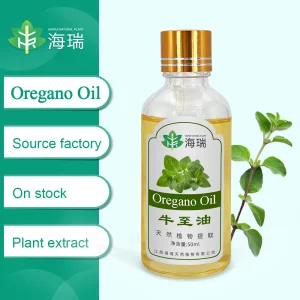
Typically extracted using high-precision steam distillation or mechanical cold-compression systems. The botanical raw materials chosen for essential oils represent a primary category of our modern production line. We specialize in high-yield camellia oil, premium eucalyptus oil, high-carvacrol oregano oil, and intense peppermint oils.
Hairui Natural Plant enforces rigid checks on wild and cultivated raw materials. Our in-house agricultural consultants monitor soil conditions, pesticide-free cultivation, and optimal harvesting windows. This strict surveillance maximizes volatile terpene recovery during processing.
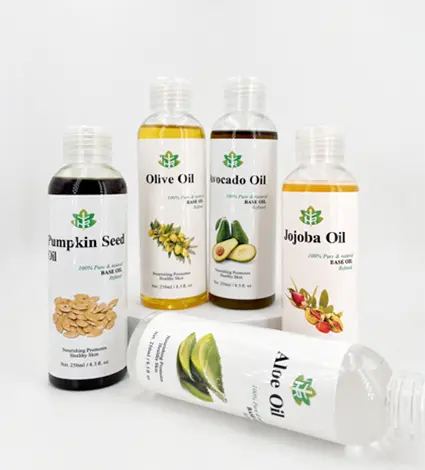
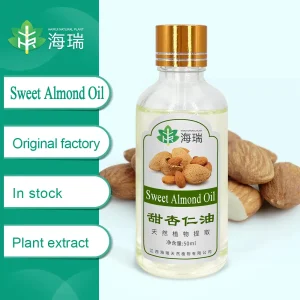
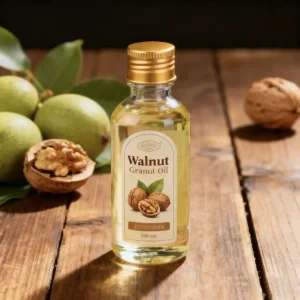
Carrier oils act as structural diluents for hyper-concentrated botanical essential oils. Because single volatile oils can trigger dermal irritation when applied directly, carrier oils (cold-pressed seed oils, nut oils, and botanical lipids) are crucial for skincare formulations, cosmetics, and massage bases.
Our extraction facility preserves natural lipid complexes, tocopherols, and essential fatty acids. Cold-press techniques avoid thermal degradation, maintaining the intrinsic therapeutic properties of the oils.
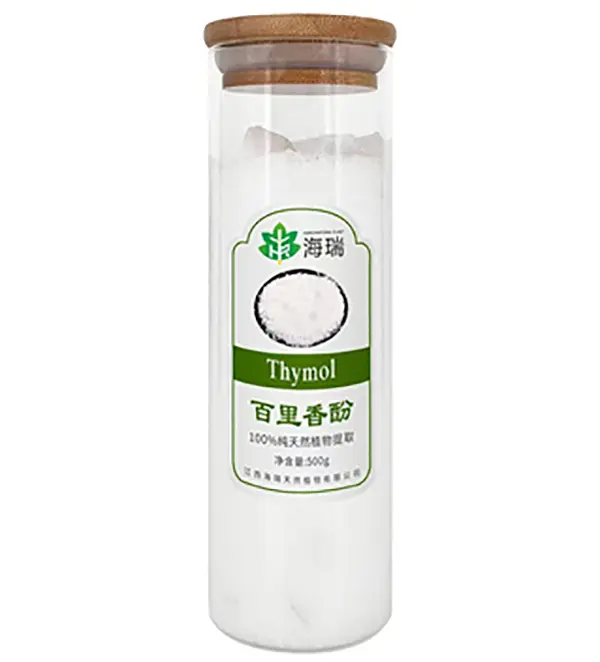
These solid crystalline compounds and concentrated extracts are separated from volatile plant oils via industrial fractional freezing and crystallization processes. Purity is controlled through precise control of critical temperature gradients.
By cultivating raw materials across a self-owned agricultural tract exceeding 5,000 acres, we exercise full authority over seed viability, plant health, and pesticide control. This vertically integrated system minimizes heavy-metal and pesticide risks at the extraction stage.
A panoramic visual tour of our modern engineering plant, showcasing extraction capabilities and standard operating procedures.

Founded in 2006, Jiangxi Hairui Natural Plant Co., Ltd. is a major high-technology enterprise specializing in the production, purification, and trade of natural plant essential oils and crystallized terpene compounds.
Our industrial park is strategically situated within the Jinggang Mountain High-Tech Development Zone in Ji'an, Jiangxi. Renowned for its unique geological microclimate, this region yields a rich variety of natural botanical species. Backed by a capital investment of RMB 50 million, our facility spans 13,000 square meters. It is outfitted with advanced gas chromatography, mass spectrometers, polarimeters, and automated distillation columns. We maintain an annual capacity of 2,000 metric tons of essential oils and derivatives.
Our commitment to rigorous quality control, regulatory compliance, and optimization of supply chain logistics.

We provide pure, safe, and active botanical substances. Every shipment undergoes internal laboratory validations and third-party analysis checking for heavy metals, moisture, and chemical residue.

We commit resources to testing facility upgrades and technology development. This continuous process refinement enables us to sustain peak production efficiency and keep our product offerings highly competitive.

From the selection of raw crop seeds to international logistics, our 9-step quality assurance program manages safety and compliance. We provide rapid technical support to minimize procurement delays.
Providing custom botanical solutions and specialized volatile fractions designed for a variety of industrial applications.

Organic farming systems require reliable, residue-free crop protection agents. For instance, cold-extracted sweet orange oil (rich in d-limonene) serves as an effective natural insecticide, herbicide, and fungicide. Unlike synthetic chemical applications, orange oil poses no persistent environmental toxicity risk.
It stimulates natural plant defense responses, aids leaf photosynthesis, and degrades cleanly into natural organic elements. Our camphor and terpene derivatives are widely utilized in natural insecticidal formulations, crop-safe repellents, and organic botanical crop protectants.

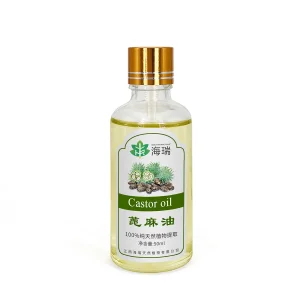
Modern cosmetics prioritize botanical formulations over synthetic ingredients. Cold-pressed castor oil, for instance, contains high levels of ricinoleic acid, which helps nourish the scalp, support hair vitality, and maintain skin moisture balance. It is also used as a natural antibacterial component for sensitive skin products.
Camphor crystals are integrated into cooling cosmetics, foot creams, and lip balms, where they provide mild anesthetic benefits and help reduce redness and irritation.
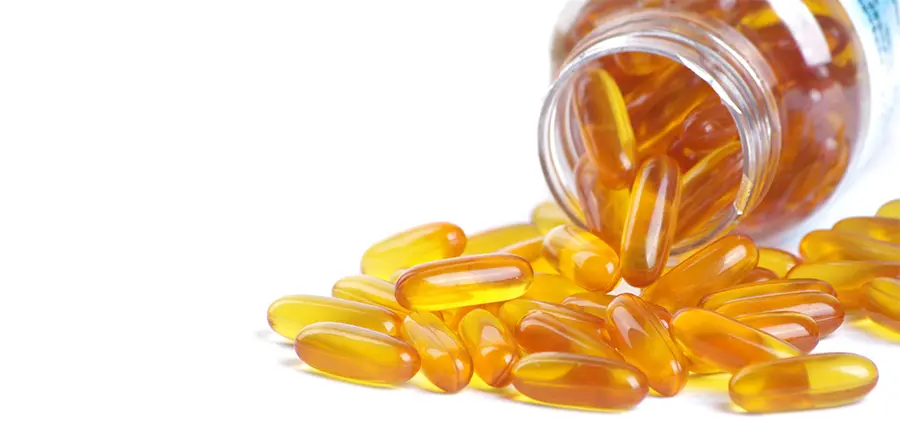
Active pharmaceutical ingredients must meet strict chemical purity standards. For example, evening primrose oil contains high ratios of gamma-linolenic acid (GLA), an essential fatty acid that helps balance hormonal pathways, support cardiovascular function, and reduce joint discomfort. It is typically prepared as a dietary supplement capsule.
High-purity camphor USP grade is widely used in topical OTC chest rubs, nasal inhalants, and joint creams, acting as a local counter-irritant to help ease minor respiratory congestion and muscular pain.

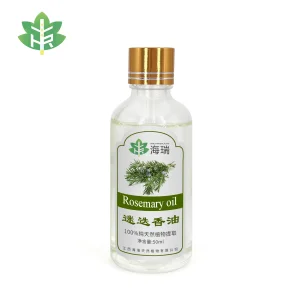
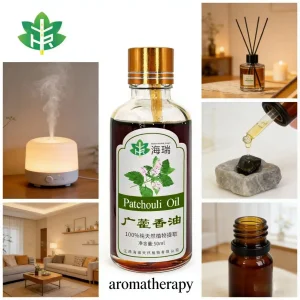
Volatile plant molecules interact directly with olfactory pathways, influencing nervous system responses. In aromatherapy, vaporized plant oils help reduce stress, support healthy sleep patterns, and improve focus. For example, lavender oil helps promote relaxation, while eucalyptus and rosemary oils support mental clarity.
We process these botanical oils to protect the delicate aromatic profile of the plant, helping ensure their effectiveness in diffusers, massage therapies, and personal care products.
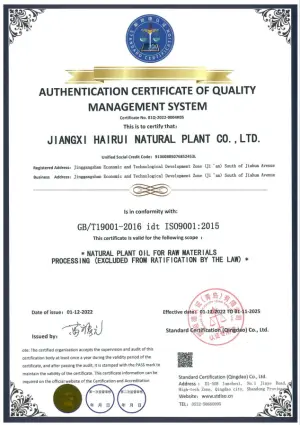
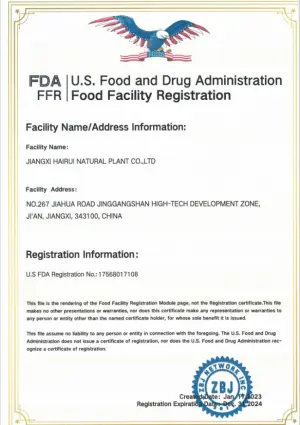
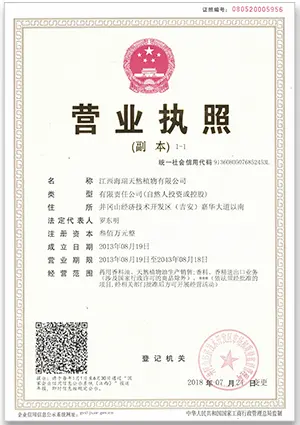
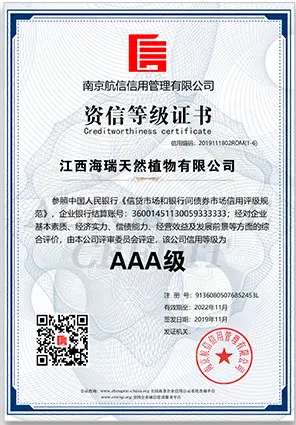
Our facility operates under rigorous international quality, safety, and operational standards.
Technical answers to common questions about chemical composition, extraction methods, and ordering logistics.
High-quality botanical oils processed under clean-room conditions, ideal for cosmetic and therapeutic use.