1 / 1

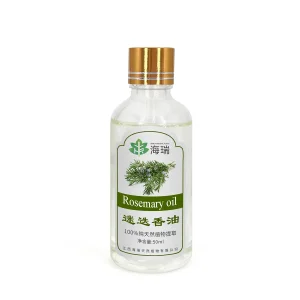
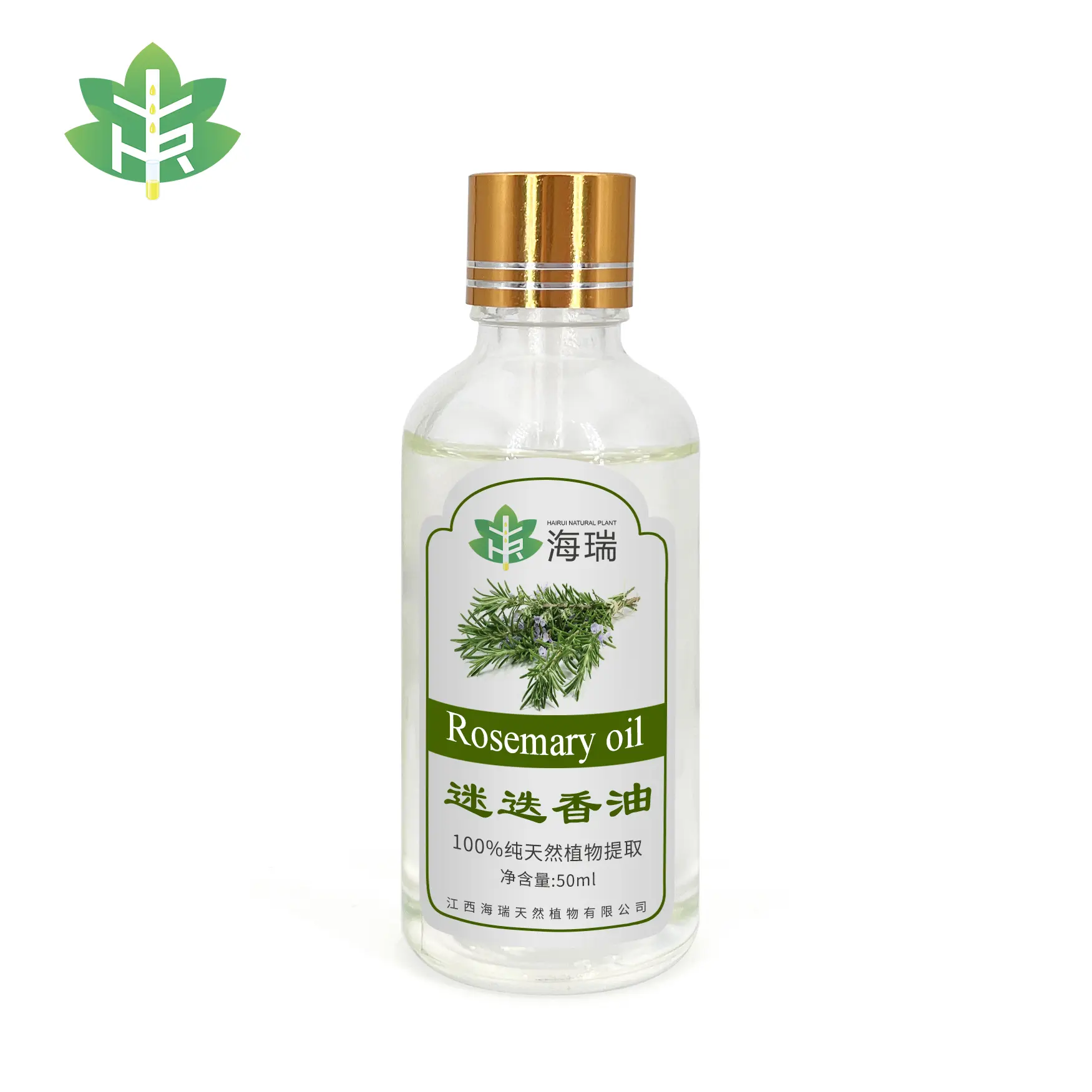
Certain components within rosemary essential oil promote the release of neurotransmitters in the brain, helping to boost attention span and memory—making it an ideal aid during study or work sessions.
Rich in antioxidant compounds, it helps combat free radicals, slows down the aging process, and protects cellular health.
It offers relief for various skin conditions—such as acne and eczema—while simultaneously reducing inflammatory responses.
It accelerates the recovery process; gently massaging it into sore muscles after exercise provides a relaxing and soothing effect.
Possessing antibacterial and anti-inflammatory properties, it helps improve problematic skin conditions—such as acne and blemishes—while also brightening the complexion and imparting a healthy glow. Furthermore, its potent astringent qualities help manage excess oiliness, making it suitable for various skin types.
When using rosemary essential oil, it is crucial to control the concentration; it is recommended to dilute the pure essential oil to a concentration of 1–3% before application. Use should be avoided by pregnant women, infants and young children, as well as individuals suffering from high blood pressure or epilepsy. Prior to use, it is advisable to perform a skin patch test to check for sensitivity. Avoid exposing the application area to direct sunlight. If any adverse reactions occur—such as skin redness, swelling, or difficulty breathing—discontinue use immediately and seek medical attention.

Rosemary essential oil contains active components that promote the release of neurotransmitters in the brain. This activity helps to enhance attention span and support memory function during work or study sessions.
It is highly recommended to dilute pure rosemary essential oil to a concentration of 1–3% with a carrier oil before skin application to prevent irritation.
Pregnant women, infants, young children, and individuals diagnosed with high blood pressure or epilepsy should strictly avoid using rosemary essential oil.
With its natural antibacterial and anti-inflammatory properties, it helps soothe acne and eczema, manages excess oil production with its astringent qualities, and brightens the overall complexion.
Yes, gently massaging diluted rosemary oil into sore muscles after exercise helps accelerate the recovery process and provides a relaxing, soothing effect.
Always perform a skin patch test before broad application and avoid direct sunlight on the treated area. If redness, swelling, or breathing difficulties occur, discontinue use immediately and consult a doctor.