

Industry Whitepaper: Borneol Oil Production & Technical Ecosystem
An in-depth chemical, clinical, and supply chain analysis of biological Borneol compounds for modern pharmaceutical, cosmetic, and wellness enterprises.
1. Global Borneol Oil Market Dynamics & Industrial Landscape
Borneol, a bicyclic monoterpene alcohol, has evolved from traditional biological therapeutics into a core biochemical component in mainstream pharmaceutical formulations and transdermal drug delivery systems (TDDS). The global market exhibits high demand for both L-borneol (extracted organically from plant species like Blumea balsamifera) and D-borneol (derived from Dryobalanops aromatica). As industrial sectors pivot away from synthetic chemical equivalents containing complex racemic impurities, natural Borneol oil factories face the critical challenge of producing high-purity, chiral-specific materials. Currently, China (spearheaded by production zones in the Jiangxi province) and Southeast Asia serve as the global hubs of raw cultivation and refinement, supplying over 78% of the global botanical market demand.
Chiral Purification Requirements
Global pharmaceutical regulatory standards require natural extraction to minimize synthetic camphor byproducts, guaranteeing natural L-borneol content exceeds 98% in commercial batches.
Regulatory Standard Compliance
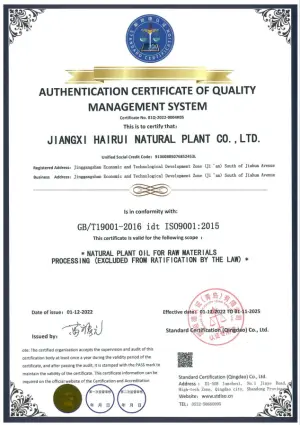
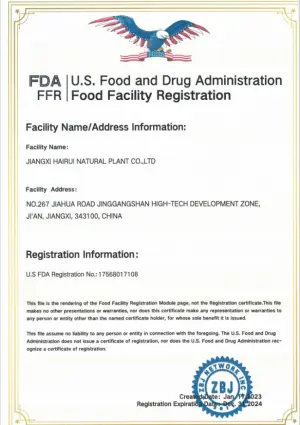
To access high-tier EU and North American pharmaceutical applications, manufacturers must conform with REACH registrations, FDA monographs, and GMP extraction processes.
2. Botanical Classification & Chemistry of Borneol
Understanding the exact biochemical composition of Borneol is paramount for chemical procurement managers. Borneol (C10H18O) exists in enantiomeric forms: D-borneol and L-borneol. While synthetic routes involve the reduction of camphor, which inevitably produces isoborneol (a stereoisomer requiring complex separation processes), natural plant-based extraction pathways provide pure, bio-identical materials that showcase significantly lower toxicity profiles. In industrial settings, the raw extraction process yields a crystal-in-oil slurry, which is subsequently fractionated into pure Borneol Essential Oil and crystallized natural Borneol crystals. This complex multi-stage separation ensures that volatile terpenes, such as camphor, camphene, and pinene, are meticulously cataloged via Gas Chromatography-Mass Spectrometry (GC-MS).
Chemical Specifications: CAS Number: 507-70-0 (Borneol) / 464-43-7 (L-Borneol). Melting Point: 206–208 °C. Solubility: Soluble in organic solvents, extremely low solubility in water. Odour Profile: Clean, cooling, camphoraceous, pine-like.
3. Advanced Extraction Technologies & Factory Quality Control
Modern factories utilize specialized Steam Distillation (SD) and Supercritical Fluid Extraction (SFE-CO2) platforms. Steam distillation remains the foundational technology, utilizing precise vapor temperature parameters to prevent thermodegradation of fragile monoterpenes. At our state-of-the-art Jiangxi facility, high-pressure steam is piped through customized botanical reactors, carrying the volatile borneol molecules to cooling condensation towers. Here, the raw distillate undergoes separation. For applications requiring molecular precision, fractional vacuum distillation is deployed to systematically remove unwanted heavier terpenes. Each manufacturing run is backed by double-column GC-FID and GC-MS validations, securing complete tracing profiles from crop cultivation to final oil distribution.
4. Localized Application Scenarios & Formulation Guidelines
Borneol acts as an highly efficient natural penetration enhancer. This unique characteristic makes it a highly valuable component across several core industries:
- Pharmaceutical Formulations: Enhances the bioavailability of topical analgesics, joint creams, and transdermal patches. Borneol transiently opens the tight junctions of skin membranes and the Blood-Brain Barrier (BBB), accelerating the rate at which target active compounds reach systemic circulation.
- Dermatological Cosmetics: Incorporated into soothing skin lotions, acne treatments, and cooling serums. Its intrinsic anti-inflammatory properties soothe microvascular redness, while its refreshing scent acts as an alternative to synthetic menthols.
- Aromatherapy & Holistic Wellness: Used in clinical vapor diffusers to reduce respiratory congestion, soothe psychological stress, and enhance mental focus during meditative practices.
5. Technical Roadmap & Sustainable Production (2025–2030)
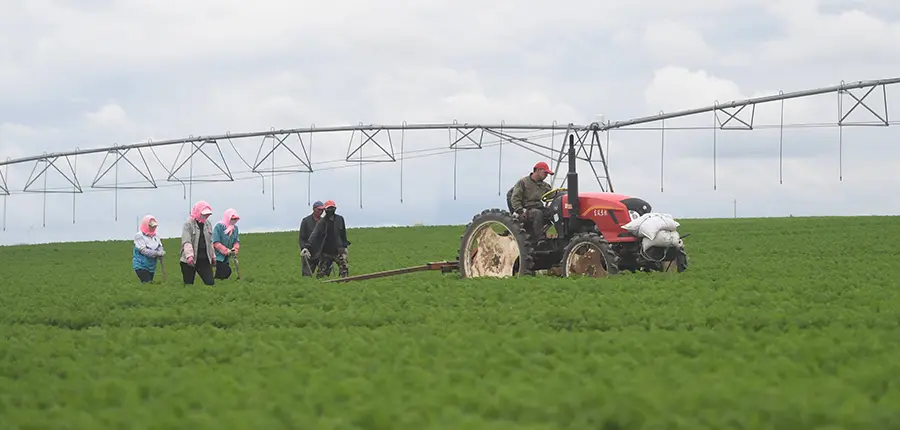
The future of Borneol factory operations relies heavily on biotechnology and clean manufacturing. Over the next five years, the industry is transitioning toward hybrid extraction technologies that combine biological enzymatic pretreatments of plant raw material with green solvent separation. This integration reduces energy consumption profiles in factory operations by up to 35%. Furthermore, advanced molecular breeding programs are developing cultivars of Blumea balsamifera that yield higher percentages of essential oil per acre, optimizing land-use efficiency and establishing a secure, scalable agricultural supply chain that is resilient against localized climate variations.