In the contemporary landscape of cosmetic formulation, Camphor (CAS No: 76-22-2) has experienced a major scientific renaissance. Historically recognized for its traditional cooling and analgesic applications, modern cosmetic science leverages camphor as a highly multifunctional bio-active terpene. Global cosmetic developers are transitioning away from petroleum-derived synthetics in favor of high-purity, naturally sourced camphor (typically extracted from Cinnamomum camphora wood or derived via green-chemistry processes from Pinene). This shift aligns directly with Clean Beauty regulations and consumer demands for transparent, non-fossil carbon footprints.
The beauty industry's strategic expansion into "neuro-cosmetics" and "barrier wellness" has highlighted camphor's unique pharmacological properties. By activating the TRPM8 (Transient Receptor Potential Melastatin 8) cold-sensitive ion channels, camphor provides an immediate cooling sensation without altering skin temperature. This sensory mechanism acts synergistically with anti-pruritic pathways, making it an essential active ingredient in clinical skincare, scalp therapies, post-sun cooling gels, and intensive lip-repair balms.
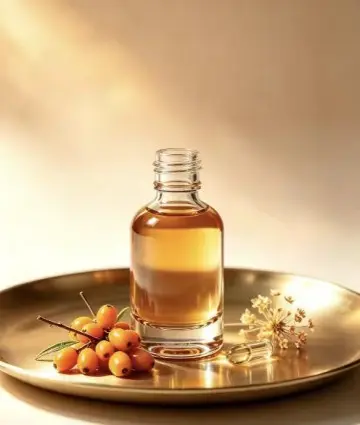
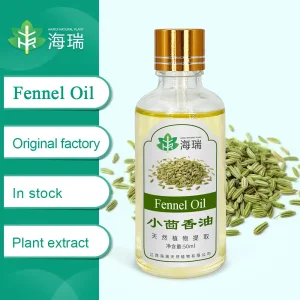
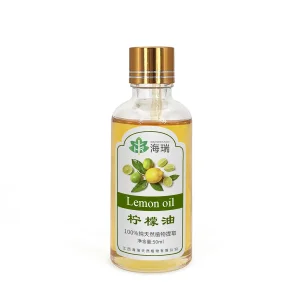
Appearance: Light Yellow Liquid
Odour: Rich, sweet and sour berry aroma. Loaded with carotenoids and essential fatty acids for deep dermal barrier repair.
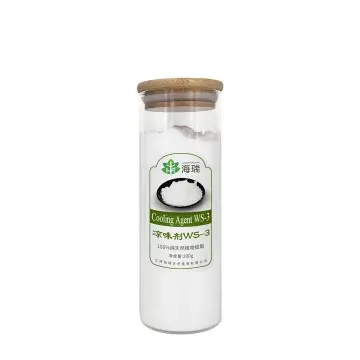
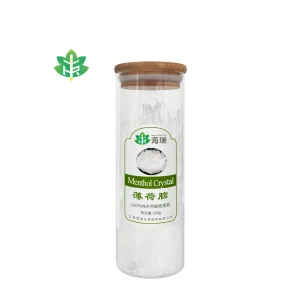
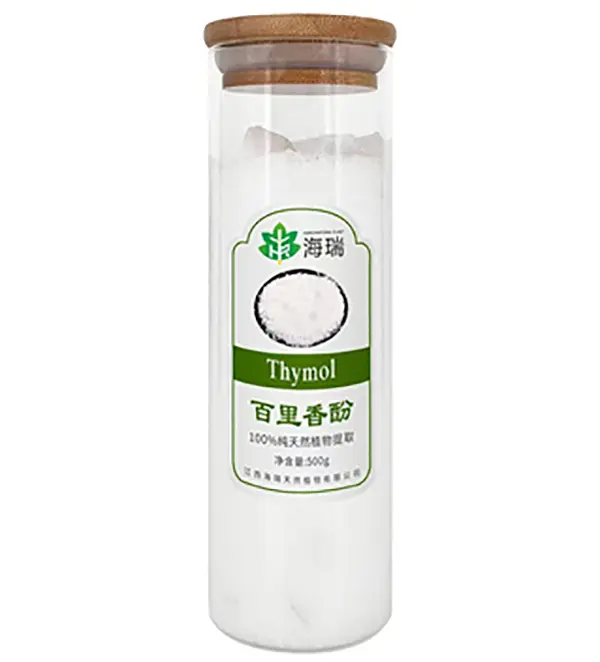
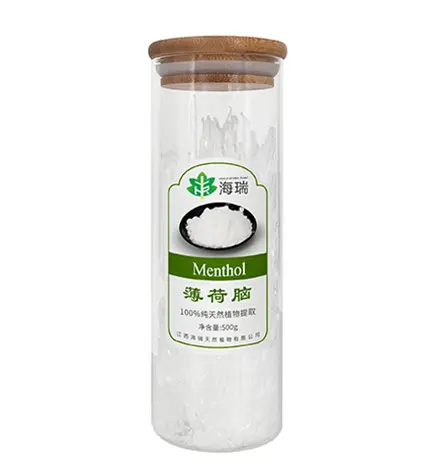
Appearance: White crystalline powder
Purity: ≥99% CAS: 39711-79-0. Highly effective cooling agent with low volatility and no bitterness.
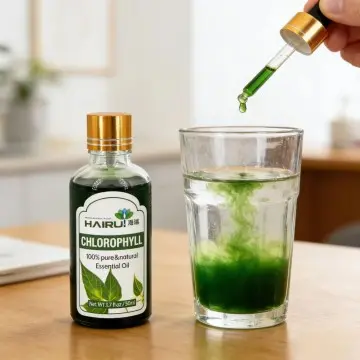
Appearance: Dark green liquid/powder
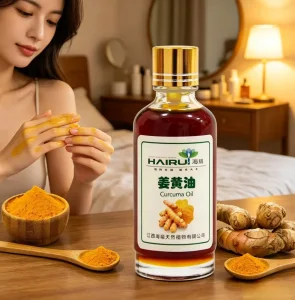
Use Case: Natural pigmenting agent and biological antioxidant for clean beauty formulations.
From an advanced cosmetic chemistry perspective, camphor presents specific formulation challenges due to its highly crystalline structure, hydrophobic properties, and sublimation potential. To guarantee stable emulsion properties and uniform biological activity, cosmetic chemists must utilize precise co-solvency approaches.
| Parameter | Technical Specifications & Behavior | Recommended Formulation Strategy |
|---|---|---|
| Chemical Name | 1,7,7-Trimethylbicyclo[2.2.1]heptan-2-one | Natural d-isomer preferred for Clean Beauty certifications. |
| Solubility Profile | Highly soluble in ethanol, ether, chloroform, and fixed/essential oils. Insoluble in water. | Pre-dissolve camphor in a carrier oil phase (e.g., coconut oil, castor oil) before emulsification. |
| Sublimation Point | Sublimes readily at room temperature; volatile with steam. | Emulsify at lower temperatures (<50°C) or utilize hermetic packaging systems. |
| Effective Dosage | Typically 0.1% to 1.0% for sensory effects; up to 3.0% for therapeutic OTC topicals. | Verify regional compliance limits (e.g., ASEAN, EU Annex III restrictions). |
Camphor works exceptionally well when formulated alongside other natural terpenes and plant extracts. When combined with Menthol or Tea Tree Oil, it forms a highly effective eutectic system that lowers the melting point, easing even dispersion in topical creams and salves. Furthermore, combining camphor with anti-inflammatory compounds like Licorice Extract (Glycyrrhiza Glabra Oil) and curcuminoids from Turmeric Oil yields a multi-targeted pathway to soothe irritated skin, suppress redness, and combat microbial proliferation without compromising the skin's protective lipid barrier.
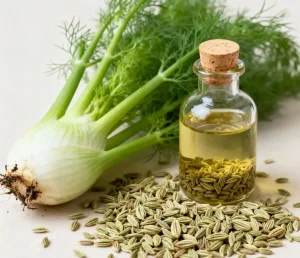
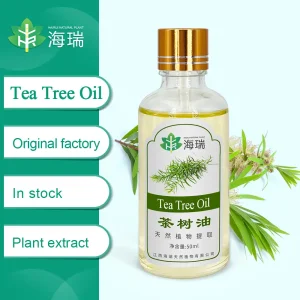
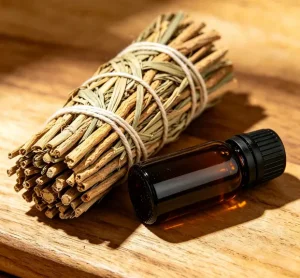
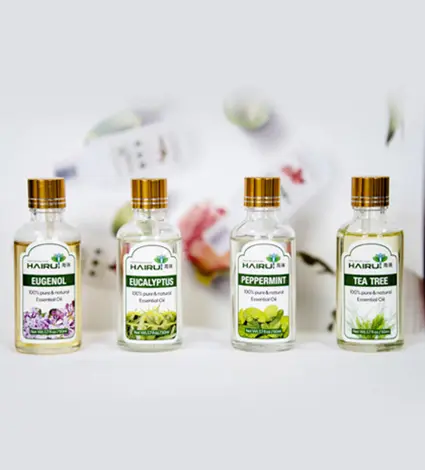
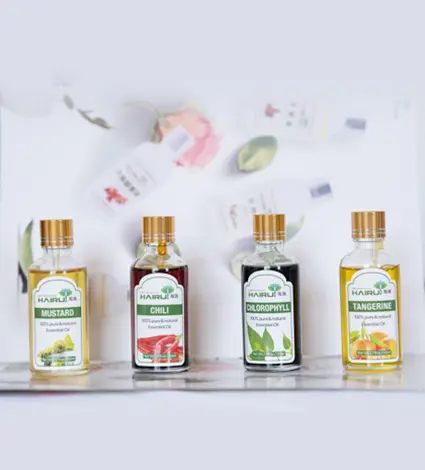
Extracted via advanced steam distillation and cold expression. Our essential oils are sourced with high standards, strictly controlling and supervising the entire extraction process to ensure premium purity.
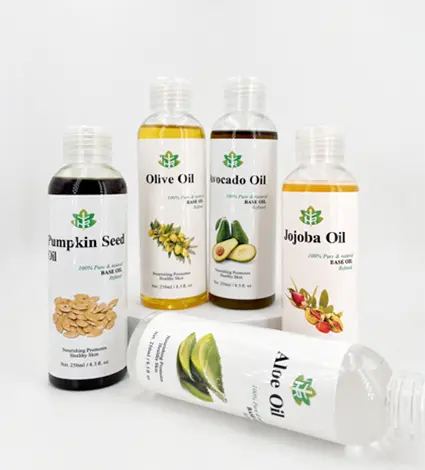
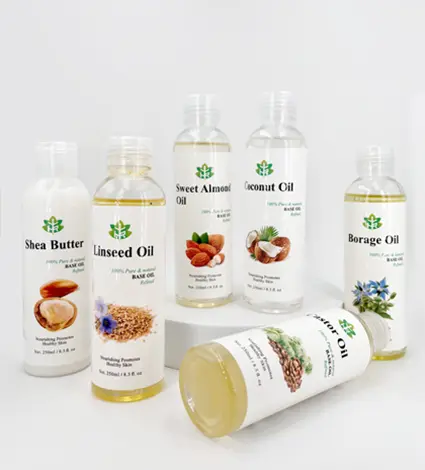
Essential carrier lipids obtained via cold mechanical compression. Ideal for diluting concentrated actives and introducing inherent therapeutic properties to cosmetics.
Separated by crystallization and molecular fractionation. Backed by our 5000+ acre self-owned raw material production base, guaranteeing stable agricultural supply.
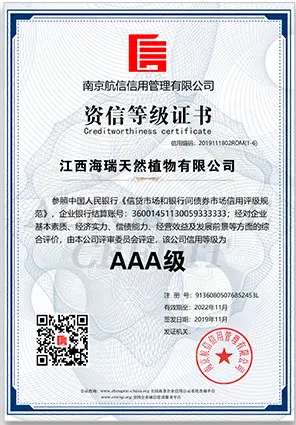
Founded in 2006, Jiangxi Hairui Natural Plant Co., Ltd. is a leading chemical and botanical enterprise specializing in the production and global distribution of natural plant essential oils and active terpene compounds. Located in the Jinggang Mountain High-Tech Development Zone, Ji'an, Jiangxi Province, our facility sits in the heart of China's primary spice and terpene production hubs. This geographical location provides secure, direct access to premium botanical raw materials.
With a capital investment exceeding RMB 50 million, our modern industrial complex spans 13,000 square meters. The plant is equipped with state-of-the-art fractional distillation units, supercritical CO2 extraction hardware, and advanced quality assessment tools (including GC-MS and high-performance liquid chromatography). Today, our facility maintains a robust annual capacity of over 2,000 tons of natural plant extracts, delivering certified products to cosmetic, pharmaceutical, and agricultural enterprises worldwide.

Our 9-step quality assurance program monitors every step from seed selection to final pre-shipment testing. Every batch of camphor or oil is shipped with a comprehensive Certificate of Analysis (COA) and complete GC-MS testing data.
We continuously invest in process engineering, upgrading our isolation techniques and refining natural crystals. This focus guarantees consistent supply, competitive pricing, and long-term chemical purity for global buyers.
Operating across 56 countries and regions, we understand global logistics, custom packaging demands, UN hazardous cargo shipping rules, and country-specific import compliance requirements.
Developing functional consumer goods requires raw materials that balance chemical purity with scalable logistics. Sourcing discount camphor in bulk should not mean compromising on product safety or stability. Jiangxi Hairui offers customized, high-purity industrial solutions tailored for specialized B2B markets:
For skincare brands formulating cooling muscle rubs or post-workout topicals, we provide customized combinations of camphor, menthol crystals, and WS-3 cooling agents. This method creates an immediate cooling sensation followed by prolonged relief, reducing the total active ingredient dose and mitigating irritation risks.
Our technical grade camphor acts as an effective antiseptic agent when combined with natural tea tree oil or licorice extract. This formulation targeting dry, itchy scalps helps clear flakes and regulate sebum production while preserving the hair shaft's natural hydration.
Beyond personal care, agricultural developers utilize our camphor and sweet orange oil extracts to formulate biodegradable biopesticides. By using natural surfactants, we help create stable, eco-friendly emulsions that wash off cleanly without leaving harmful toxic residues.
To support wellness brands, we supply camphor oils standardized for volatile aromatic profiles. These are widely used in diffusers, spa remedies, and nasal inhalers to help clear respiratory pathways and reduce mental fatigue through olfactive stimulation.

Sweet orange oil and natural terpenes offer biological defense without chemical residue, promoting crop photosynthesis while controlling insect pests.
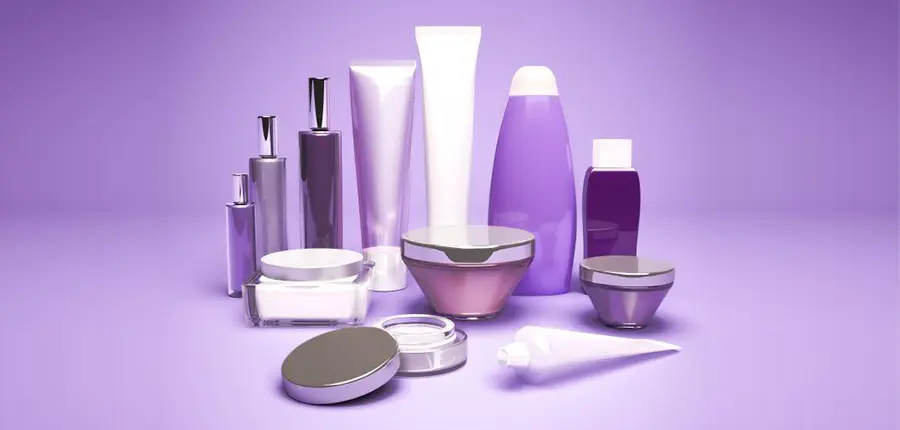
Castor oil, licorice oil, and camphor crystals enhance hair follicle vitality, soothe skin inflammation, and maintain long-term hydration.
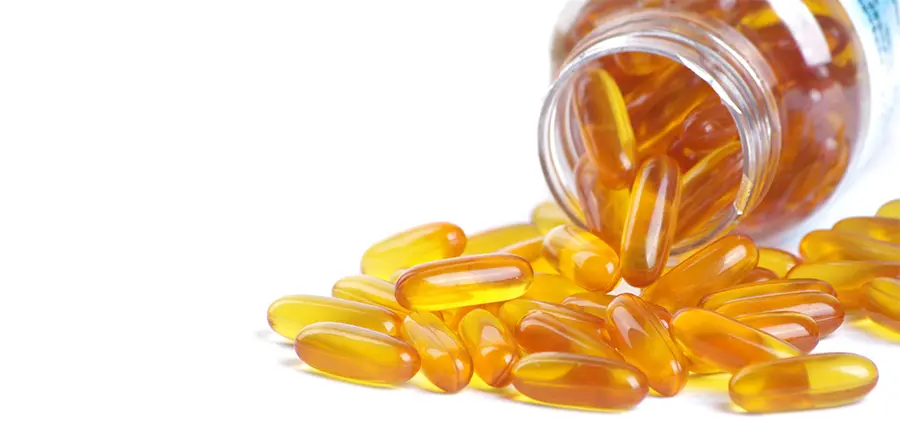
Evening primrose oil (rich in GLA) and camphor are formulated into dietary capsules and therapeutic topicals to support joint and skin health.
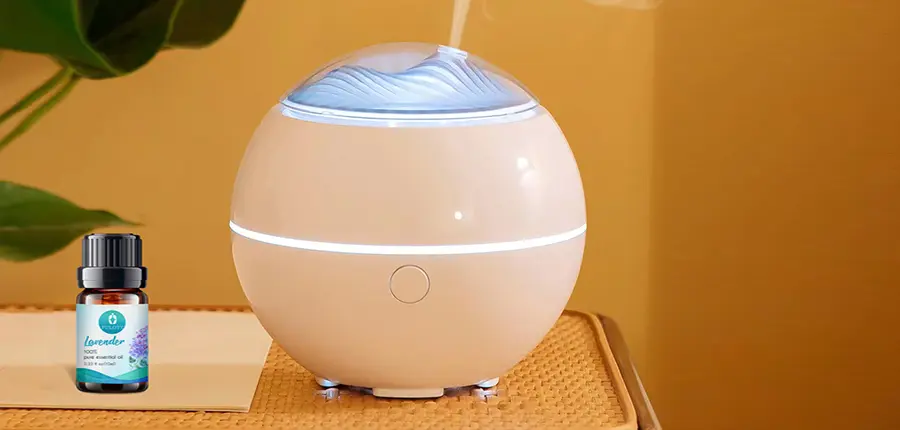
Pure botanical essential oils interact with the olfactory system, regulating emotional responses, promoting relaxation, and easing stress.
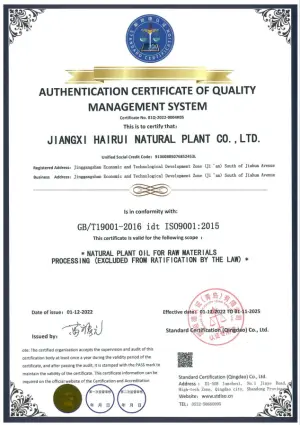
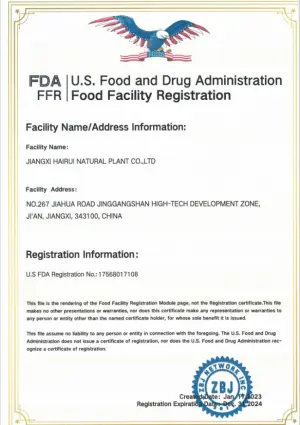
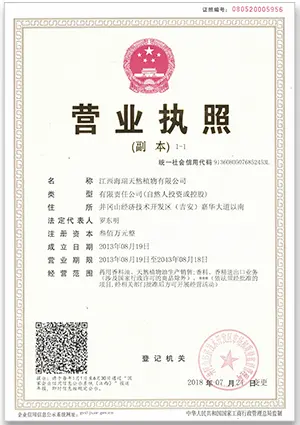
As the international chemical industry faces stricter carbon-tax regulations, the terpene sector is adapting its processing models. Historically, synthetic camphor was manufactured using complex isomerization reactions starting from turpentine-derived pinene, which often involved heavy metal catalysts. The future of B2B camphor sourcing lies in circular bio-economy approaches that focus on energy-efficient extraction and localized, sustainable farming.
Jiangxi Hairui is actively investing in next-generation extraction technologies, including supercritical CO2 extraction and microwave-assisted hydrodistillation (MAHD). These advanced methods cut extraction times by up to 70% and eliminate toxic organic solvents, ensuring that our cosmetic-grade camphor remains free of solvent residues. Additionally, our 5,000-acre agricultural base uses sustainable forestry practices, allowing us to source camphor and essential oils while actively sequestering carbon dioxide.