Premium certified raw materials supplied directly from our high-capacity GMP manufacturing facility
Understanding the biological and technical fundamentals that differentiate high-performance industrial formulations
In the global essential oil and flavoring market, clarity regarding botanical origins is paramount. Pure wasabi oil derived from Wasabia japonica is a highly prized compound containing active volatile organosulfur compounds, notably Allyl Isothiocyanate (AITC), along with secondary isothiocyanates such as 2-phenylethyl isothiocyanate and isopropyl isothiocyanate. Many commercial alternatives utilize cheaper European horseradish (Armoracia rusticana) or mustard extracts, which while similar in heat profile, lack the complex sensory, antimicrobial, and biological profile of genuine high-grade wasabi.
As a leading factory specializing in high-purity natural extracts, we provide fully traceable analytical reports (GC-MS and HPLC testing profiles) to certify the absolute authenticity of our plant oils. This level of transparency is essential for compliance in premium food manufacturing, clinical applications, and high-performance agricultural formulations.
The transition from synthetic food preservatives to organic, clean-label alternatives has driven double-digit compound annual growth (CAGR) for volatile isothiocyanate compounds. Historically confined to traditional East Asian gastronomy, industrial wasabi oil is now utilized as a vital component in modern active packaging systems, natural fungicides, veterinary feed additives, and targeted antimicrobial therapies.
At Jiangxi Hairui Natural Plant Co., Ltd., our industrial scale capacity allows us to produce stabilized bulk runs of essential oils, helping global sourcing managers secure high-quality supply bases amidst volatile agricultural markets.
The generation of key aromatics and therapeutic compounds in wasabi is an enzymatic reaction. When the raw cells of the plant are disrupted, the enzyme myrosinase hydrolyzes glucosinolates (specifically sinigrin) into volatile isothiocyanates. Our production facility leverages state-of-the-art temperature and pressure control systems to optimize this enzymatic conversion prior to steam distillation or cold extraction, yielding maximum active constituent profiles.
Combining rigorous raw material control with advanced extraction technologies since 2006
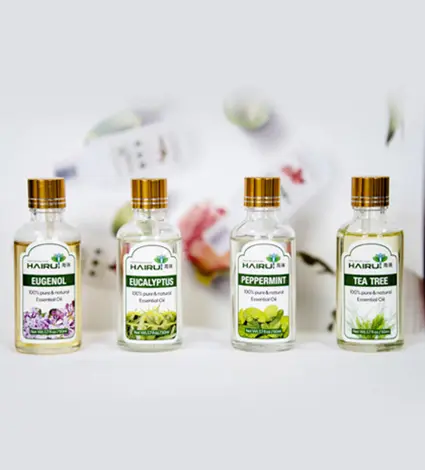
We utilize precise steam distillation and cold-compression technologies to isolate pure botanical fractions, serving the cosmetics, flavorings, and pharmaceutical sectors.
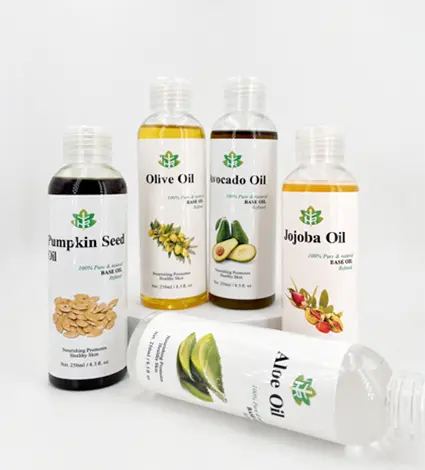
Our cold-pressed carrier oils act as ideal delivery vehicles for potent essential oils, ensuring biocompatibility and extended shelf stability for downstream products.
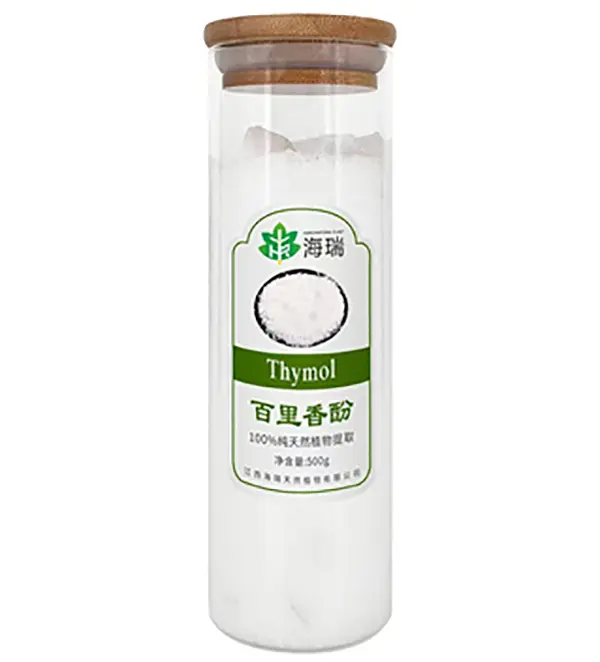
Harnessing high-quality raw materials from our 5000+ acre cultivation footprint, we extract purified active components under strict quality assurance procedures.
The primary challenge in manufacturing premium wasabi and cruciferous essential oils lies in the high volatility and thermolability of isothiocyanate compounds. Traditional open-vat boiling methods quickly degrade the active ingredients, leaving behind an inert oil devoid of the sensory and bio-active properties desired by researchers and developers.
Hairui's research and development division addresses this hurdle by deploying two distinct systems:

Highly specialized, active plant-derived ingredients engineered for industrial integration
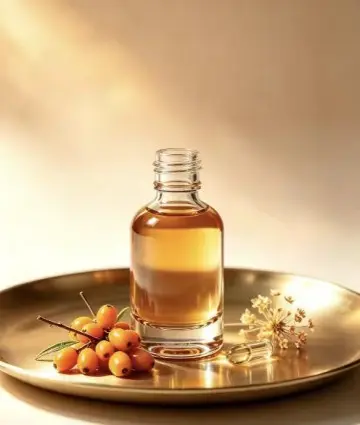
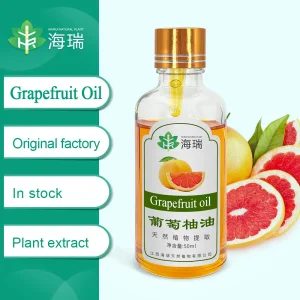
Appearance: Light Yellow Liquid. Odour: Rich, sweet and sour berry aroma. Rich in omega fatty acids and bio-active antioxidants.
Read More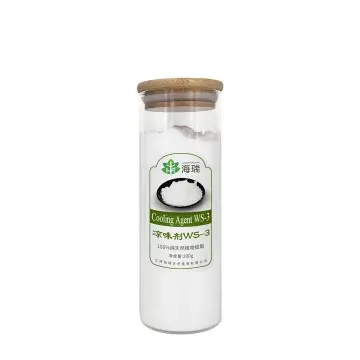
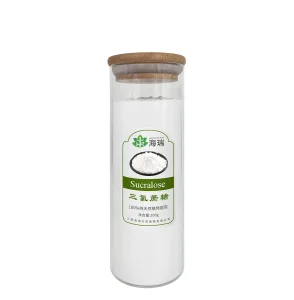
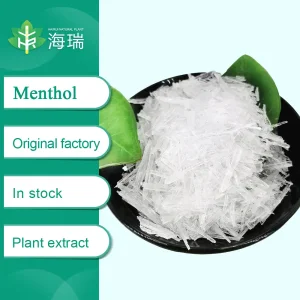
CAS NO: 39711-79-0. White powder cooling agent with minimal aroma, providing prolonged sensory cooling for dental and confectionery products.
Read More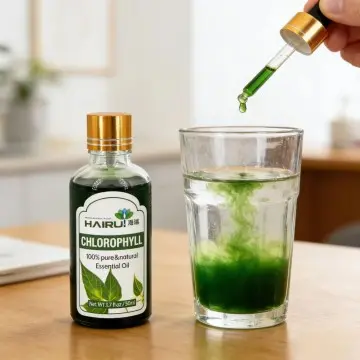
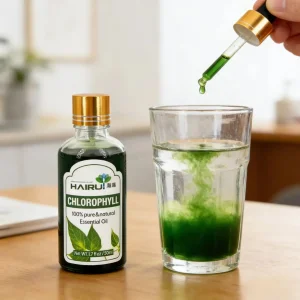
A vibrant dark green, water-soluble natural plant extract providing stable and clean-label coloration across cosmetic and food formulations.
Read MoreFrom the raw seed stock selection at our 5000+ acre sourcing base to final chromatographic evaluation, we implement trace element mapping, volatile compound quantification, and microbial stability testing. Our physical production plant located in the Jinggang Mountain High-Tech Development Zone spans over 13,000 square meters and features gas chromatography-mass spectrometry (GC-MS) units to ensure consistent batch quality.
Sourced without pesticides or synthetic herbicides.
Unique batch coding for full processing line transparency.
How volatile plant extracts and oils drive value across multiple commercial sectors
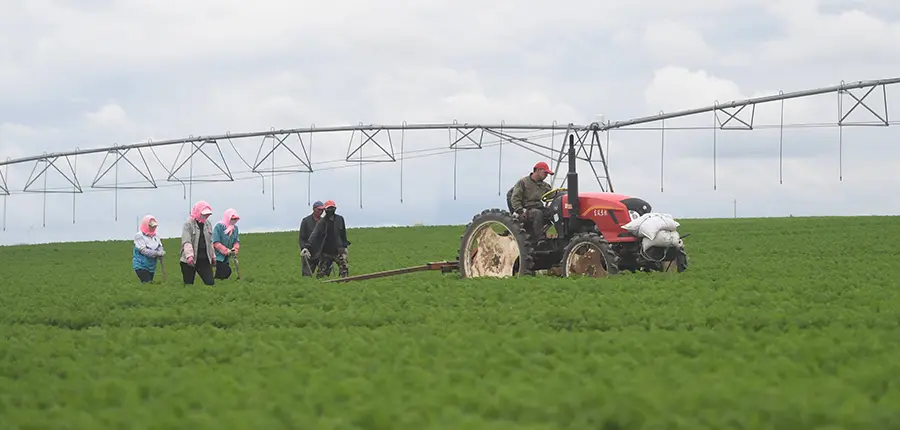
Leveraging the natural fungicidal and anti-nematode attributes of plant secondary metabolites. For instance, cold-pressed orange and mustard extracts act as effective bio-pesticides with zero chemical residues, boosting soil health while mitigating target crop diseases.

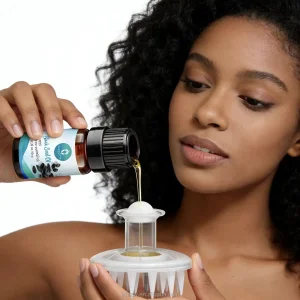
Utilizing active carrier oils such as castor oil and rosemary extracts to stimulate local blood circulation, promote hair follicular regeneration, and provide skin surface defense mechanisms through gentle antibacterial pathways.
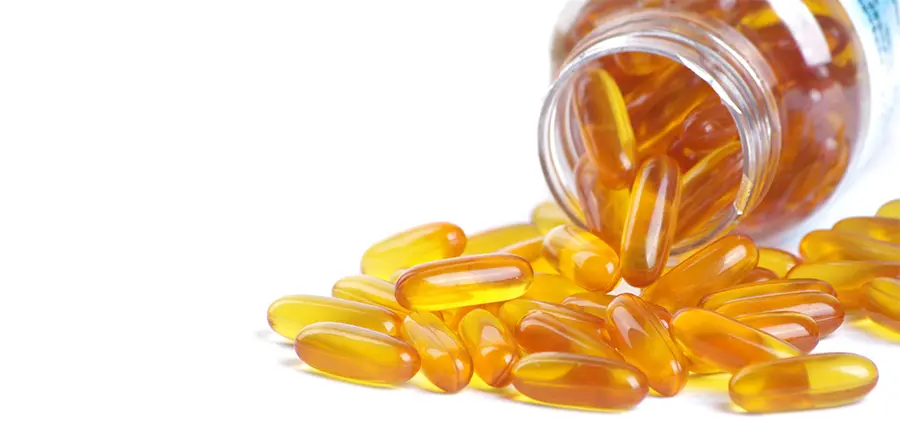
Extracting high-concentration fatty acids and active enzymes for encapsulation. For instance, evening primrose oil rich in Gamma-Linolenic Acid (GLA) serves as a therapeutic agent for cellular and metabolic health.
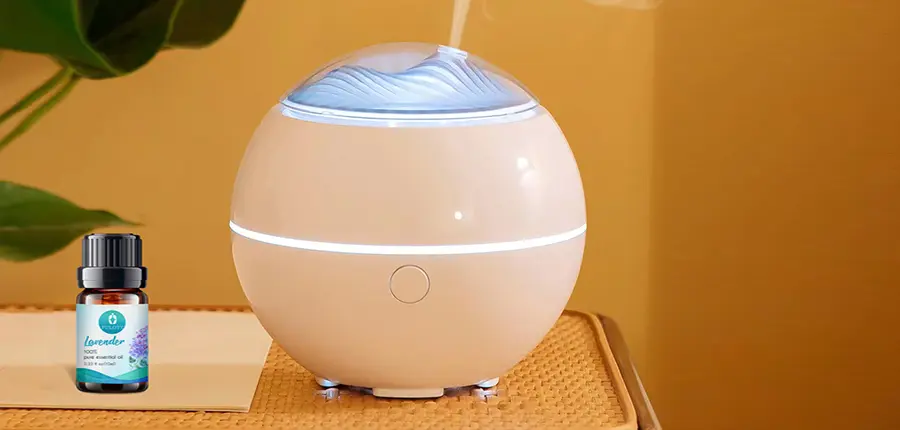
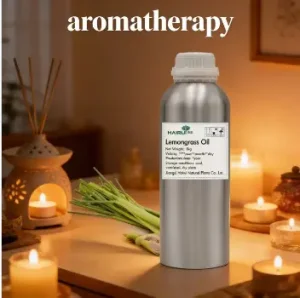
Directing natural volatile organic compounds to stimulate human olfactory sensors and impact neurological limbic systems, offering stress relief, improved cognitive focus, and therapeutic atmosphere enhancement.
An forward-looking exploration of botanical chemistry, extraction automation, and market requirements
The yields of essential oils are highly dependent on seasonal fluctuations, soil nutrient levels, and temperature cycles. Modern agriculture leverages IoT sensors and micro-dosing irrigation to optimize standard levels of sinigrin and active glycosides in the leaves and stems of crops. We actively manage our agricultural partner sites to guarantee consistent raw inputs for the extraction plant.
Looking toward the next decade, green chemistry principles will dominate the industry. The phase-out of traditional hydrocarbon solvents like hexane has made carbon-neutral, closed-loop extraction methods a commercial standard for premium global brands.
Due to the strong microbial properties of isothiocyanates, wasabi oil is highly studied for active food packaging. Even at low parts-per-million (ppm) levels, the volatile gas phase of AITC inhibits the growth of foodborne pathogens, including Listeria monocytogenes, Escherichia coli, and various mold species.
This characteristic allows manufacturers to prolong the shelf life of food products without using synthetic chemicals, helping brands align with clean-label, organic consumer trends.
Direct answers from our R&D chemists and logistics management team
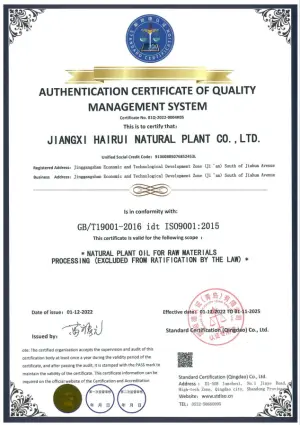
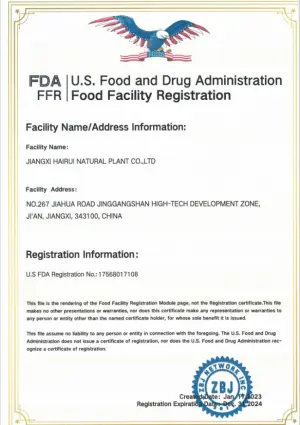
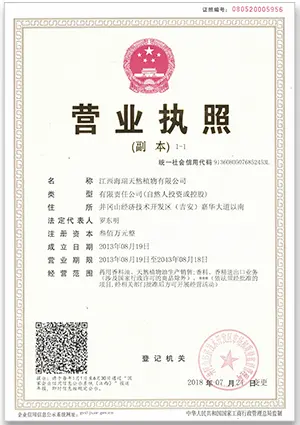
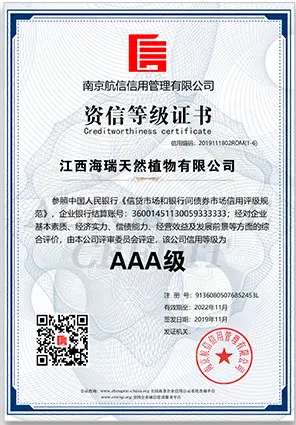
Internationally recognized standards certifying our production facility
Highly refined industrial extracts, natural cooling agents, and therapeutic seed oils