1 / 1

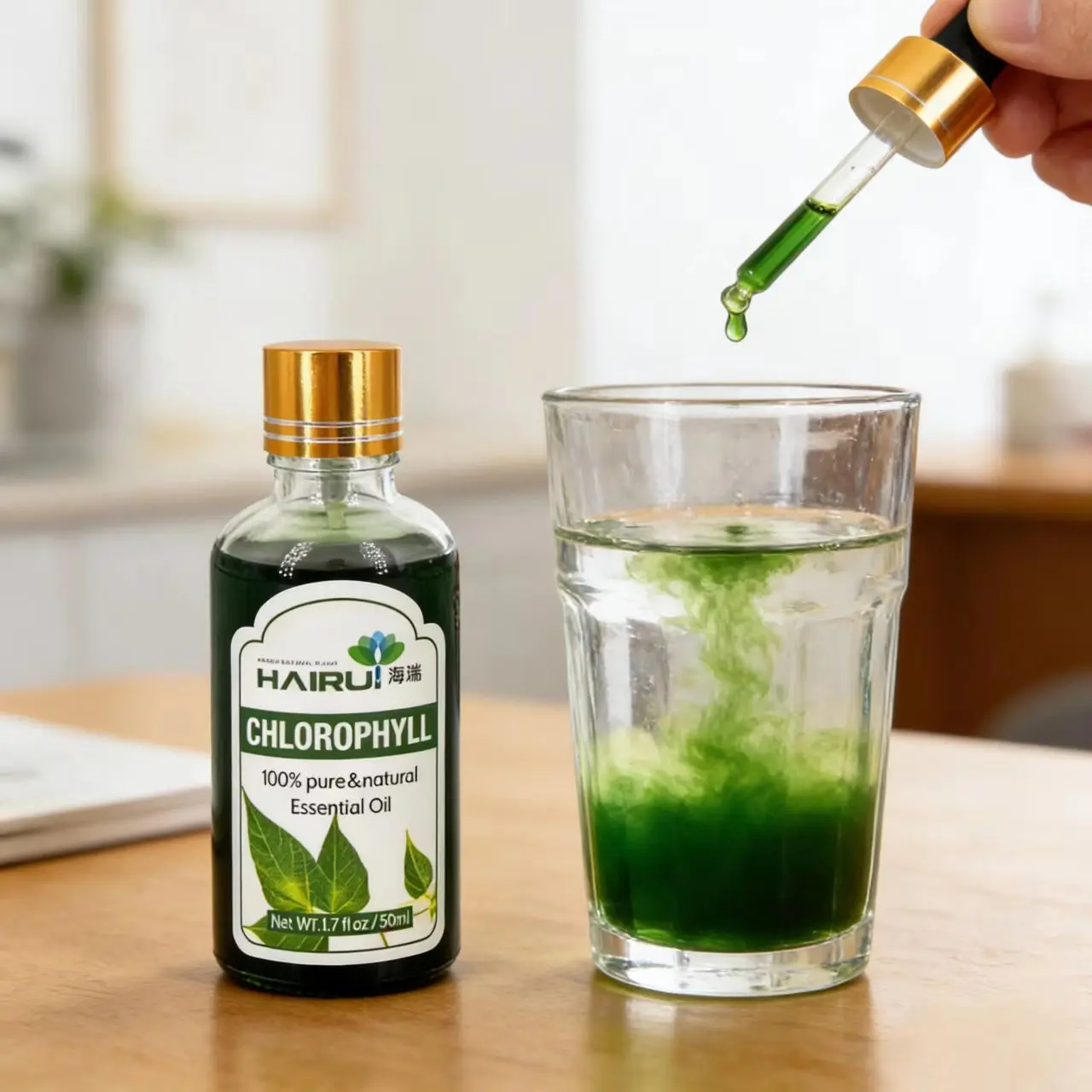
Fruit and vegetable juices, sparkling water, herbal teas, plant-based milks, cocktails, and functional oral supplements (creates a natural, vibrant green hue).
Matcha cakes, cookies, jellies, puddings, ice cream, and popsicles.
Mints, gummies, and chewing gum (offers breath-freshening and antibacterial properties).
Green peas, cucumbers, pickles, and canned fruits/vegetables (preserves color and prevents browning).
Plant-based meat, surimi, and green-colored sausages.
Salad dressings, fruit pastes, and matcha powder coloring.
Coloring for poultry and aquatic feeds; enhancing the color of egg yolks and fish flesh; inhibiting bacteria to reduce intestinal diarrhea.
Foliar application to boost crop photosynthetic efficiency; magnesium supplementation to alleviate leaf yellowing; mild antibacterial and pest-deterrent properties.
Micro-dosing to stabilize algal populations in the water and improve overall environment quality.
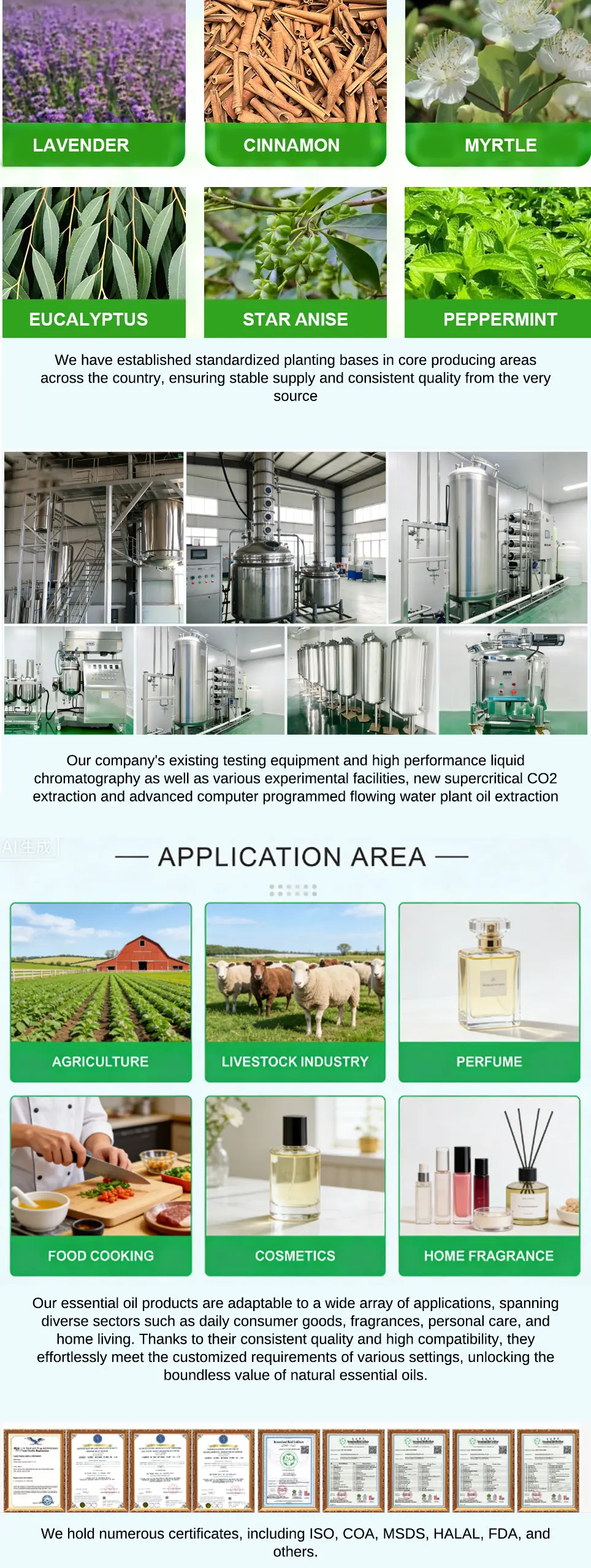
Chlorophyll is widely used as a natural green colorant in beverages, baked goods, confectionery, canned foods, meat alternatives, and various dressings or powder mixes.
It serves as a natural pigment additive that enhances yolk and fish flesh color, while also exhibiting antibacterial properties that help reduce intestinal issues in poultry and aquatic species.
When applied as foliar fertilizers, it boosts crop photosynthetic efficiency, provides essential magnesium to prevent leaf yellowing, and offers mild pest-deterrent and antibacterial benefits.
Through micro-dosing, Chlorophyll helps stabilize beneficial algal populations in the water, contributing to improved water quality and a balanced aquatic ecosystem.
Yes. It helps maintain the natural green hue of canned vegetables, green peas, and pickles, effectively preventing browning during storage.