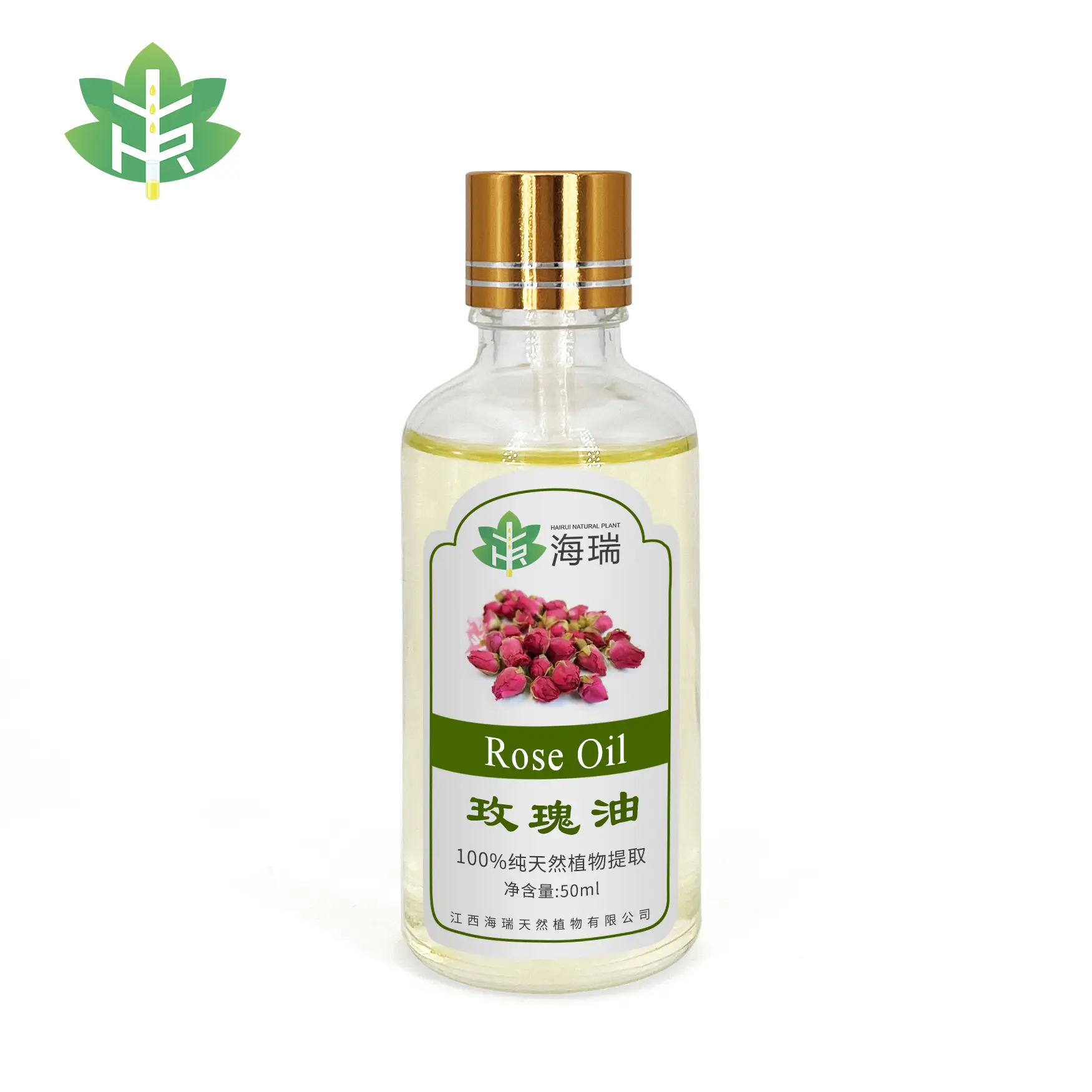
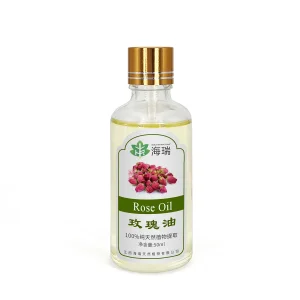
Introduction of Rose Essential Oil
Rose essential oil, a concentrated active ingredient extracted from rose petals, has multiple benefits, including skincare, mood regulation, antibacterial and anti-inflammatory properties, and physiological function improvement. It is widely used in beauty, aromatherapy, and wellness.
Rose essential oil is rich in natural moisturizing factors (such as rose wax) and antioxidants (such as polyphenols and vitamin C). It deeply moisturizes the skin, reduces dryness, and inhibits free radical production, delaying aging. For sensitive or damaged skin, its gentle restorative properties can soothe redness, reduce fine lines, and promote epidermal cell regeneration. Furthermore, its astringent properties help balance oil secretion, making it suitable for oily and combination skin.
The scent of rose essential oil acts on the limbic system through the olfactory nerves, relieving anxiety, depression, and stress. Research has shown that its aromatic components (such as citronellol and geraniol) can stimulate serotonin secretion, help stabilize mood, and improve sleep quality. In clinical aromatherapy, it is often used to assist in treating psychological issues related to menopausal mood swings or chronic fatigue.
Rose essential oil is particularly beneficial for women's health. It can regulate endocrine function and alleviate premenstrual syndrome (PMS) symptoms (such as breast tenderness and depression) and menstrual discomfort. Some studies also indicate that rose essential oil has a mild effect on promoting blood circulation, helping to improve symptoms such as cold hands and feet or slow metabolism.
Experiments have shown that rose essential oil has inhibitory effects on common pathogens such as Staphylococcus aureus and Propionibacterium acnes. It can be used directly to prevent or alleviate skin inflammation (such as acne and eczema). Its anti-inflammatory properties can also relieve muscle soreness and joint discomfort. Diluted, it can be used as a topical massage oil.
- Dilution is necessary: Pure essential oils are highly concentrated and may cause irritation when applied directly to the skin. It is recommended to dilute 1%-2% with a carrier oil (such as jojoba oil).
- Sensitivity Test: Before first use, apply a small amount behind the ear or on the inside of the wrist and observe for 24 hours to detect any allergic reactions.
- Special Groups: Pregnant or breastfeeding women should consult a doctor, as some may experience hormonal fluctuations.
The effectiveness of rose essential oil depends on its concentration and usage. We recommend choosing a high-quality product tailored to your needs and using it regularly to achieve optimal results.
Frequently Asked Questions (FAQ)
Q: What skin types benefit most from rose essential oil?
Rose essential oil is highly versatile. It deeply moisturizes dry skin, soothes sensitive or damaged skin, and its astringent properties help balance oil production in oily and combination skin types.
Q: How does rose essential oil relieve stress and anxiety?
Its aromatic components (like citronellol and geraniol) act on the limbic system via the olfactory nerves. This stimulates serotonin secretion, which helps stabilize mood, alleviate depression, and improve overall sleep quality.
Q: Can rose essential oil help with menstrual discomfort?
Yes, rose essential oil helps regulate endocrine function. It can alleviate premenstrual syndrome (PMS) symptoms like breast tenderness and low mood, as well as ease general menstrual discomfort.
Q: Why must pure rose essential oil be diluted before application?
Pure essential oils are extremely concentrated and potent. Applying them directly to the skin can cause irritation or allergic reactions. It is always recommended to dilute them to a 1%-2% concentration with a carrier oil like jojoba oil.
Q: Is rose essential oil safe to use during pregnancy?
Pregnant or breastfeeding women should consult a healthcare professional before use, as essential oils can cause hormonal fluctuations.
Q: Does rose essential oil have antibacterial properties?
Yes. Studies show that rose essential oil inhibits common pathogens such as Staphylococcus aureus and Propionibacterium acnes, making it helpful in preventing or soothing skin issues like acne and eczema.