1 / 1

The volatile oil components in Vitex oil (such as β-caryophyllene) can relax bronchial smooth muscle and reduce phlegm secretion; it is commonly used to alleviate symptoms such as coughing and excessive phlegm associated with chronic bronchitis and the common cold.
Studies indicate that Vitex oil inhibits pathogenic microorganisms such as Staphylococcus aureus and Streptococcus pneumoniae; it also reduces inflammatory responses in the respiratory mucosa and relieves sore, swollen throats.
Animal experiments demonstrate that Vitex oil enhances macrophage activity and boosts the body's non-specific immunity, helping to improve conditions involving recurrent respiratory infections.

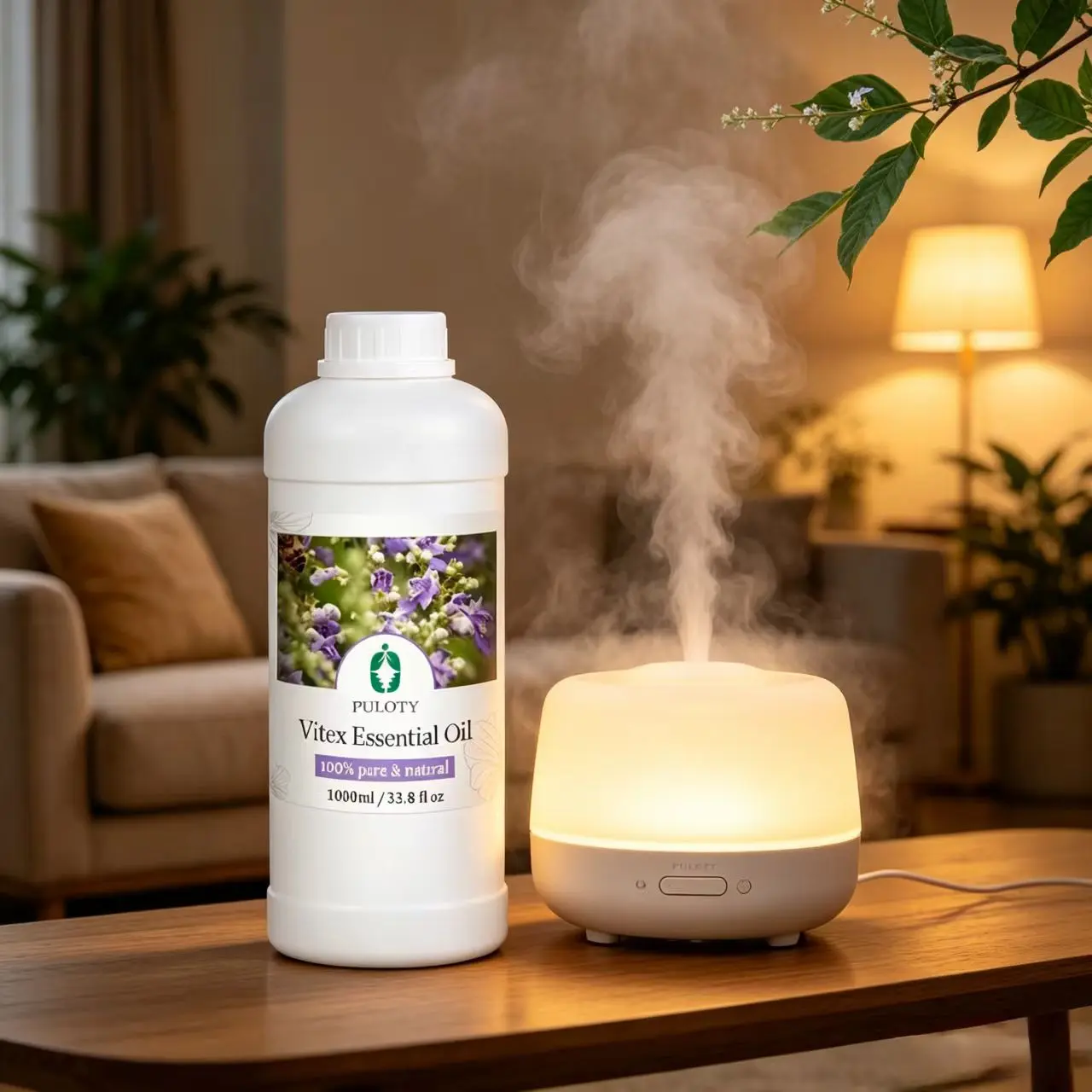
Vitex essential oil is commonly used to relieve cough and phlegm, suppress respiratory inflammation, inhibit bacteria, and help regulate immune responses.
The oil contains active compounds like β-caryophyllene, which relax the smooth muscles of the bronchus and decrease phlegm secretions, providing respiratory relief.
Yes, studies demonstrate that Vitex oil has antibacterial properties capable of inhibiting pathogens such as Staphylococcus aureus and Streptococcus pneumoniae.
Yes, based on animal experiments, Vitex oil can enhance macrophage activity, helping to boost non-specific immunity and fight off recurrent infections.
Vitex oil is rich in volatile components, including β-caryophyllene, which contribute to its therapeutic anti-inflammatory and antispasmodic properties.