1 / 1

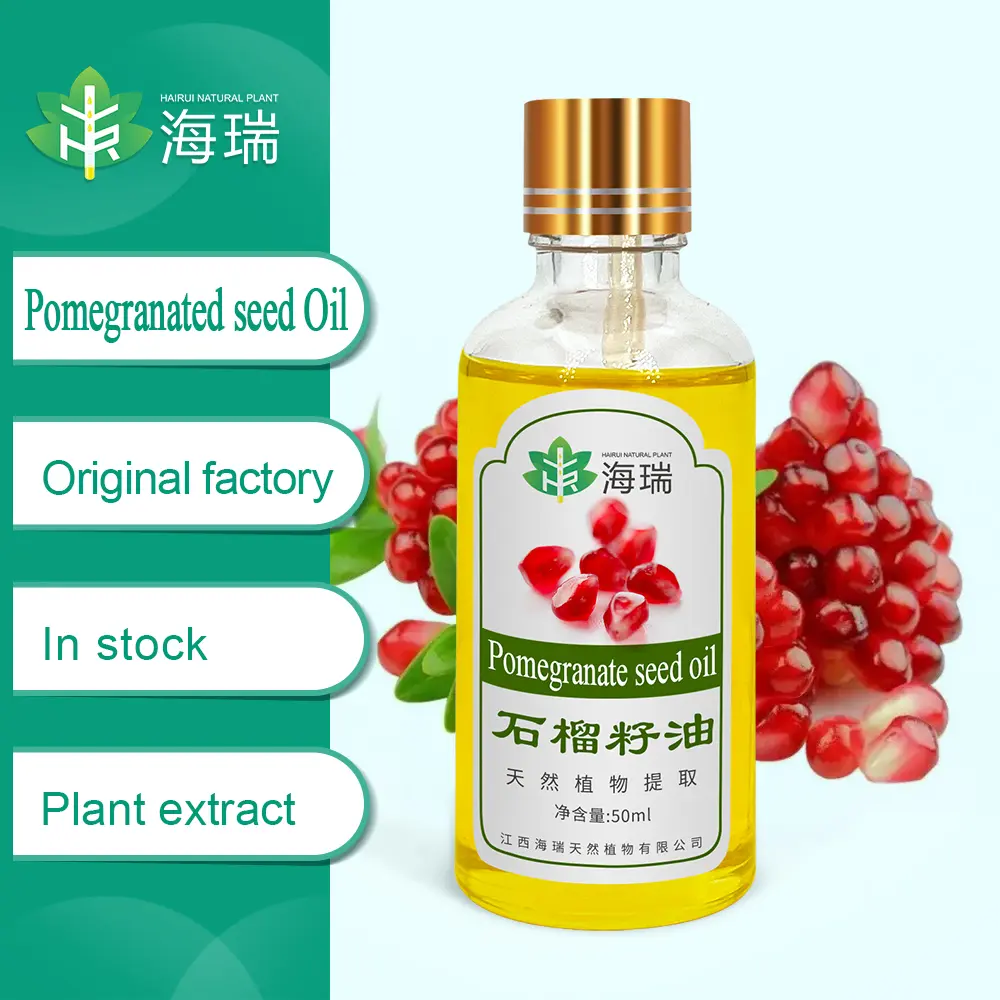
Pomegranate seed oil is the only plant derived polyunsaturated conjugated fatty acid, mainly composed of pomegranate acid, with a content of up to 70-80%. Pomegranate acid is called "super conjugated linoleic acid" because its structure is closest to conjugated linoleic acid (CLA), and its functionality exceeds that of conjugated linoleic acid in general.

Compared to green tea, pomegranate juice is more effective in improving dry and dull skin. Pomegranate seeds contain a large amount of vitamin C. As an external care product, they can also improve skin roughness and restore skin radiance. Regarding external care, dermatologists recommend using pomegranate seed oil as it can promote skin epidermal regeneration.
When bacteria on the face infect the oil glands of the skin, it is possible to form acne. Afterwards, the body will produce a type of white blood cell called neutrophils to surround the acne and engulf the bacteria. The mixture of cells and bacteria can cause inflammation, resulting in the unsightly appearance of acne redness and swelling. The antioxidants in pomegranate seeds have anti-inflammatory effects and are beneficial in reducing cellular inflammation.
Excessive exposure to harmful ultraviolet rays and polluted environments can oxidize our cells, increase the risk of wrinkles, age spots, sun spots, and even cancer. The antioxidants (polyphenols) in pomegranate can help protect our cells from oxidative stress. Pomegranate derived products can also play a crucial role in repairing DNA damage.
As we age, our skin naturally loses its elasticity and begins to sag. The tannic acid contained in pomegranate seeds has been proven to effectively inhibit the breakdown of collagen. Collagen is the foundation of skin elasticity. Pomegranate seeds help to make your skin fuller again, stimulate blood supply, improve your complexion, and reduce skin wrinkles by stimulating collagen producing cells to produce fibroblasts.
Pomegranate seed oil nourishes the skin, keeps it moist, and improves skin elasticity; balances the pH value of the skin to protect it from free radical damage; and quickly restores cracked and irritated skin. It contains natural estrogen to help fade pigmentation and tighten the skin. It is extremely safe and gentle for sensitive skin, pregnant women, and babies. (Note: It features a unique, natural herbal scent).
Pomegranate seed oil is primarily composed of pomegranate acid (conjugated linolenic acid), which accounts for up to 70-80% of its content. It is known as a "super conjugated linoleic acid" due to its highly beneficial structure and superior functionality.
Rich in vitamin C and essential fatty acids, the oil deeply moisturizes, improves roughness, and restores skin radiance. It is highly recommended by dermatologists for promoting epidermal skin regeneration.
Yes. The natural antioxidants found in pomegranate seeds possess anti-inflammatory properties that help reduce cellular inflammation, soothing the redness and swelling associated with acne.
It contains powerful polyphenols (antioxidants) that shield skin cells from oxidative stress caused by UV rays and pollution, which helps minimize wrinkles, age spots, and aids in DNA damage repair.
Yes. The tannic acid in the oil inhibits collagen breakdown, while other nutrients stimulate collagen-producing cells to produce fibroblasts, improving skin elasticity and reducing wrinkles.
Absolutely. Pomegranate seed oil is exceptionally gentle, balances skin pH, and helps heal cracked or irritated skin, making it highly safe for sensitive skin types, pregnant women, and even babies.