1 / 1

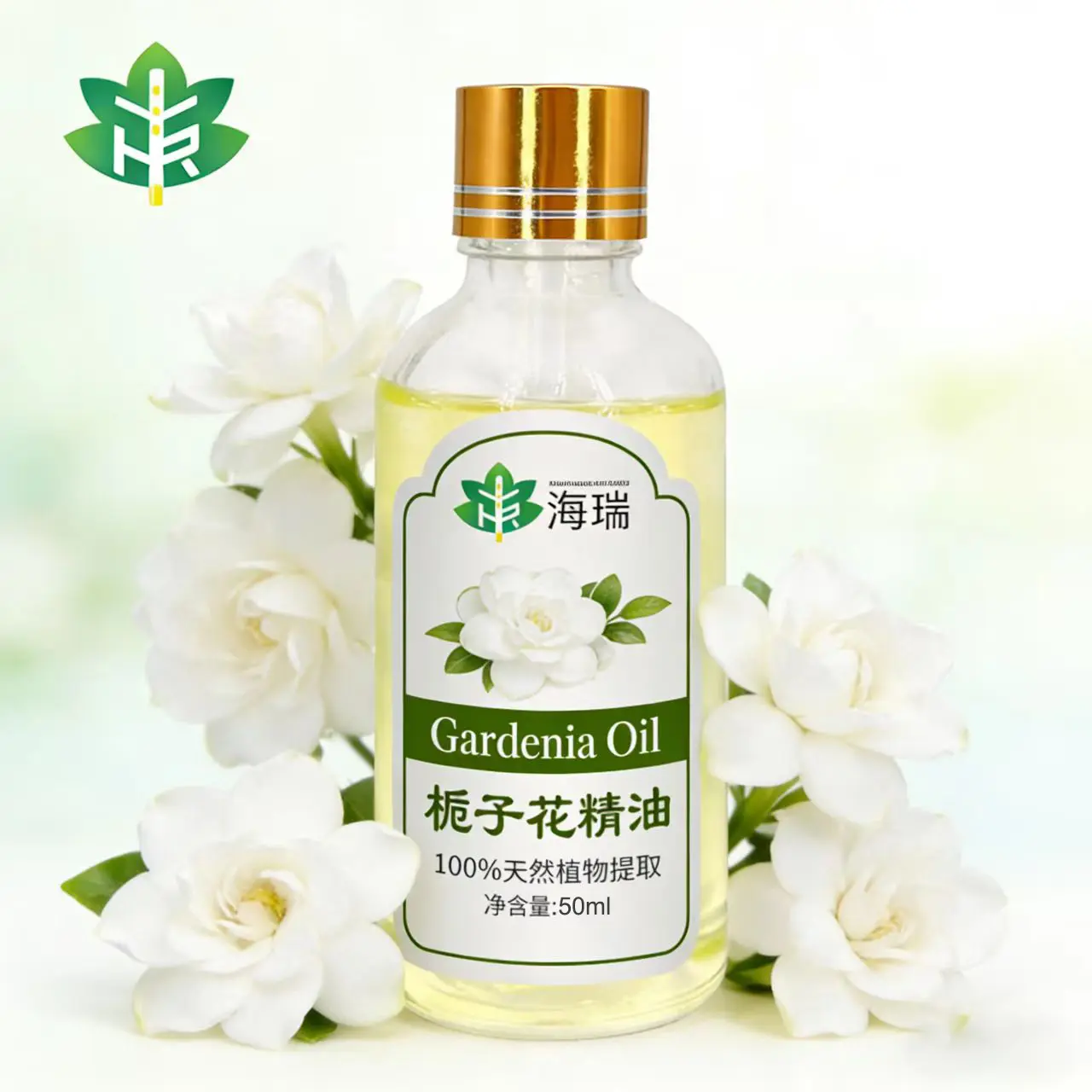
Gardenia oil is a natural essential oil extracted from gardenia flowers. Its main components include volatile oils, flavonoids, and gardenoside, among other active substances. It has effects such as soothing emotions, skin care, and antibacterial and anti-inflammatory properties. Its gentle nature makes it suitable for external use, but attention should be paid to the method of use and contraindications.
Gardenia oil, as a natural plant extract, has gentle effects, but individual responses may vary. It should be used judiciously according to individual needs. If skin irritation or discomfort occurs, discontinue use immediately and cleanse the skin.

Gardenia oil contains valuable active components including volatile oils, flavonoids, and gardenoside, which contribute to its soothing, antioxidant, and antibacterial benefits.
Its volatile components stimulate the olfactory system to regulate the nervous system, helping to reduce anxiety, alleviate tension, and support better sleep quality during aromatherapy sessions.
It provides deep hydration to relieve dryness and peeling, contains antioxidant flavonoids that brighten dull skin tones, and calms mild redness or sun-damaged skin.
Yes, laboratory tests indicate that gardenia oil has inhibitory properties against common bacteria such as Staphylococcus aureus and Candida albicans, making it a supportive agent for mild skin cleansing and minor wound care.
It is highly versatile: you can diffuse it for aromatherapy, blend it with your favorite body lotions and facial creams to boost hydration, or dilute it with a carrier oil for targeted body massage.
While gardenia oil is generally mild and natural, sensitivity varies per individual. We recommend doing a patch test, and you should discontinue usage immediately and cleanse your skin if irritation occurs.