1 / 1

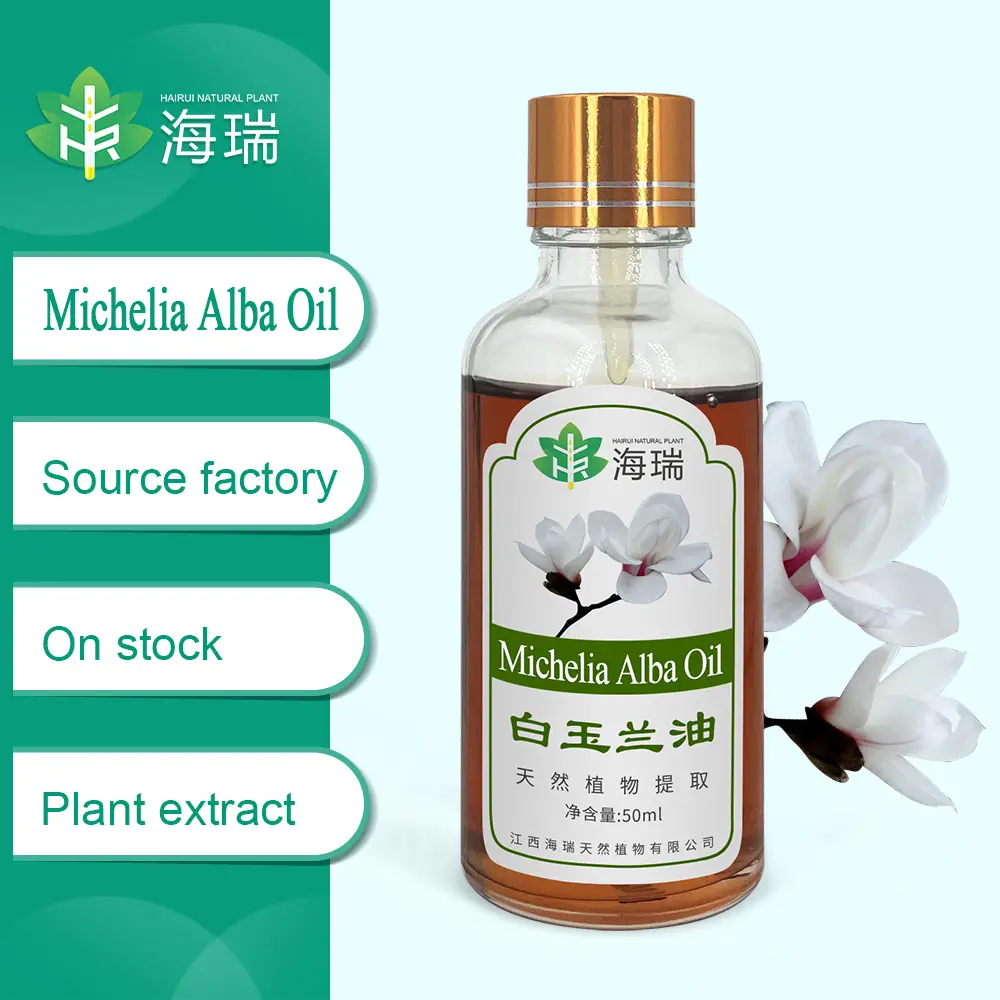
Magnolia essential oil is a volatile oil extracted from the flower buds of Magnolia biondii (such as Magnolia denudata and Magnolia dahurica), a plant in the Magnoliaceae family. It mainly contains eucalyptol, limonene, and linalool. Its core effects include clearing nasal passages, anti-inflammatory and antibacterial properties, relieving headaches, and reducing local irritation. It is suitable for nasal congestion, rhinitis, headaches, and for external disinfection.
The volatile oil components in Magnolia biondii oil (such as eucalyptol) can dilate blood vessels in the nasal mucosa, improving symptoms such as nasal congestion and runny nose. It is often used as an adjunct treatment for allergic rhinitis and sinusitis.
Studies show that Magnolia biondii oil has an inhibitory effect on pathogenic microorganisms such as Staphylococcus aureus and Streptococcus, and can alleviate local inflammatory reactions.
By promoting blood circulation and soothing nerves, it can alleviate headaches caused by nasal diseases or colds.
When diluted and applied topically, it can promote skin microcirculation and help relieve muscle soreness or joint discomfort. (Avoid direct contact with broken skin).
Magnolia oil has a rich aromatic scent and can be used as a fragrance in daily chemical products, such as perfumes and skin care products, to enhance the aroma and quality of the products.

Magnolia flower essential oil is a natural volatile oil extracted from the flower buds of the Magnolia biondii plant, which includes species like Magnolia denudata and Magnolia dahurica.
The oil primarily consists of active compounds including eucalyptol, limonene, and linalool, which contribute to its distinct aroma and therapeutic effects.
The volatile component eucalyptol helps dilate the blood vessels within the nasal mucosa. This action relieves symptoms of nasal congestion and runny nose, making it an excellent supportive choice for rhinitis and sinusitis.
Yes, when properly diluted, it can be applied topically to promote microcirculation and ease muscle or joint soreness. However, it must never be applied directly to broken or damaged skin.
Thanks to its rich and elegant aromatic profile, Magnolia essential oil is widely utilized as a premium fragrance agent in perfumes, soaps, and skincare formulations to enhance their sensory quality.
Yes. Scientific studies indicate that Magnolia biondii oil exerts an inhibitory effect against common pathogens such as Staphylococcus aureus and Streptococcus, which helps control local inflammation.