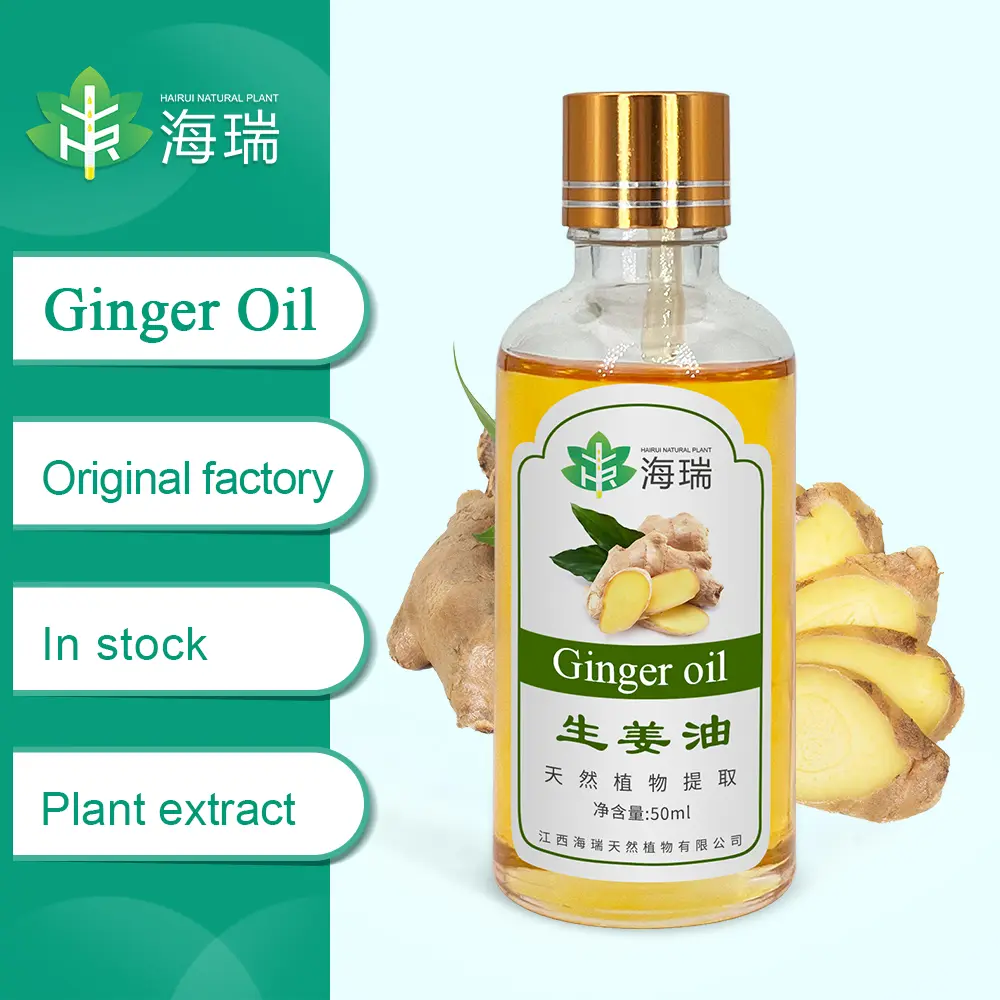
Introduction of Ginger Essential Oil
Some features of the ginger essential oil:
Best known for its properties, it stimulates blood circulation and creates a warming sensation.
Traditionally used to relieve gastrointestinal discomfort such as nausea, motion sickness, indigestion, and bloating.
It has anti-inflammatory and soothing properties, often used in massage to relieve soreness and stiffness.
Its spicy, warm aroma helps dispel fatigue, elevating mood and concentration.
It has antioxidant and antibacterial properties.
Its warming and expectorant properties can help relieve nasal congestion and sore throats caused by the common cold (often through steam inhalation or chest application).
Mainly Applications
Use in Aromatherapy
- Diffusing: Uplifts mood, purifies the air, relieves nausea, and creates a warming atmosphere.
- Steam Inhalation: Relieves nasal congestion and sore throats.
Massage and Body Care
- Diluted for massage: Suitable for muscle soreness, stiff joints, post-exercise recovery, abdominal massage (to relieve bloating and menstrual discomfort), and local circulation stimulation (often blended with carrier oils such as sweet almond oil or jojoba oil).
- Bath Care: Add to bath oils or bath salts to warm the body, relax muscles, and ward off cold.
Use in Skin Care
- Extremely Low Concentrations: Due to its circulation-stimulating properties, it is sometimes used in hair growth products or to improve topical skin vitality (be cautious, as high concentrations can be irritating).
- Topical Additives: Add to warming body lotions or massage creams.
Health Products/Food Industry
- Natural Flavoring: As a natural flavoring additive, it is used in beverages, candies, baked goods, and more to provide a ginger flavor.
Household Cleaning
- Natural Cleaners: Its antibacterial properties make it a potential ingredient in natural cleaners.
Frequently Asked Questions
What are the primary benefits of Ginger Essential Oil?
Ginger Essential Oil is highly regarded for its warming properties, ability to soothe digestion, relieve muscle and joint discomfort, support the immune system, and help with respiratory congestion.
How should I apply Ginger Essential Oil for muscle soreness?
It is best used diluted in a carrier oil (such as sweet almond or jojoba oil) and massaged directly onto sore muscles and stiff joints to stimulate local circulation and relieve tension.
Can Ginger Essential Oil be used in skincare?
Yes, but only in extremely low concentrations, as high concentrations can cause skin irritation. It is often added to warming body lotions, massage creams, or hair growth products to vitalize the skin and scalp.
How does Ginger Essential Oil help with digestive issues?
Traditionally, it is diffused in the air or diluted and applied via massage to the abdomen to help ease symptoms of indigestion, nausea, motion sickness, and bloating.
Is Ginger Essential Oil safe for inhalation?
Yes, it is excellent for steam inhalation or diffusing. Inhaling its warm, spicy aroma can help relieve nasal congestion, soothe sore throats, and dispel mental fatigue.