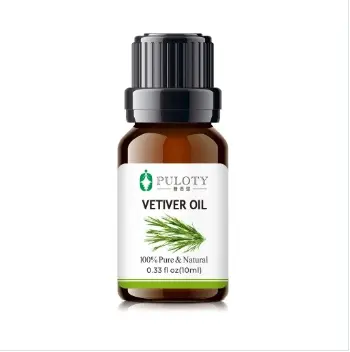
Obtained by steam distillation of the stems and roots of the grass plant Vetiveria zizanioides Stapf.
Appearance
A dark brown or amber viscous liquid. A smooth film forms on the surface upon standing, with noticeable sticking.
Aroma
A rich, long-lasting woody and earthy aroma, with an initial note of damp earth, a middle note of dry, warm sandalwood, and a slightly sweet finish.
Main Components
Vetiverol, vetiverone, vetivene, etc.
Physical Specifications
Refractive Index (20°C)
1.5150 - 1.5300
Density Index (20°C)
0.9830 - 1.0220
Optical Rotation
+10° - +46°
Key Applications
Daily Chemicals
Widely used in perfumes, cosmetics, soaps, and fragrances. It's often used as a base note in perfumes, imparting a unique woody and earthy aroma while also prolonging the scent's longevity. In cosmetics, it can also provide fragrance and stress relief. For example, adding it to serums can stimulate blood circulation through massage. It can also be used as a core fragrance in handmade balms to enhance the product's texture.
Aromatherapy
It has a soothing and relaxing effect. A few drops on a cotton ball placed next to your pillow can help improve sleep quality. It can also be added to massage oil or inhaled directly to relieve tension and anxiety.
Instructions for Use
Diffuser
Add 3-5 drops of vetiver oil to an aromatherapy diffuser to create a relaxing atmosphere.
Massage
Mix 1-2 drops of vetiver oil with an appropriate amount of a carrier oil (such as sweet almond oil or jojoba oil) and massage the body to stimulate circulation and relieve muscle aches.
Bath
Add 3-4 drops of vetiver oil to warm water for a relaxing bath.
Precautions & Safety Guidelines
May cause skin sensitivity. Test on a small area before use. If any discomfort occurs, discontinue use immediately.
Keep out of reach of children.
If you are pregnant, breastfeeding, or under medical treatment, consult a physician before use.
Avoid contact with eyes, inner ears, or sensitive areas.
Frequently Asked Questions
Q1: How is Vetiver Oil extracted?
Vetiver Oil is extracted using the steam distillation method from the dried and prepared stems and roots of the Vetiveria zizanioides Stapf grass.
Q2: Can I apply Vetiver Oil directly to my skin?
It is highly recommended to dilute Vetiver Oil with a carrier oil, such as sweet almond or jojoba oil, before skin application to prevent skin sensitivity. Perform a patch test on a small area first.
Q3: How does Vetiver Oil support sleep and relaxation?
Vetiver Oil features a rich, grounding woody aroma that is soothing and relaxing. Placing a few drops on a cotton ball near your pillow or diffusing it in your room can help improve overall sleep quality and relieve tension.
Q4: What are the main physical properties of Vetiver Oil?
At 20°C, the Refractive Index range is 1.5150 - 1.5300, the Density Index is 0.9830 - 1.0220, and the Optical Rotation ranges from +10° to +46°.
Q5: Are there any specific groups who should consult a doctor before use?
Yes, individuals who are pregnant, breastfeeding, or undergoing medical treatments should always consult a physician before introducing Vetiver Oil to their routine.