1 / 1

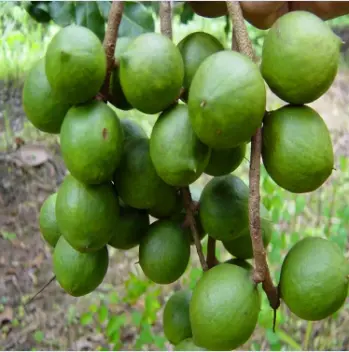
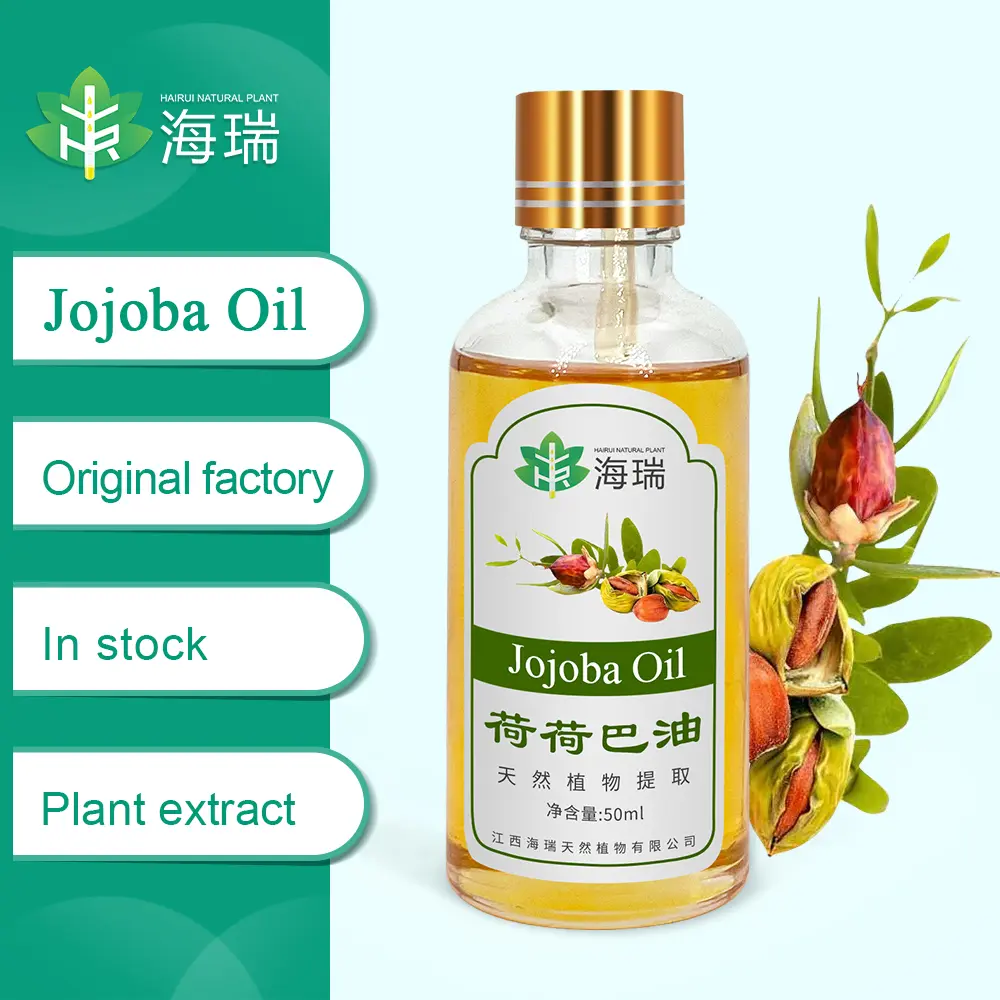
Jojoba oil is a plant wax ester extracted from the fruit of the simedo tree. It possesses unique chemical stability and biocompatibility, and can be used in agriculture as a biopesticide, soil conditioner, and plant growth regulator. Its molecular structure is highly similar to human sebum, but through special processing, it can be transformed into agricultural-specific formulations.
Contact pesticides against aphids, spider mites, and other pests, controlling them by physically blocking their spiracles.
Prevents fungal diseases such as powdery mildew and downy mildew, forming a protective film.
Promotes soil microbial community balance and enhances water and fertilizer retention capacity.
Replaces some chemical fertilizers in organic agriculture, increasing soil organic matter content.
Enhances plant resistance through foliar absorption and reduces water evaporation.
Promotes uniform fruit coloring and extends the harvest period.
A1: Jojoba oil is a plant wax ester extracted from the fruit of the simedo tree. In agriculture, it functions as an effective biopesticide, soil conditioner, and plant growth regulator after specialized processing.
A2: It acts as a physical contact pesticide by blocking the spiracles of pests like aphids and spider mites, and forms a protective physical film on leaves to prevent fungal diseases like powdery mildew and downy mildew.
A3: For biopesticide purposes, it is recommended to dilute the Jojoba oil formulation 200-300 times and spray it once a week for 2 to 3 consecutive applications.
A4: It helps promote a healthy balance in the soil microbial community, enhances the soil's capacity to retain water and fertilizer, and increases overall organic matter content in organic farming systems.
A5: Through foliar absorption, Jojoba oil reduces water evaporation, strengthens plant resistance to environmental stress, helps achieve uniform fruit coloring, and extends the harvest window.