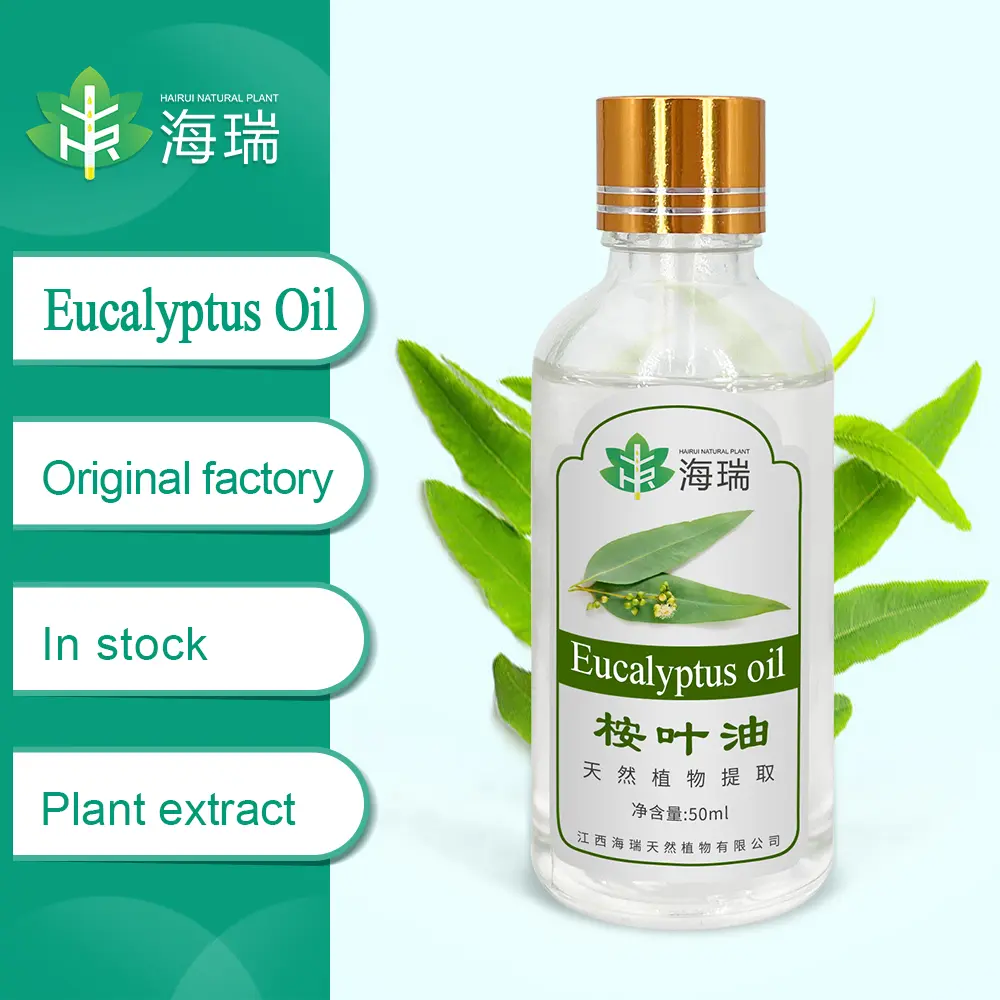
Main Components: 1,8-cineole (usually at least 70%), with small amounts of terpenes such as α-pinene and β-pinene
Source: Produced by steam distillation from fresh leaves of Eucalyptus plants (e.g., Eucalyptus globulus and Eucalyptus lemon) in the Myrtaceae family.
Functions and Uses
Daily Cleaning
Can be used as an auxiliary ingredient in household cleaners and dishwashing detergents to remove odors and clean surfaces. It can also be added to laundry products to enhance the freshness of clothing.
Respiratory Care
Can be used in the preparation of respiratory soothing products (e.g., nasal inhalers and soothing sprays). Its volatile components can provide some relief from nasal congestion and throat discomfort.
Oral Care
Can be used as an additive in toothpaste and mouthwash to aid in oral cleansing and freshen breath.
Industrial Applications
Can be used as a fragrance in cosmetics and perfumes, and as a solvent in the production of some industrial products.
Usage Instructions
Household Cleaning: Dilute 1-2 drops of eucalyptus oil with 500ml of water. Place in a spray bottle and spray on household surfaces (such as tables and sofas). Alternatively, add to laundry water and wash with clothes.
Respiratory Soothing: Use a eucalyptus oil-containing inhaler according to the product instructions. Alternatively, add 1-2 drops to a humidifier to improve indoor air through atomization.
Oral Care: Use toothpaste or mouthwash containing eucalyptus oil directly and rinse your mouth as usual.
Precautions
Do Not Take Orally: Eucalyptus oil is toxic and may cause nausea, vomiting, dizziness, and even life-threatening conditions. It is strictly prohibited.
Skin Protection: Undiluted eucalyptus oil can be irritating to the skin, especially sensitive skin, children, and pregnant women. Dilute it 1:10 with a carrier oil (such as olive oil or coconut oil) before use. A skin sensitivity test behind the ear is recommended before first use.
Special Populations: Pregnant women, breastfeeding women, infants, and those with respiratory diseases such as asthma should consult a doctor or healthcare professional before use.
Storage: Store tightly closed in a cool, dry, dark place, away from children and exposure to high temperatures.
Emergency Measures: If contact with skin causes redness, swelling, or itching, rinse immediately with plenty of water. If ingested, induce vomiting and seek medical attention immediately.
Frequently Asked Questions
What is the primary active component in Eucalyptus Oil?
The main component of Eucalyptus Oil is 1,8-cineole, which typically constitutes at least 70% of the oil. It also contains small amounts of terpenes such as α-pinene and β-pinene.
Can I apply Eucalyptus Oil directly to my skin?
No, undiluted eucalyptus oil can be highly irritating to the skin. It should be diluted at a 1:10 ratio with a carrier oil (such as olive oil or coconut oil) before application. Performing a patch test behind the ear is recommended before the first use.
Is Eucalyptus Oil safe for ingestion or oral consumption?
Absolutely not. Eucalyptus oil is toxic when ingested and can cause severe symptoms like nausea, vomiting, dizziness, and life-threatening conditions. If ingested, seek medical attention immediately.
How do I use Eucalyptus Oil for respiratory relief?
You can use a eucalyptus oil-containing inhaler according to the product guidelines, or add 1 to 2 drops of the oil to a humidifier to disperse it into the indoor air for soothing relief from nasal congestion and throat discomfort.
Who should consult a doctor before using Eucalyptus Oil?
Pregnant women, breastfeeding women, infants, and individuals with chronic respiratory diseases like asthma should always consult a healthcare professional before using eucalyptus oil.
What is the best way to store Eucalyptus Oil?
It should be stored tightly closed in a cool, dry, and dark place. Ensure it is kept out of reach of children and away from exposure to high temperatures.