Explore our premium factory-direct natural oils and cosmetic raw materials sourced globally under rigorous laboratory controls.
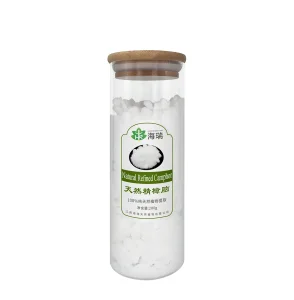
Camphor crystals (CAS No. 76-22-2) represent a foundational chemical compound utilized extensively across global pharmaceutical, industrial, agricultural, and cosmetic manufacturing sectors. B2B procurement of camphor crystals requires strict adherence to physical-chemical parameters. As a volatile, crystalline solid with a characteristic penetrating odor, camphor crystals are primarily sourced as natural D-camphor (extracted from Cinnamomum camphora) or synthetic DL-camphor (synthesized from pinene).
Global procurement departments prioritize three pillars: chemical purity, supply continuity, and regulatory compliance. For pharmaceutical applications, the crystalline structure must exhibit a purity level of ≥96% to ≥99% (conforming to USP/EP pharmacopeias). Our state-of-the-art refinery facilities optimize crystallization techniques to control grain size distribution, guaranteeing fast dissolution rates and uniform melting points crucial for localized topical analgesics, vapor rubs, and industrial polymers.
"B2B camphor procurement is transitioning from a commodity transaction to a specialized sourcing model, where trace residue management and logistics safety certificates (such as the UN 2717 Class 4.1 Flammable Solid declarations) dictate the choice of refinery partners."
Moreover, international raw material price volatility forces purchasing managers to secure direct partnerships with factory sources. By integrating the plantation sourcing of crude camphor oil with large-scale crystallization machinery, our factory stabilizes supply lines against macroeconomic shocks. We provide global clients with transparent pricing, customized packaging formats (from 25kg fiber drums to bulk big-bags), and strict moisture control to avoid product clumping during ocean transit.
Our camphor crystal production utilizes two distinct pathways to cater to varying industrial demands. Below is the technical breakdown outlining the difference between Natural D-Camphor Crystals and Synthetic DL-Camphor Crystals manufactured at our facility:
| Parameter | Natural D-Camphor Crystals | Synthetic DL-Camphor Crystals |
|---|---|---|
| CAS Number | 464-49-3 | 76-22-2 |
| Purity Level (GC-FID) | ≥ 99.0% | ≥ 96.0% - 99.5% |
| Melting Point Range | 174°C - 179°C | 172°C - 178°C |
| Optical Rotation [α]D20 | +41° to +43° (c=10 in ethanol) | Optically Inactive (±0.5°) |
| Non-Volatile Residue | ≤ 0.05% | ≤ 0.1% |
| Heavy Metals (Pb, As) | ≤ 5 ppm | ≤ 10 ppm |
| Primary Applications | Pharmaceutical formulations, high-end skincare, traditional medicine | Industrial plasticizers, moth repellents, paint additives, varnishes |
Technical Route 1 (Natural): Raw foliage and wood fractions of Cinnamomum camphora undergo high-pressure steam distillation. The resulting essential oil contains fractions of cineole, camphor, and safrole. Through multi-stage vacuum fractional distillation, we isolate the camphor fraction. Centrifugal separation and subsequent recrystallization from organic solvents yield pure D-camphor crystals.
Technical Route 2 (Synthetic): Alpha-pinene, extracted from natural turpentine, is isomerized to camphene. Camphene is esterified to isobornyl acetate and subsequently saponified to isoborneol. The final catalytic oxidation of isoborneol delivers high-purity DL-camphor crystals, which are subsequently sublimed for crystal structure alignment.
Discover our globally trending bioactive substances, cooling agents, and natural pigments built for cross-industry applications.
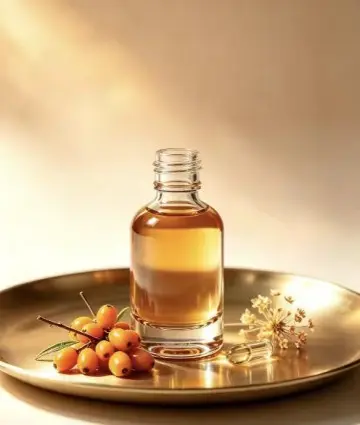
Product name: Sea buckthorn oil
Appearance: Light Yellow Liquid
Odour: Rich, sweet and sour berry aroma. Highly valued in premium skincare formulations.
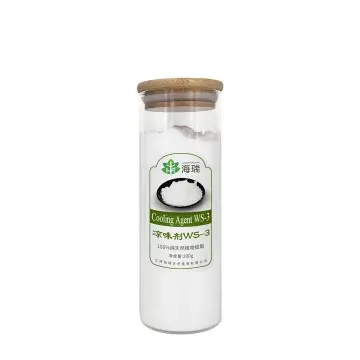
Product name: WS-3
Appearance: White powder
Odour: Cooling smell. Active Ingredient: 99%. CAS NO: 39711-79-0. Essential cooling agent for confectionery & cosmetics.
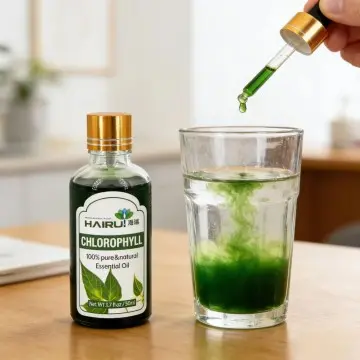
Product name: Chlorophyll
Appearance: Dark green
Odour: No special aroma liquid. Naturally derived stable colorant for food and wellness supplements.
We combine advanced extraction infrastructure with premium agricultural sourcing to deliver standardized materials.
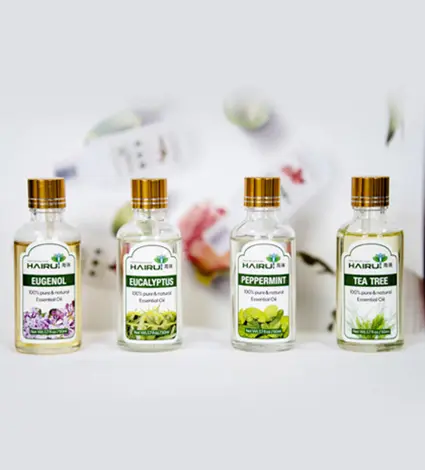
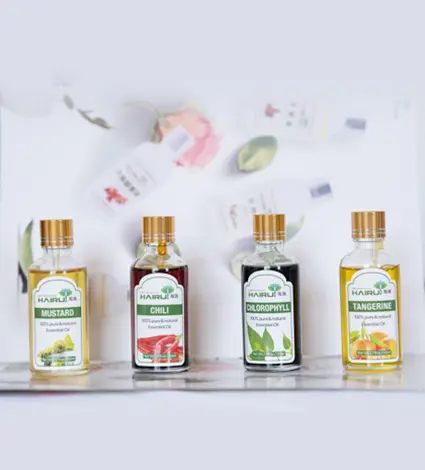
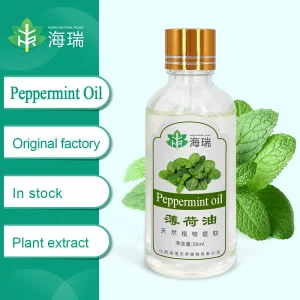
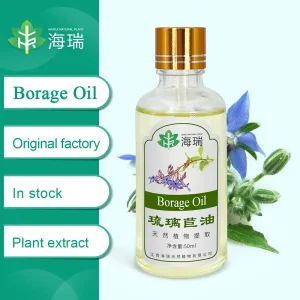
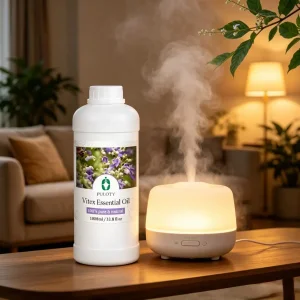
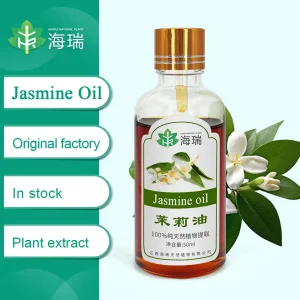
The essential oil usually extracted by steam distillation, cold compression. The raw material used in the production of essential oils, food and cosmetics are the second largest category of our products, such as camellia oil, eucalyptus oil, oregano oil and peppermint oil, etc. Hairui Natural Plant selects high-quality raw materials with high standards, strictly controls and supervises the whole production and extraction process, and adopts strict inspection standards to guarantee our oils to be the premium raw material oils which can be your best choice for your products.
see more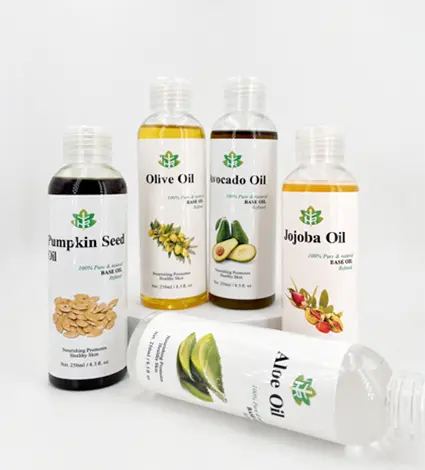
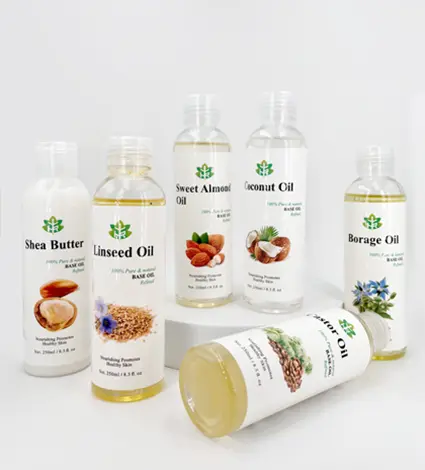
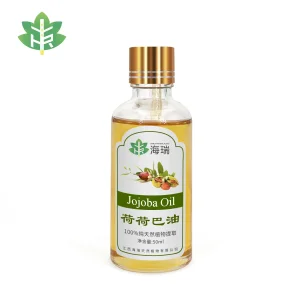
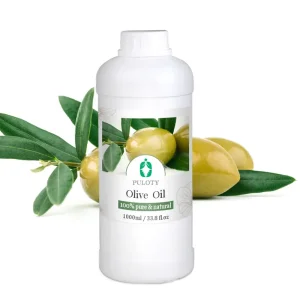
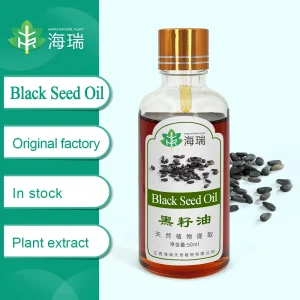
Base oil, also known as medium oil or carrier oil usually extracted by cold compression. Single essential oils cannot be rubbed directly on the skin, they must be diluted in a carrier oil before they can be widely used on our body's skin. Many carrier oils have medical properties of their own. We can extract a variety of vegetable oils.
see more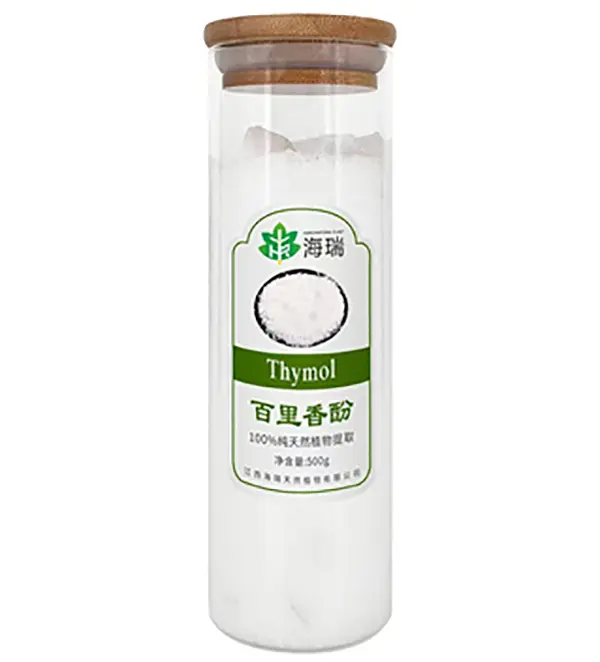
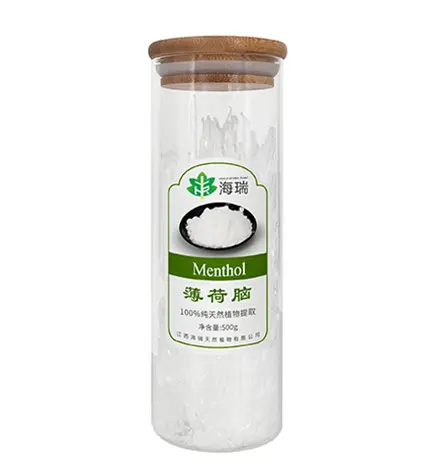
The herbal extract is usually separated by cooling from the essential oil. Premium products come from high-quality raw materials. We have 5000+ acre self-owned raw material production base, where the whole process from seed selection, seedling raising, planting, harvesting, etc., are well supervised and controlled, which ensures the timely supply of the raw materials with excellent quality.
see moreObserve the engineering behind our high-capacity extraction and distillation chambers.
Within the pharmaceutical sector, camphor crystals function as a critical active pharmaceutical ingredient (API) in counter-irritant ointments, topical gels, and local anesthetics. Upon skin application, camphor stimulates nerve endings sensitive to cold and warmth, producing a cooling or heating sensation that effectively masks pain pathways. Our pharmaceutical-grade crystals possess extremely low levels of organic impurities, ensuring stable compounding in formulations alongside menthol and methyl salicylate.
For pest control and preservation, the sublimation characteristics of camphor crystals offer continuous, self-dispersing protection. The crystalline structure vaporizes slowly at room temperature, releasing aromatic fumes that disrupt the respiration of target pests. By producing customized grain sizes, we help manufacturers modulate this sublimation rate, maximizing the shelf-life and efficacy of mothballs, wardrobe sanitizers, and agricultural fumigants.
"The future of camphor chemistry lies in green catalytic routes and synthetic biology. Our engineering team is currently researching bio-catalytic pathways to convert renewable agricultural waste into camphor precursors, reducing the industrial carbon footprint by 40%."
As chemical regulations tighten globally (such as REACH registration in the EU and OSHA workplace rules in the United States), our industrial solutions focus heavily on safety compliance. Our technical roadmap emphasizes solvent-free recrystallization processes to eliminate traces of benzene, toluene, and other volatile organic compounds (VOCs). This green manufacturing philosophy positions us as a top-tier supplier for eco-certified personal care brands and safety-conscious industrial chemical distributors.
A legacy built on scientific excellence, continuous infrastructure investment, and global distribution logistics.


Founded in 2006, Jiangxi Hairui Natural Plant Co., Ltd. is an enterprise that specializes in the production and sale of natural plant essential oil and is located at Jinggang Mountain High-Tech Development Zone, Ji’an. Known as the home of spice, the favorable geographical position here allows us to have more superior, abundant and professional resource of natural plants. Having invested a total of RMB 50 million, the company covers an area of 13,000 square meters and boasts first-class inspection equipment and various testing and inspection facilities, which allow the company to be capable of producing 2,000 tons of natural essential oil.


Hairui Natural Plant only offers natural, safe, effective, and scientifically backed products that are manufactured and tested through rigorous quality control procedures.

Hairui Natural Plant has invested aboundent resources on the upgrading of QA/QC standard and innovation level, and keep on improving our core competitiveness on the quality control and R&D level.

From the strict selection of the raw materials to the final delivery test, all the 9 steps quality control procedures make sure the premium quality of our products. Quick response for supporting you with most optimized solution.
Essential oil usually extracted from the flowers, leaves, seeds, roots, bark, fruits and other parts of the plants, and extracted by steam distillation, cold compression, fat absorption or solvent extraction. Comes out, with a high concentration of aroma and volatility. It can be used in many fields.

For example, the sweet orange oil is a natural orange peel extract, derived from nature, without any residual risk, and has unique advantages of being safe to the ecological environment. orange oil can promote crop leaf respiration and photosynthesis, and promote crop growth. This product can not only be used as an adjuvant, but also can be used alone as a pesticide. It has a good control effect on various diseases and insect pests, a wider range of applications, and more obvious economic benefits.
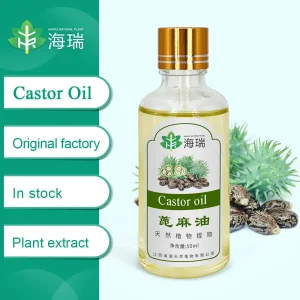
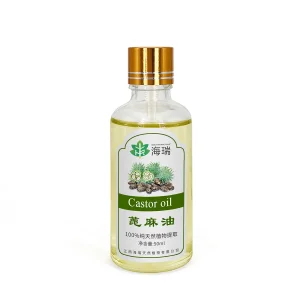
For example the castor oil can promote the growth of hair. When washing hair, use a little castor oil and then massage the hair, which is conducive to the absorption of castor oil. In addition, it can also moisturize the hair and make the hair shiny. At the same time, castor oil can also prevents and treats infections of the scalp.
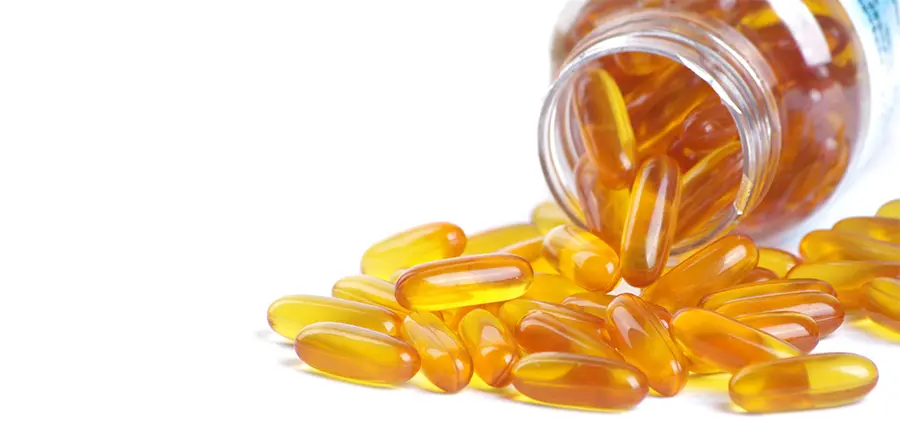
For example, the evening primrose oil main components: r-linolenic acid, magnesium, zinc, copper, vitamin C, E, B6, B5. Among them, the most abundant is about 70% linoleic acid (Linoleic Acid, referred to as LA) and about 7-10% GLA. It can be made into capsules and taken orally to treat cardiovascular diseases, premenstrual syndrome, and menopausal syndrome.
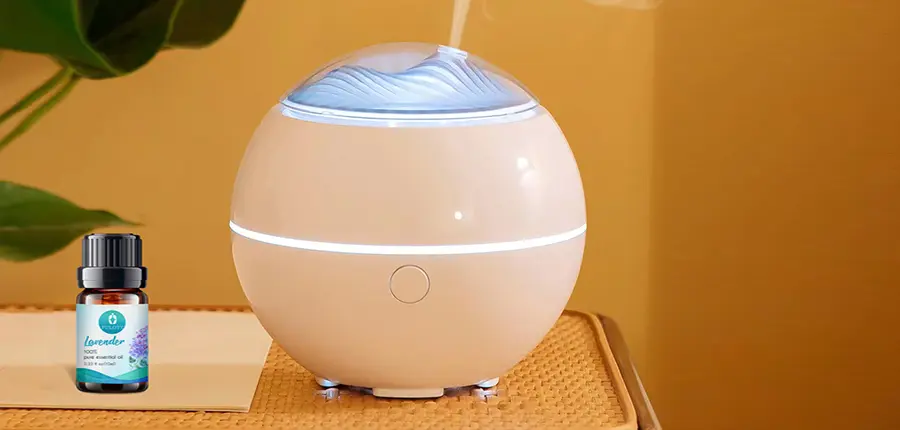
In 1926, Gaitefussey of France burned his finger in an experiment, and he immediately treated the wound with lavender, and the effect was very good. In 1928, he proposed the concept of "aromatherapy" at a scientific conference. For example the essential oil can adjust emotion. The aromatic molecules of essential oils travel through the nasal cavity into the olfactory area of the brain and eventually reach the limbic system, regulating mental state.
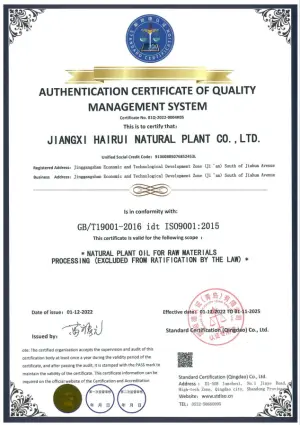
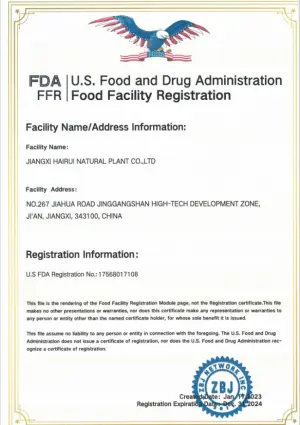
To maintain authoritative supply chains, our industrial testing laboratory uses advanced gas chromatography coupled with mass spectrometry (GC-MS) alongside high-performance liquid chromatography (HPLC) to verify the isomeric purity of camphor batches. Every production lot is systematically tested for moisture content, heavy metal trace elements, and acid value. Our facility adheres to Good Manufacturing Practices (GMP) and is accredited with major global standardization certifications.
For pharmaceutical formulations, we verify optical activity and melting temperature ranges to prevent the dispatch of batches displaying structural deviations. Additionally, we provide comprehensive documentation support, including Certificates of Analysis (COA), Safety Data Sheets (SDS), Technical Data Sheets (TDS), and regulatory dossiers essential for national environmental agencies.
Crucial information regarding purity standards, logistics, custom formulations, and safety regulations.
Natural D-camphor is optically active (+41° to +43°) and extracted from Cinnamomum camphora tree wood and leaves. It is preferred for pharmaceutical applications and traditional medicine due to its natural origin. Synthetic DL-camphor is an optically inactive racemic mixture produced synthetically from turpentine-derived pinene, offering identical cooling efficacy at a more competitive cost structure, making it ideal for industrial products, plasticizers, and repellents.
Since camphor sublimates slowly at room temperature, we package our crystals in hermetically sealed food-grade polyethylene inner liners, which are then placed within robust fiber drums or multi-wall corrugated boxes (typically 25kg net weight). For tropical destinations, we offer foil-barrier packaging and climate-controlled container shipping to prevent clumping and evaporation.
Yes. We provide complete regulatory documentation support, including detailed Certificates of Analysis (COA), Safety Data Sheets (SDS), and technical dossiers. Our manufacturing facilities operate under strict quality management systems, allowing us to align our production batches with USP, EP, and BP standards for active pharmaceutical ingredients (APIs).
Our standard MOQ for wholesale camphor crystals starts at 100 kg. However, discount pricing structures are optimized for pallet-level and full container load (FCL) orders. We also offer custom grain size profiling and contract manufacturing services for regular volume commitments.
Yes. Camphor crystals are classified as a flammable solid under UN 2717, Class 4.1, Packing Group III. Our logistics team handles all standard compliance declarations, dangerous goods packaging, and custom clearances to ensure safe delivery across Asia, Europe, and the Americas.
Direct B2B supply of highly stable carrier oils and active botanical extracts designed for industrial formulation.