Explore our high-purity natural oils and compounds developed for global cosmetics, pharmaceutical, food, and industrial applications.
For procurement officers and R&D formulation specialists in food processing, clinical skincare, and modern pharmaceutical industries.
Sesame seed oil (derived from Sesamum indicum) stands out as a highly stable, nutrient-dense lipid with extensive applications across global supply chains. As a premium lipid, it is valued for its unique combination of monounsaturated and polyunsaturated fatty acids alongside potent endogenous antioxidants like sesamin, sesamolin, and sesamol. Unlike typical vegetable oils, sesame seed oil features excellent thermal stability and oxidative resistance, making it an excellent carrier oil for pharmaceutical preparations, a key active in medical-grade cosmetics, and a nutrient-rich ingredient in premium food production.
From a manufacturing standpoint, sourcing sesame oil from qualified, GMP-compliant facilities is essential. Leading producers utilize advanced technologies such as cold pressing, expeller extraction, and supercritical carbon dioxide (CO2) processes to achieve the purity, clarity, and chemical profiles demanded by international standards. This whitepaper analyzes manufacturing technicalities, chemical profiles, supply chain components, and market dynamics to guide global buyers in making informed sourcing decisions.
Enriched with lignans (sesamin and sesamolin) that prevent auto-oxidation. Features a balanced ratio of Oleic acid (Omega-9) and Linoleic acid (Omega-6), maintaining lipid barrier protection in skincare formulations.
From low-temperature mechanical cold pressing for raw, therapeutic-grade oils to advanced refining processes for high-smoke-point industrial cooking and cosmetic applications.
Adherence to global standards, including USP/EP pharmacopoeia requirements, Kosher, Halal, ISO 9001:2015, and strict maximum residue limits (MRLs) for pesticides and heavy metals.
Understanding macro-market dynamics, demand cycles, and regional standards in industrial lipid procurement.
The global sesame oil market is driven by double-digit growth in natural cosmetics and clean-label foods. According to recent trade data, the demand for cold-pressed sesame oil in cosmetic formulations has increased by over 14% annually. Industrial buyers seek high-quality sesame oil for its stabilizing properties, using it as a carrier for active ingredients that are sensitive to light and heat.
Depending on regional culinary preferences and industrial needs, manufacturers categorize production into refined, crude, light (cold-pressed), and toasted sesame oils. While toasted sesame oil dominates the flavor-enhancer market in East Asia, light and refined cold-pressed oils are preferred in Western pharmaceutical and cosmetic formulations for their neutral scent, pale color, and low free fatty acid (FFA) values.
| Oil Grade | Primary Processing Method | Key Specifications (FFA / Iodine Value) | Dominant Global Markets |
|---|---|---|---|
| Refined Sesame Oil (Pharma/Cosmetic) | Cold pressing followed by steam deodorization & winterization | FFA < 0.1%, Iodine Value: 103-118 g/100g | North America, Western Europe (Carrier for API injection / Hydrating creams) |
| Cold Pressed Light Sesame Oil | Mechanical expeller pressing under 45°C | FFA < 1.0%, High Sesamin retention (>0.5%) | Global Wellness, Ayurvedic formulation, Premium organic food |
| Toasted Sesame Oil (Food Grade) | Seed roasting followed by expeller extraction | Distinct nutty aroma, Moisture < 0.05% | Asia-Pacific, Middle East, international culinary chains |
Innovative engineering pathways ensuring high yield, clean processing, and optimal bio-compound preservation.
Traditional oil extraction methods often struggle with the balance between high yields and preservation of active compounds. Modern B2B factories are shifting toward hybrid technical workflows that combine eco-friendly mechanical processes with advanced refinement. The roadmap below outlines key process improvements implemented by leading facilities to maximize bioactive compound recovery while keeping carbon footprints low.
By using pressurized carbon dioxide at low temperatures, factories can extract pure sesame oil without chemical residues. This premium process keeps the natural sesamin and sesamolin molecules intact.
Using specific enzymes to break down the plant cell walls allows for natural oil release without high heat or solvents, resulting in clean, high-grade carrier oils.
Integrating high-frequency sound waves into expeller machinery reduces processing times and friction-induced heat, protecting sensitive antioxidants from breaking down.
As transparency becomes key to consumer trust, future manufacturing lines will rely on inline NIR (Near-Infrared) sensors to measure fatty acid profiles in real time. Combined with blockchain-tracked agricultural sourcing, global buyers will soon have access to verifiable batch-level data from farm to factory.
How Chinese processing hubs combine agricultural sourcing with advanced logistics to deliver consistent B2B value.

China's sesame oil processing sector has evolved from a regional agricultural industry into an integrated global supplier. Modern manufacturing hubs, particularly in regions with historical spice and seed cultivation expertise like Jiangxi, offer strong advantages in production speed, scale, and supply chain stability.
Key strengths include:
Premium botanical extracts and technical agents featured in our current manufacturing run.
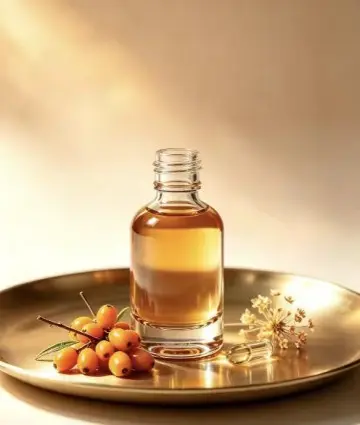
Product name: Sea buckthorn oil Appearance: Light Yellow Liquid Odour: Rich, sweet and sour berry aroma...
read more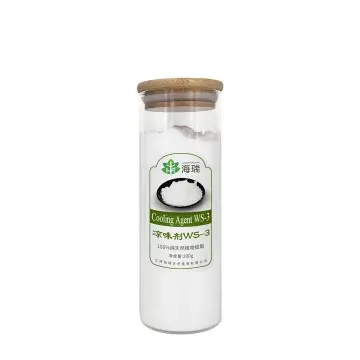
Product name: WS-3 Appearance White powder Odour Cooling smell Ingredient: 99% CAS NO: 39711-79-0...
read more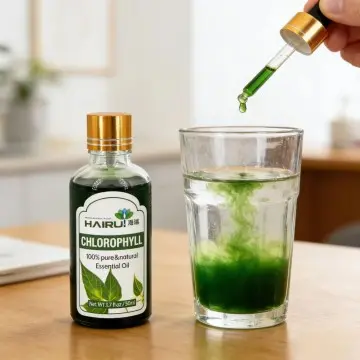
Product name: Chlorophyll Appearance: Dark green Odour: No special aroma liquid Ingredient: Chlorophyll CAS No...
read moreA premier, technology-driven producer of high-grade natural plant extracts and carrier oils.
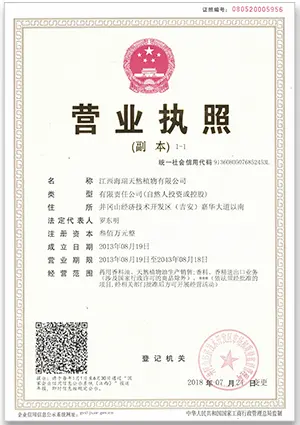
Founded in 2006, Jiangxi Hairui Natural Plant Co., Ltd. is a specialized enterprise focused on the production, development, and sale of premium natural plant essential oils. Our facility is located in the Jinggang Mountain High-Tech Development Zone in Ji’an, Jiangxi Province. Known as the "Home of Spice," this favorable geographic location grants us direct access to rich and diverse botanical resources.
Backed by a total investment of RMB 50 million, our modern facility covers an area of 13,000 square meters. The plant is equipped with first-class inspection systems and advanced chromatography testing instruments, giving us an annual production capacity of 2,000 tons of natural essential oils.
Hairui Natural Plant offers natural, safe, and effective botanical oils supported by clean extraction technology. Every batch is backed by comprehensive analytical testing to meet strict safety and quality standards.
We continuously invest in upgrading our QA/QC procedures and manufacturing workflows. By refining our extraction processes, we maintain strong quality control and product stability.
From careful selection of raw ingredients to final testing, our 9-step quality control process ensures reliable botanical oils for global pharmaceutical, cosmetic, and food applications.
How natural plant extracts and stable carrier oils solve formulation challenges across diverse sectors.
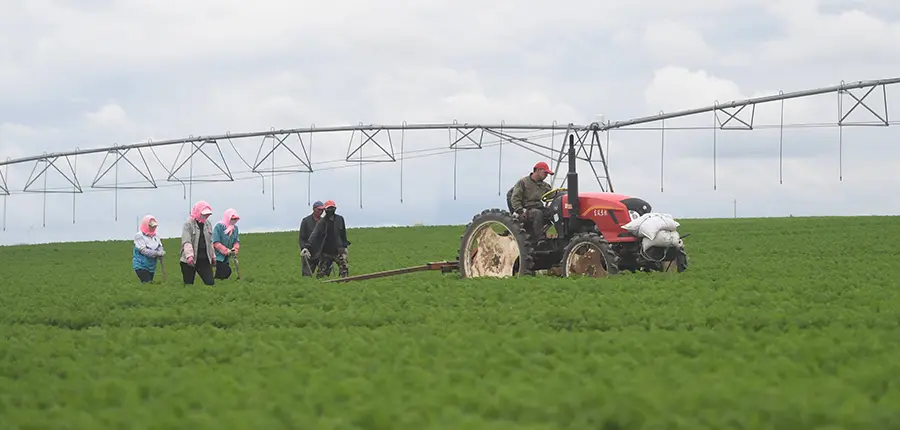
Natural botanical extracts like sweet orange oil serve as eco-friendly adjuvants and organic crop protection agents. They improve crop respiration, enhance photosynthesis, and provide broad-spectrum protection against common pests without leaving chemical residues in the soil.

From nourishing base oils like castor oil that moisturize and support healthy hair to protective oils that soothe the scalp, our botanical lipids provide rich moisturizing benefits and physical barrier support in modern skincare formulations.
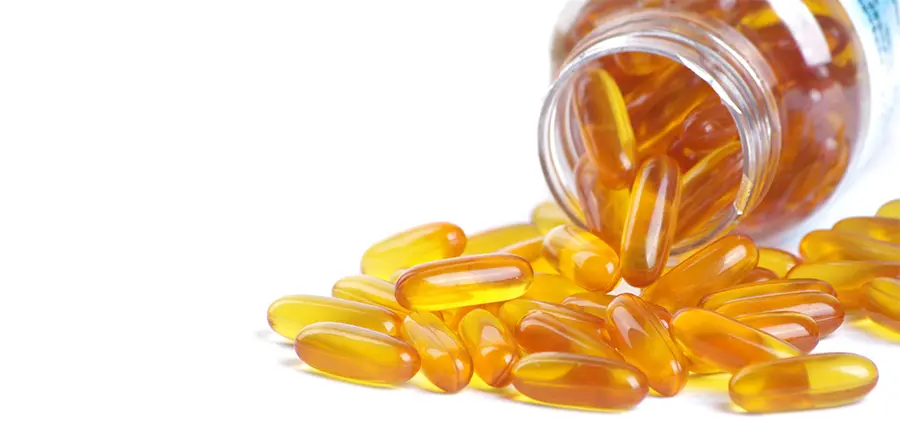
Bioactive lipids, such as evening primrose oil rich in Gamma-Linolenic Acid (GLA), are widely used in softgel capsules to support cardiovascular health, maintain hormonal balance, and provide essential fatty acids for daily wellness.

High-purity essential oils provide soothing aroma profiles for professional aromatherapy. These natural plant volatile compounds help create relaxing environments and support stress-relief formulations.
Take a virtual tour of our extraction facility and see our quality control processes in action.
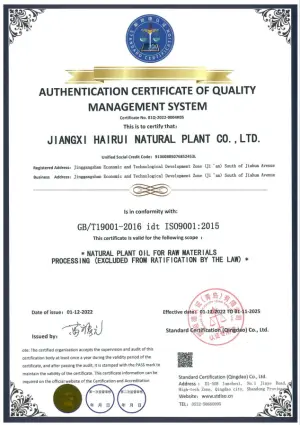
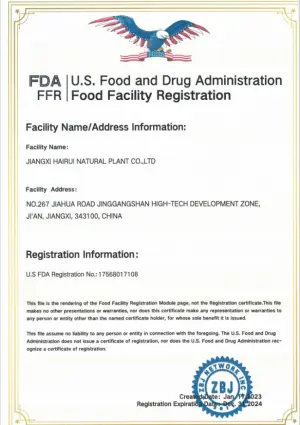
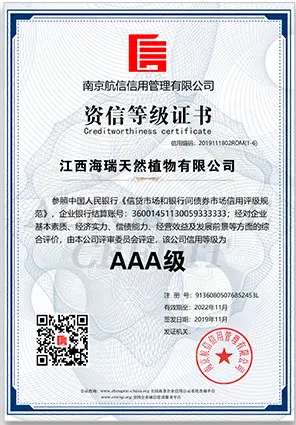
We maintain rigorous production standards verified by recognized international testing protocols.
Quality assurance at Hairui starts at the farm level. Our raw ingredients are sourced from our 5,000+ acre plant cultivation base, where seed quality, soil conditions, and harvest timing are carefully monitored. Once at the factory, every batch of oil undergoes strict testing—including GC-MS analysis, heavy metal limits, and pesticide residue verification—to ensure complete traceability and product safety.
Direct answers to common questions regarding logistics, quality standards, and technical specifications for industrial buyers.
Our raw, unrefined cold-pressed sesame seed oil typically has a shelf life of 24 months when stored in sealed, food-grade steel drums under cool, dry conditions away from direct sunlight. Refined grades can remain stable for up to 36 months due to the removal of trace moisture and free fatty acids during processing.
We test every batch using Inductively Coupled Plasma Mass Spectrometry (ICP-MS) and Gas Chromatography-Tandem Mass Spectrometry (GC-MS/MS). Our products consistently meet international maximum residue limits (MRLs) defined by the European Commission and US FDA, with certificates of analysis (COA) provided for every shipment.
Yes. We offer flexible packaging ranging from 1 kg sample bottles and 25 kg drums up to 190 kg steel drums and 1,000 kg IBC containers. We can also adjust the formulation, viscosity, and color intensity of our oils to meet your specific requirements.
We supply complete documentation for customs compliance, including ISO 9001, Kosher, Halal, MSDS, and complete batch-specific Certificates of Analysis (COA).
Discover our range of carrier and active oils formulated for modern manufacturing.