Premium-grade essential oils and botanical carrier bases certified under global pharmacopeia standards, optimized for industrial cosmetics, food flavors, and therapeutic formulations.
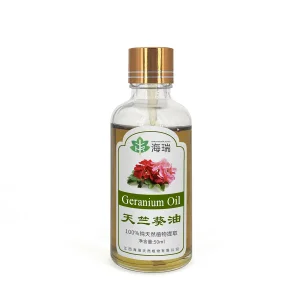
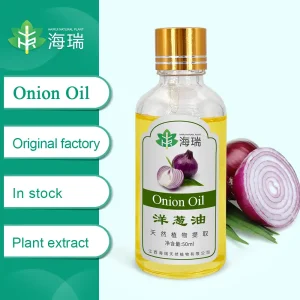
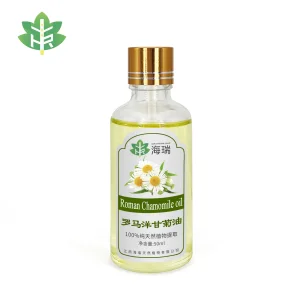
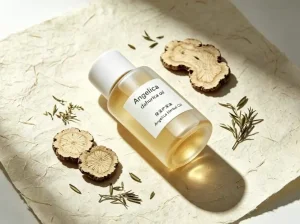
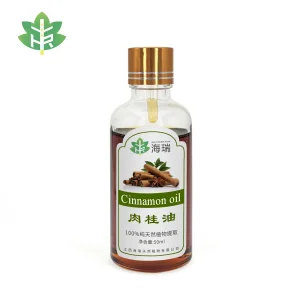
In the global chemical synthesis, food science, and modern agronomy industries, pure botanical extracts have evolved from simple therapeutic ingredients into foundational functional compounds. Among these, Cinnamon Essential Oil (derived primarily from Cinnamomum cassia and Cinnamomum verum) stands out as an indispensable compound. Its high concentration of active compounds, particularly trans-cinnamaldehyde, gives it unique antimycotic, anti-inflammatory, and antimicrobial properties.
However, importing premium cinnamon oil at an industrial scale presents significant challenges. Global procurement departments must balance purity requirements, trace constituent validation, raw botanical sourcing, and volatile market pricing. This technical whitepaper analyzes how high-quality Chinese manufacturing plants utilize local raw materials and advanced extraction technology to support global supply chains.
A primary factor in buying cinnamon oil is differentiating the species. While Ceylon Cinnamon (Cinnamomum verum) from Sri Lanka is prized for its mild aroma in fine culinary uses, Cassia Cinnamon (Cinnamomum cassia), native to Southern China, is the primary source for industrial applications. Chinese Cassia leaf and bark oils are rich in active trans-cinnamaldehyde (typically ranging from 75% to over 90%), making them highly effective for agricultural fungicides, flavor production, and pharmaceutical synthesis.
Explore our highly requested botanical extracts and chemical cooling agents, manufactured under strict quality controls for international markets.
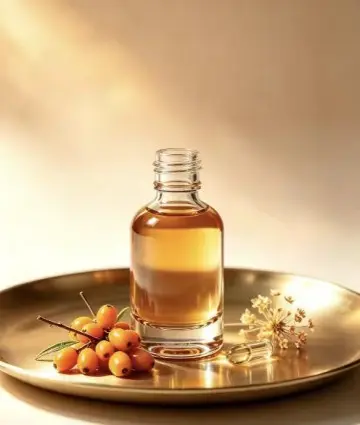
Appearance: Light Yellow Liquid
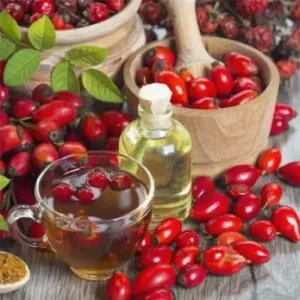
Odour: Rich, sweet and sour berry aroma
Applications: High-end cosmetics, dietary supplements, skin barrier regeneration.
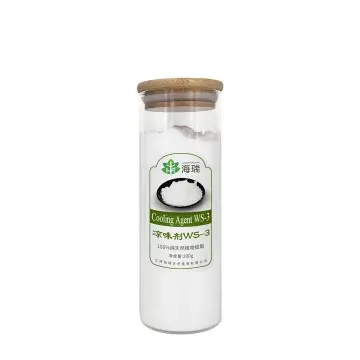
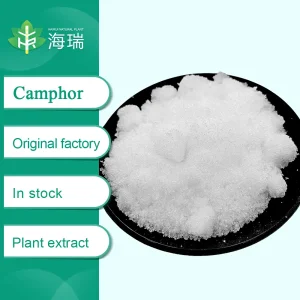
Appearance: White crystalline powder
Purity: ≥99% (CAS NO: 39711-79-0)
Applications: Confectionery, oral hygiene products, cosmetics, e-liquid formulations.
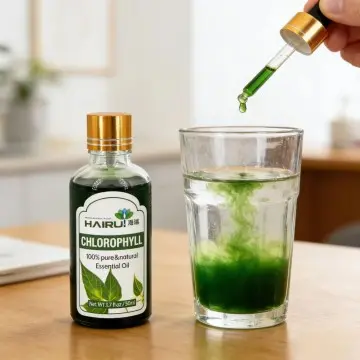
Appearance: Dark green liquid
Odour: Odorless, clean flavor profile
Applications: Natural food coloring agent, dietary detox supplements, cosmetic formulations.
China is a leading global producer and exporter of Cinnamomum cassia derivatives. The country's unique geographical advantages, combined with significant industrial upgrades, make Chinese manufacturing plants highly competitive suppliers for international buyers.
The primary growing regions for Cassia cinnamon in China, including Guangxi, Guangdong, and parts of Jiangxi, feature ideal soil conditions and subtropical climates. This allows for consistent growth of trees with high-potency leaves and bark. Integrated factories, such as Jiangxi Hairui Natural Plant Co., Ltd., operate near these growing regions. This proximity reduces transport times and prevents raw material degradation before extraction.
Modern Chinese extraction plants have moved beyond traditional open-fire distillation. Advanced facilities use closed-loop steam distillation and supercritical CO2 extraction technology. Supercritical CO2 allows for extraction at lower temperatures, preserving volatile compounds and ensuring the final oil is free of thermal degradation products and organic solvent residues.
| Parameters | Traditional Steam Distillation | Supercritical CO2 Extraction | Factory Target Standards |
|---|---|---|---|
| Extraction Temp | 100°C - 105°C | 31°C - 45°C | Optimized per Batch |
| Trans-Cinnamaldehyde % | 75% - 82% | 85% - 93% | Customized (Up to 95%) |
| Heavy Metal Residues | Trace (detectable) | Undetectable | Compliant with EP/USP limits |
| Solvent Residues | N/A (Water) | None (CO2 cycles out) | 100% Solvent Free |
Authenticity is a key concern when sourcing botanical oils. Standardized factories use Gas Chromatography-Mass Spectrometry (GC-MS) and High-Performance Liquid Chromatography (HPLC) to verify every batch of oil. This analytical testing checks for natural compound profiles and confirms the absence of synthetic cinnamaldehyde, phthalate plasticizers, or heavy metal contamination.
Our primary industrial product categories, optimized for cosmetics, veterinary products, agricultural inputs, and pharmaceutical applications.
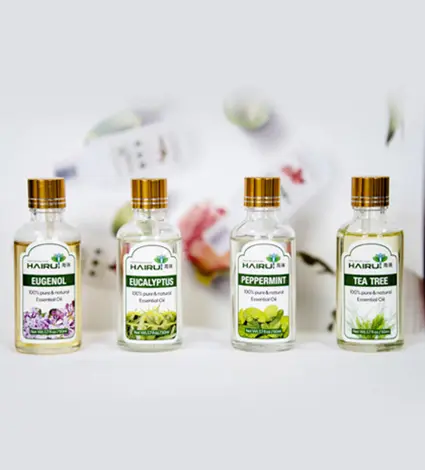
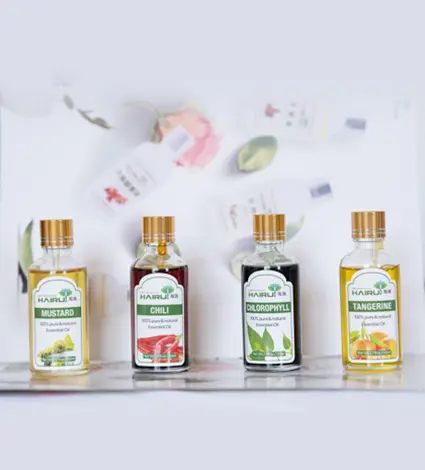
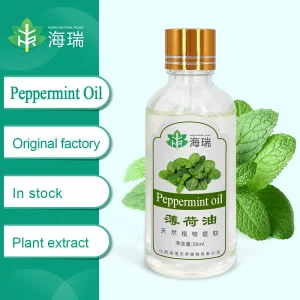
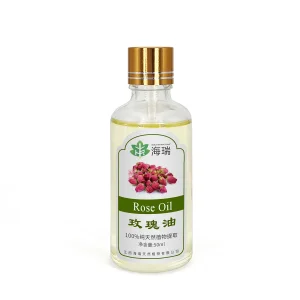
High-purity essential oils extracted using steam distillation and cold compression. Standard offerings include camellia oil, eucalyptus oil, oregano oil, and peppermint oil, developed for cosmetics and food applications.
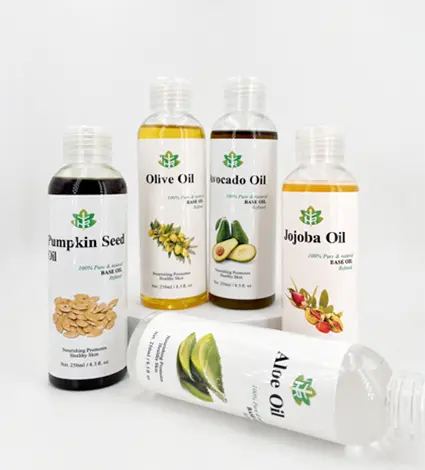
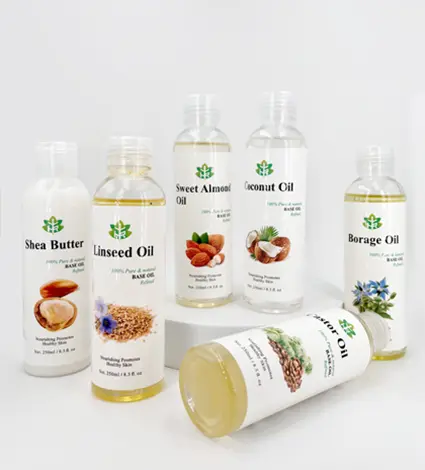
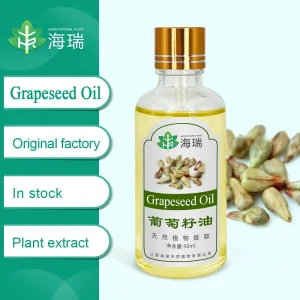
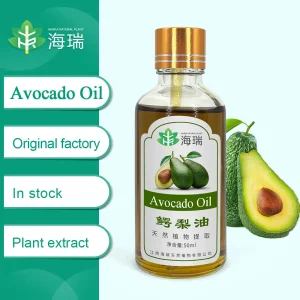
Carrier oils extracted using cold-press methods to preserve therapeutic nutrients. Ideal for diluting active essential oils in cosmetics and skincare formulations, offering moisturizing and barrier-support properties.
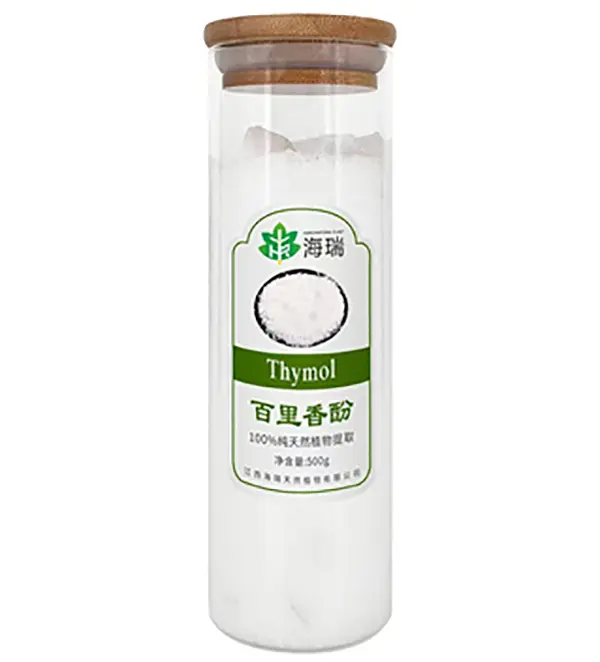
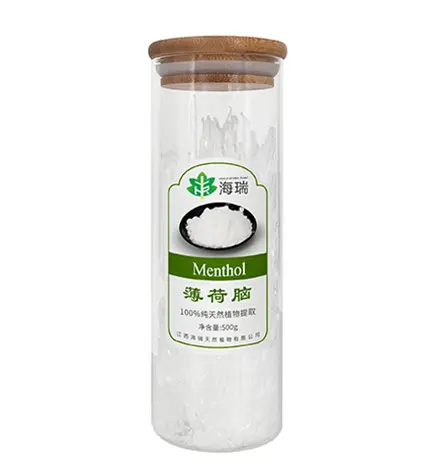
Isolated active compounds separated through cooling or fractional distillation. Sourced from our 5,000+ acre cultivation bases, ensuring consistent supply and batch-to-batch consistency.
See our manufacturing facilities, processing zones, and extraction systems in this short video walk-through.


Founded in 2006, Jiangxi Hairui Natural Plant Co., Ltd. is a high-tech manufacturing enterprise specializing in the production, purification, and export of natural botanical essential oils. Our main plant is located in the Jinggang Mountain High-Tech Development Zone in Ji’an, Jiangxi Province.
Known as a historic production hub for aromatic raw materials, our location provides access to high-quality botanical resources. With a total capital investment of RMB 50 million, our facilities cover an area of 13,000 square meters. We operate advanced extraction, purification, and analytical testing lines, allowing us to produce 2,000 tons of natural essential oils annually.
Explore Factory ProfileFrom raw material sourcing to final product packaging, we ensure trace element control and reliable logistics at every step.

We manufacture natural, safe, and traceable botanical oils and extracts. Every production batch is backed by comprehensive MSDS, COA, and GC-MS profiling sheets to confirm product specifications.

We invest in QA/QC laboratory updates, trace contaminant testing, and processing improvements. Our R&D team can customize active compound concentrations (e.g., cinnamaldehyde ratios) to meet specific buyer requirements.

Our 9-step quality control system monitors processing from crop harvest through distillation to final container sealing. We offer competitive B2B pricing and direct factory logistics to ensure reliable delivery timelines.
Our production scale and export reach support reliable delivery schedules and bulk inventory management for global buyers.


How our high-purity botanical oils serve as functional ingredients across agriculture, personal care, animal nutrition, and therapeutic formulations.

Natural orange peel extract and sweet orange oil function as effective agricultural adjuvants or standalone bio-pesticides. They support crop respiration, improve leaf photosynthesis, and help manage fungal pathogens and insect infestations without leaving chemical residues on food crops.

Cold-pressed carrier oils, such as castor oil, support hair conditioning and scalp health when added to hair care formulations. These oils provide emollient properties and help protect the skin barrier, making them popular bases for functional body lotions and face creams.
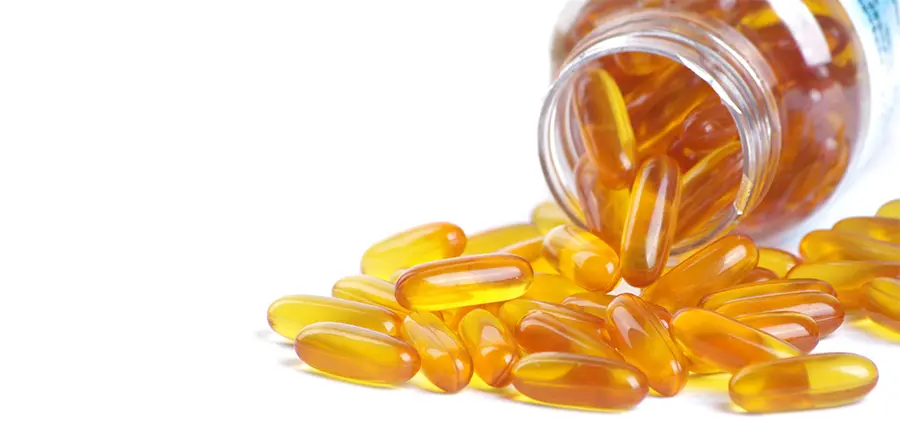
Evening primrose oil, rich in gamma-linolenic acid (GLA) and linoleic acid (LA), is widely used in oral capsule supplements. It is used in formulations targeting metabolic support, hormonal balance, and skin health.

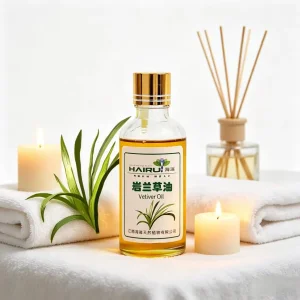
Natural essential oils contain volatile molecules that interact with olfactory pathways. These oils are used in commercial diffusers, home fragrance products, and wellness applications to create specific scent profiles and clean-label room fragrances.
Industrial buyers sourcing essential oils must navigate several supply chain risks. Managing these issues requires collaboration with experienced processing plants that understand export compliance and quality testing protocols.
Essential oils rich in aldehydes, such as cinnamon leaf and bark oils, are sensitive to oxidation. Exposure to air and heat converts active cinnamaldehyde into cinnamic acid, which alters the oil's efficacy, color, and odor profile. Standard factory packaging uses fluorinated HDPE containers or internally coated steel drums. Inert gas purging (using nitrogen) before sealing prevents oxidation during long-distance maritime transit.
High-concentration cinnamon oil (especially batches containing over 80% cinnamaldehyde) may be classified as Class 9 hazardous materials under IMDG regulations due to environmental considerations. Working with a supplier that provides proper MSDS, UN-approved shipping containers, and clear custom declarations helps prevent port delays and transit holds.
Because natural cinnamon bark oil is a premium product, market adulteration is a common challenge. Some suppliers dilute natural oils with inexpensive synthetic cinnamaldehyde. Quality assurance requires isotope-ratio mass spectrometry (IRMS) or chiral gas chromatography to verify that the active components are entirely of botanical origin. Standardized factory shipments are accompanied by certificate analysis data confirming natural botanical purity.
Technical information on certifications, active compound parameters, lead times, and global shipping options.
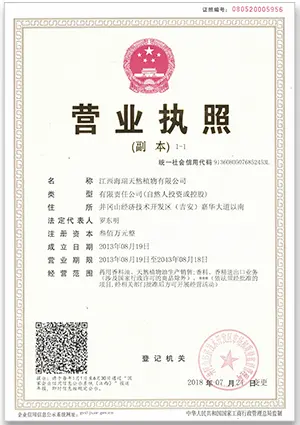
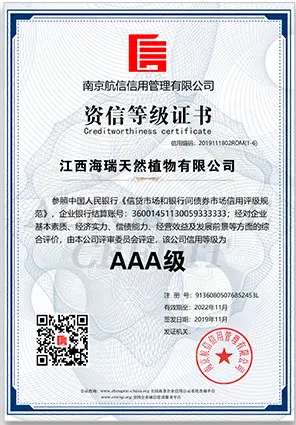
Our facility operates under international quality management systems, ensuring batch-to-batch consistency and export compliance.
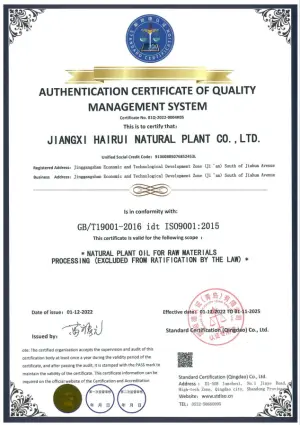
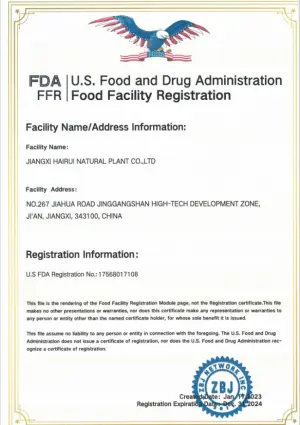
Explore our full line of botanical extracts, plant oils, and natural crystals developed for commercial formulations.