Natural menthol crystals (L-menthol, CAS 2216-51-5) represent one of the most critical plant-derived organoleptic materials utilized in modern industry. Cultivated primarily from the fractional distillation of Mentha arvensis (Cornmint) oil, these crystalline structures are highly prized for their intense cooling sensation, refreshing aroma, and medicinal properties. While synthetic alternatives exist, international consumer preferences have shifted decisively toward 100% natural plant-derived sourcing, driven by clean-label movements in the food, cosmetic, and pharmaceutical sectors.
The global market dynamics of natural menthol crystals are characterized by stringent quality demands. Industrial purchasers require precise purity profiles, typically demanding a minimum L-Menthol assay of 99.0% or higher. The physical characteristics—ranging from large, transparent, needle-like crystals to smaller, fine crystalline structures—play an essential role in dissolution times and formulation stability. Consequently, sourcing from an established factory that controls the entire supply chain from seed selection to crystallization is critical for maintaining consistency in global commerce.
Procuring menthol crystals at scale involves navigating volatile agricultural commodity cycles and geographical concentration risks. Standard raw mint oil yields depend heavily on weather conditions, monsoons, and harvest cycles. Modern global enterprises mitigate these risks by partnering with vertically integrated manufacturers who hold substantial stockpiles and run highly efficient, continuous distillation plants.
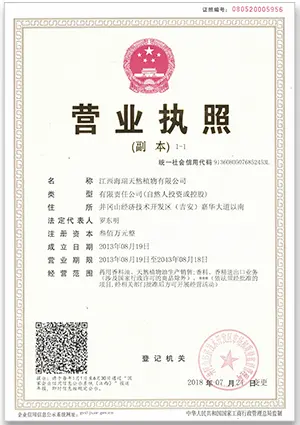
China's role in the global botanical extraction industry is underpinned by superior process technologies, clustering of supply-chain ecosystems, and high-efficiency factory throughput. Located in Ji'an, Jiangxi province, widely recognized as the "Home of Spice," Jiangxi Hairui Natural Plant Co., Ltd. (established in 2006) leverages these local geographical and logistical benefits to offer premium plant extracts to global purchasers.
Our manufacturing facility spans over 13,000 square meters and operates first-class quality control laboratories equipped with advanced Gas Chromatography-Mass Spectrometry (GC-MS) systems. This technological infrastructure enables a rigorous 9-step quality control protocol spanning from raw herb field inspections to pre-shipment crystallization assays. Operating at an annual capacity of 2,000 tons of natural plant oils and crystals, our manufacturing processes guarantee lower thermal footprint, maximum active purity retention, and unparalleled batch-to-batch consistency.
Industrial competitiveness is defined by yield optimization and logistics infrastructure. Chinese essential oil factories utilize highly integrated automation pipelines that combine fractional steam distillation with slow-cooling crystallization chambers. This setup reduces energy consumption per unit of L-menthol by up to 25% compared to older, decentralized operations in south Asia. Furthermore, proximity to major deepwater ports like Shanghai and Shenzhen ensures rapid transit times, complete export clearance documentation, and minimal degradation of heat-sensitive botanical compounds.
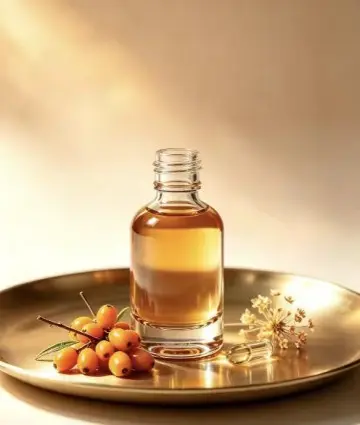
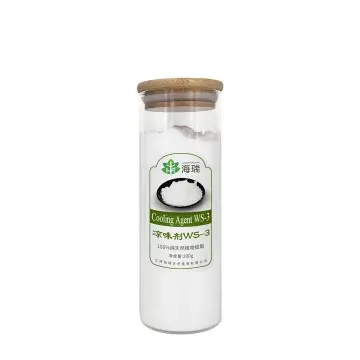
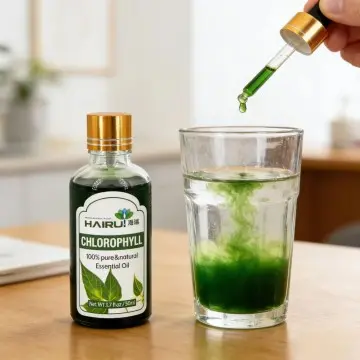
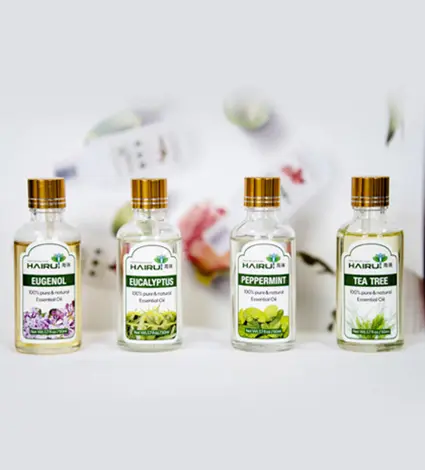
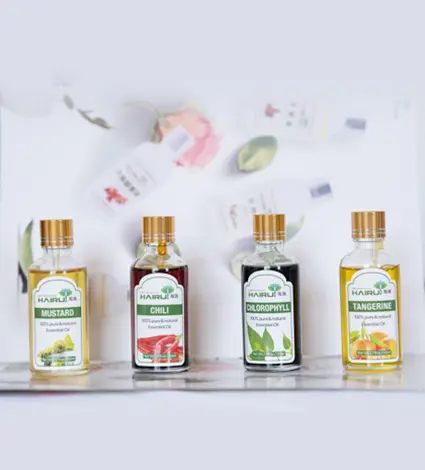
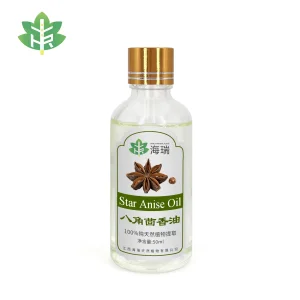
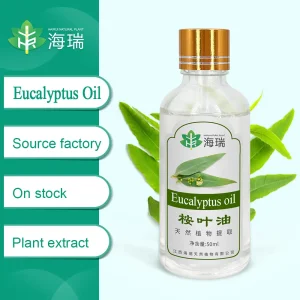
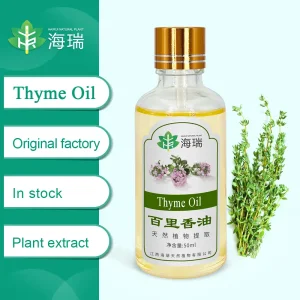
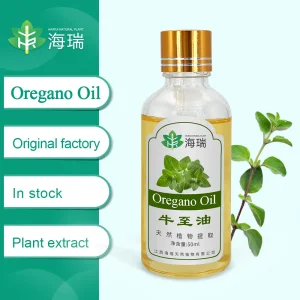
The essential oil line is usually extracted by steam distillation or cold expression. Serving as raw materials for cosmetic, food, and pharmaceutical formulations, this category includes high-demand varieties such as camellia, eucalyptus, oregano, and peppermint oil. Hairui selects premium botanical inputs under rigorous QA/QC guidelines to ensure absolute purity.
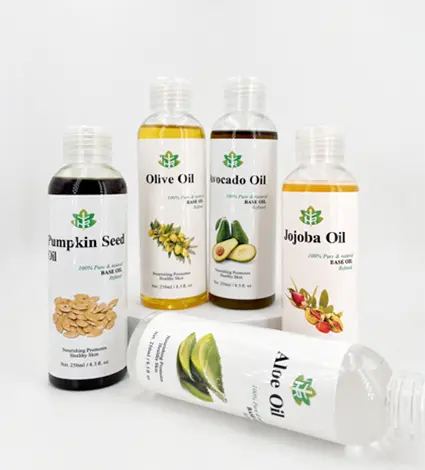
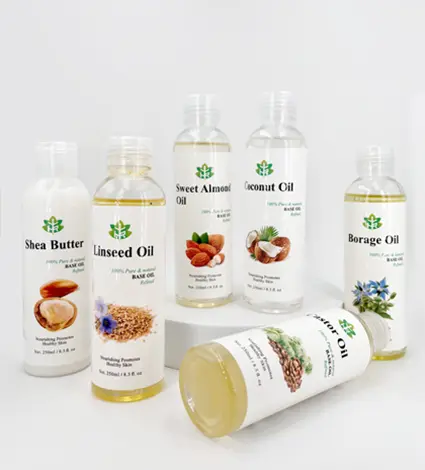
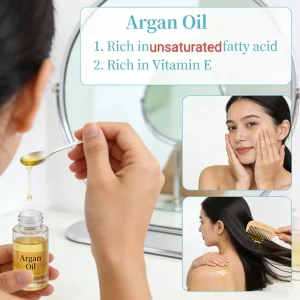
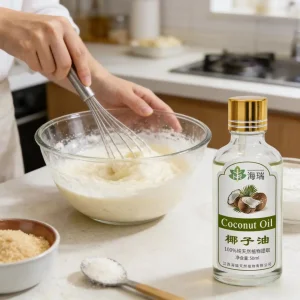
Also categorized as medium or carrier oils, these lipids are typically extracted using cold-compression mechanical systems. Essential for diluting highly concentrated single essential oils to safely apply to dermal layers, our premium base oils exhibit therapeutic properties, ideal for high-end cosmetic and dermatological treatments.
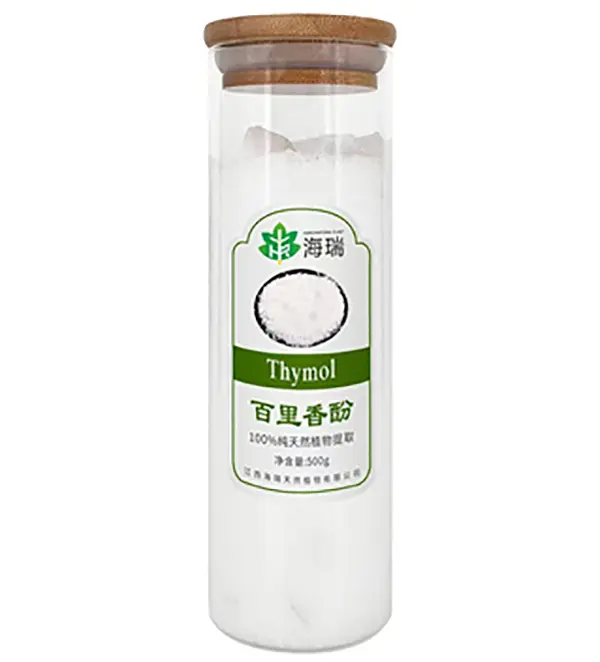
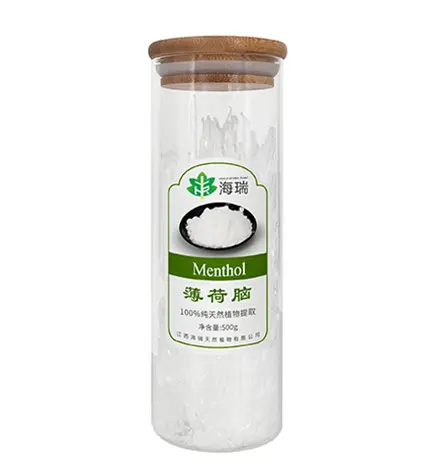
Crystalline herbal extracts, such as natural menthol crystals, are isolated from plant essential oils through slow temperature reduction. We operate over 5,000+ acres of self-owned raw material cultivation bases, ensuring full control over seed selection, crop harvesting, and crystallization, creating highly reliable wholesale channels.
Natural plant derivatives and L-menthol crystals serve specific critical operations within various sectors. The application landscape demands different chemical and physical properties depending on the target system:

Natural plant oils act as excellent, zero-residue alternatives to synthetic agrochemicals. Sweet orange oil, for example, is rich in d-limonene, functioning as a non-toxic pesticide and fungicide. It breaks down insect wax layers, assists crop respiration and photosynthesis, and is safe for the local ecosystem. Natural menthol crystals are similarly deployed in biological pest control, particularly in miticide management for commercial apiculture.
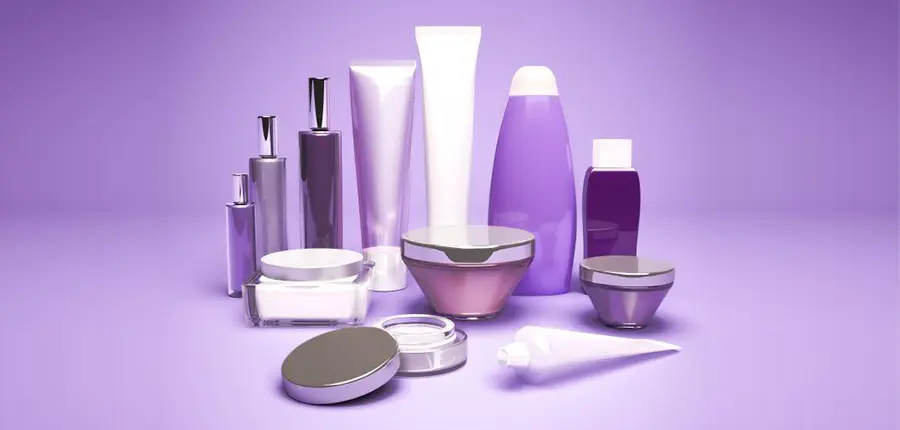
In dermal cosmetics and hair therapy, natural plant oils function as bio-active carrier matrices. Pure castor oil, containing high concentrations of ricinoleic acid, hydrates follicles, improves scalp blood flow, and exhibits antimicrobial properties. In contrast, L-menthol crystals are added to cooling body lotions, anti-dandruff shampoos, and shaving creams to provide sensory tingling and soothe localized skin inflammation.
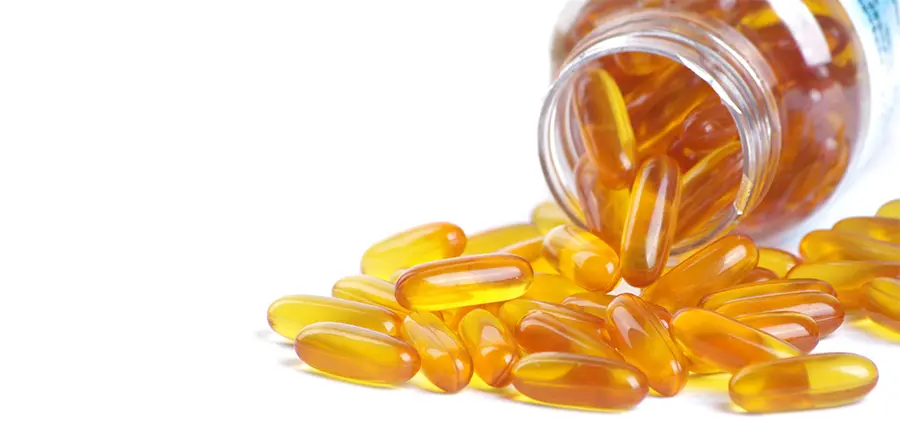
In the pharmaceutical sector, natural menthol crystals are utilized as active pharmaceutical ingredients (APIs) in topical analgesics, cough drops, and nasal inhalers. Furthermore, evening primrose oil (comprising 70% linoleic acid and 7-10% gamma-linolenic acid) is encapsulated for oral formulations. These help treat cardiovascular disease, premenstrual syndrome (PMS), and menopausal symptoms by stabilizing systemic lipid profiles.
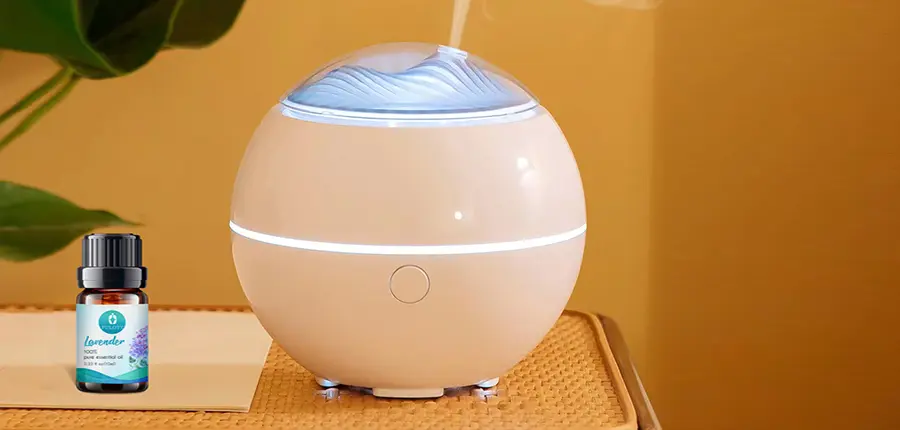
Dating back to scientific breakthroughs in the early 20th century, aromatherapy utilizes volatile botanical oils to interact with the human limbic system. Molecules inhaled from diffusers or burners send immediate neurological signals that influence hormonal balance, heart rate, and stress levels. Pure peppermint oil, sweet orange, and thyme essential oils are widely used to relax the mind, promote sleep, or restore concentration.
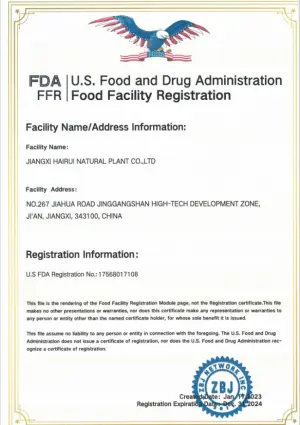
The commercial landscape for natural menthol crystals is moving rapidly toward environmental traceability and high purity assurance. Buyers across the European Union and North America must align with strict chemical registries, including REACH and FDA compliance. Key shifts shaping the future of global botanical procurement include:
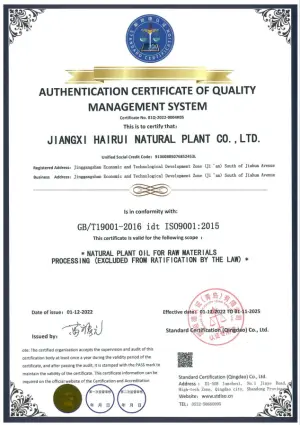
Fulfilling these requirements requires a factory partner capable of processing high volume while maintaining analytical precision. As global regulations tighten, sourcing directly from an ISO-certified Chinese refinery is the most effective way for distributors to maintain steady supply chains and optimize procurement costs.