Industrial-Grade Carvacrol: The Powerhouse Phytogenic Compound
As regulatory boards worldwide impose strict limitations on synthetic preservatives and antibiotic growth promoters (AGPs), global manufacturers and exporters are shifting towards biological alternatives. Among these, Carvacrol (5-isopropyl-2-methylphenol), a monoterpenoid phenol dominant in the botanical families of Lamiaceae (particularly Origanum vulgare), has emerged as a premier bio-active constituent. Offering unmatched antimicrobial, antioxidant, and anti-inflammatory pathways, wholesale carvacrol acts as a key cornerstone for developers of natural preservatives, phytogenic feed additives (PFAs), and functional cosmetics.
1. Broad-Spectrum Antimicrobial Action & Mechanism
The core B2B value of carvacrol lies in its multi-target therapeutic mechanism. Unlike synthetic antibiotics that target specific ribosomal or metabolic actions (creating an evolutionary pressure for bacterial mutation), carvacrol causes physical disruption to the bacterial membrane. In agricultural applications and livestock production, this mechanism ensures that pathogens like Escherichia coli, Salmonella enterica, and Clostridium perfringens fail to develop tolerance over prolonged cycles.
Furthermore, carvacrol is highly effective in disrupting established bacterial biofilms. Biofilms present a massive operational challenge in food processing plants and agricultural irrigation, shielding pathogens from conventional sanitizers. Carvacrol dissolves the extracellular polymeric substances (EPS) matrix, exposing hidden pathogens and reducing overall sanitization cycles.
2. Macro Industry Applications & Global Sourcing Status
From a global market perspective, the demand for natural active compounds is accelerating at a CAGR of over 8.5%. Key importing markets like North America, the European Union, and the Asia-Pacific region are prioritizing clean-label, plant-derived chemical solutions. Here is how wholesale carvacrol is transforming industrial sectors:
Animal Nutrition & Feed Safety
Replacing traditional antibiotic growth promoters (AGPs). Improves gut microflora, enhances nutrient absorption rates in swine and poultry, and prevents necrotic enteritis.
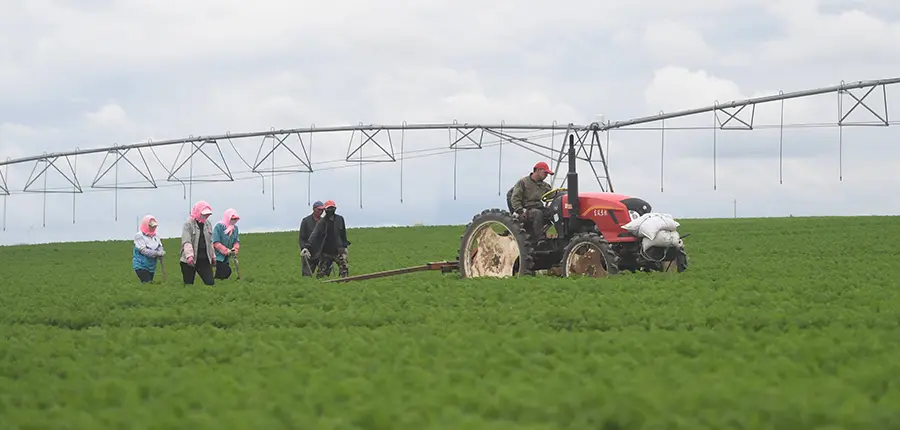
Agricultural Crop Protection
Used as an active botanical pesticide and fungicide. Targets post-harvest decay fungi such as Botrytis cinerea and prevents crop quality degradation without chemical residues.
Food Packaging & Preservation
Integrated into active polymer films to create antimicrobial barrier packaging, drastically extending the shelf-life of fresh proteins, dairy products, and organic produce.
3. Localized Applications & Compliance Frameworks
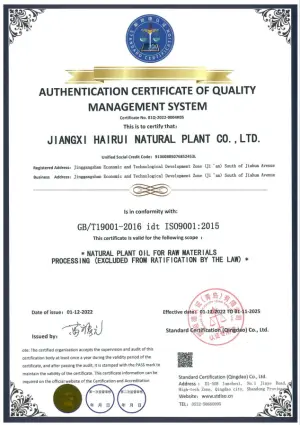
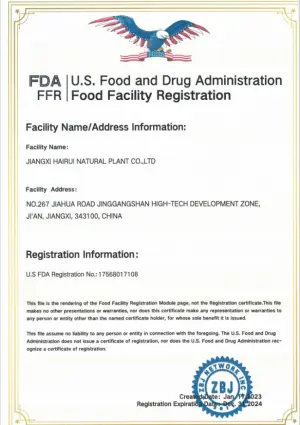
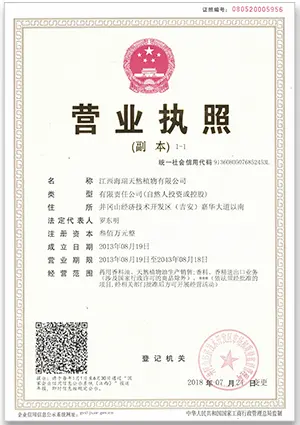
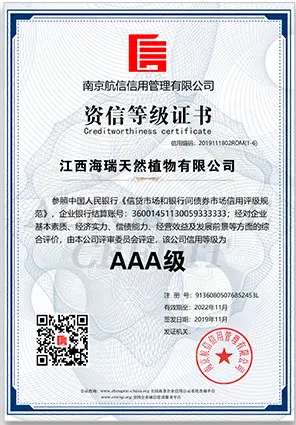
Importing botanical oils like high-purity carvacrol requires adherence to complex domestic legal and technical expectations. As an established global exporter, Jiangxi Hairui Natural Plant Co., Ltd., coordinates close testing regimes to satisfy regional standards:
- North America (US FDA): Meets standard regulations for Generally Recognized as Safe (GRAS) classification for direct dietary inclusion and flavor usages.
- European Union (EFSA): Formulated to meet strict trace-pesticide and heavy-metal limits, registered under feed additive classifications (CoE No. 11213).
- Asia-Pacific (GB Standards & ASEAN Regulatory frameworks): Complies with industrial botanical agent standards for environmental safety and low dermal toxicity ratings.
We work directly with supply chain agents to provide specialized safety documentation, technical specifications, certificates of analysis (COA), gas chromatography-mass spectrometry (GC-MS) data sheets, and Material Safety Data Sheets (MSDS) for swift customs clearing.
4. Scientific R&D and Production Roadmaps
Sourcing high-purity carvacrol relies heavily on manufacturing stability. The traditional method uses steam distillation of wild or cultivated oregano herbs. While organic, this pathway faces climatic yield variations and batch inconsistencies. To circumvent these factors, our technical division utilizes advanced hybrid separation techniques. By combining gentle steam distillation with fractional distillation, we separate high-boiling-point carvacrol fractions, yielding consistent purity profiles up to 99.5% with reduced pesticide profiles.
Looking to the future, we are researching micro-encapsulation techniques. Carvacrol is inherently volatile and sensitive to thermal processing (such as high-temperature feed pelleting). Through nano-encapsulation using food-grade carrier matrices (like cyclodextrins and lipid-based particles), we aim to offer slow-release carvacrol options that withstand extreme industrial conditions, maximizing operational delivery in target environments.