In modern industrial chemistry and botanical pharmaceutical formulations, camphor (Cinnamomum camphora derivative) stands out as an indispensable organic molecule. For global manufacturers and exporters, procuring wholesale camphor is not merely a transaction; it represents a foundational input for agricultural, cosmetic, and therapeutic value chains.
Camphor is characterized by its high volatility, distinctive penetrating aroma, and multi-functional chemical reactivity. Its structure—a bicyclic monoterpene ketone—allows it to act as a plasticizer, a topical analgesic, a natural insect repellent, and an active pharmaceutical ingredient (API). To help procurement officers and global distributors optimize their supply networks, this whitepaper evaluates the industrial benefits of wholesale camphor, examining its technical configurations, manufacturing pathways, quality assurance methodologies, and regulatory environments.
"Strategic supply chain security in the terpenes sector requires more than transactional sourcing. It demands partners who control the supply chain from raw seedling selection to GC-MS verified distillation."
— Jiangxi Hairui Technical Sourcing Advisory
As trade regulations tighten in North America (FDA) and Europe (ECHA under REACH regulations), sourcing high-purity natural camphor is increasingly preferred over petroleum-derived synthetic counterparts. Pure natural camphor, extracted via steam distillation of the wood, branches, and leaves of the camphor laurel tree, offers superior biocompatibility and a cleaner olfactory profile. This distinction is critical for exporters targeting organic-certified consumer goods and premium pharmacological compounds.
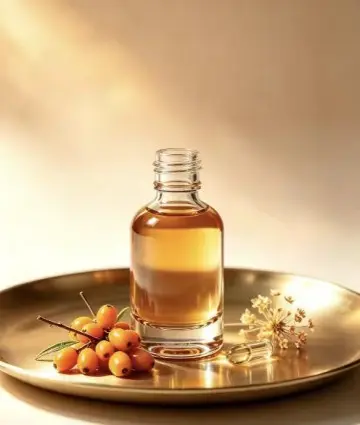
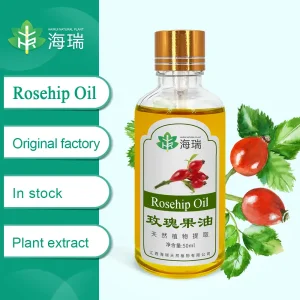
Appearance: Light Yellow Liquid
Odour: Rich, sweet and sour berry aroma
Highly concentrated in palmitoleic acid and vitamins, perfect for premium skincare formulations and nutritional supplements.
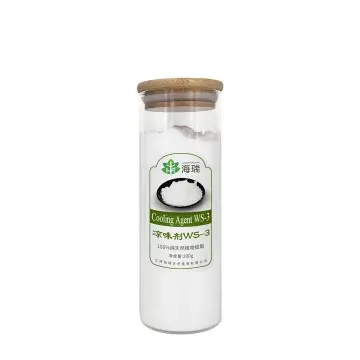
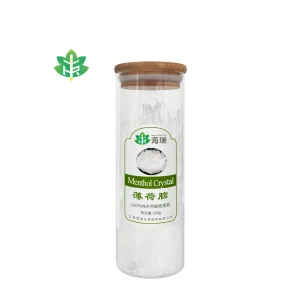
Appearance: White powder
Odour: Cooling smell, active compound ≥99%
CAS NO: 39711-79-0. Provides a long-lasting, clean cooling sensation without the harsh undertones of traditional menthol.
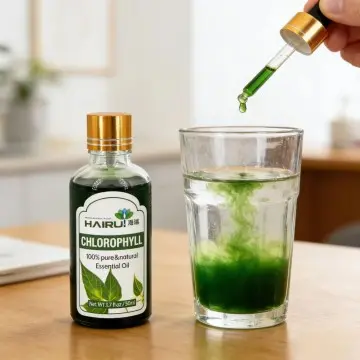
Appearance: Dark green liquid/powder
Odour: Characteristic mild botanical aroma
Optimized for clean-label food colorings, cosmetic pigment bases, and nutraceutical liquid formats.
The commercial value of bulk camphor is directly tied to its isomeric purity and physical parameters. In our advanced extraction plants, we distinguish between natural d-camphor (optically active, derived from plant tissue) and synthetic dl-camphor (racemic mixture, synthesized from alpha-pinene). Natural camphor exhibits a specific optical rotation ranging from +41° to +43°, providing a clean, non-petroleum chemical identity highly valued in therapeutic applications.
| Analytical Parameter | Natural D-Camphor Specification | Synthetic DL-Camphor Specification | Testing Method (Standard) |
|---|---|---|---|
| Assay Purity (GC) | ≥ 98.5% - 99.8% | ≥ 96.0% - 99.0% | Gas Chromatography (GC-FID) |
| Melting Point Range | 176°C - 180°C | 172°C - 179°C | Capillary Melting Method (USP <741>) |
| Specific Optical Rotation | +41.0° to +43.0° (in ethanol) | -1.5° to +1.5° (Inactive) | Polarimetry (USP <781>) |
| Non-Volatile Residue | ≤ 0.05% | ≤ 0.1% | Gravimetric Evaporation Analysis |
| Heavy Metals (as Pb) | ≤ 5 ppm | ≤ 10 ppm | ICP-MS Methodologies |
Our fractional steam distillation process ensures that light terpenes like limonene and pinene are separated cleanly. This maximizes the yield of the core camphor ketones, which are crystallized under controlled temperatures. Understanding these variables is critical for manufacturers who must comply with international pharmacopoeia standards (USP, Ph. Eur., BP) or chemical regulation databases.
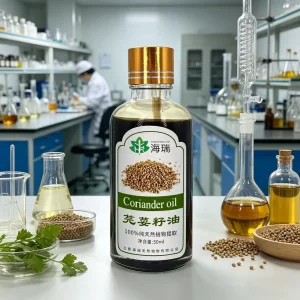
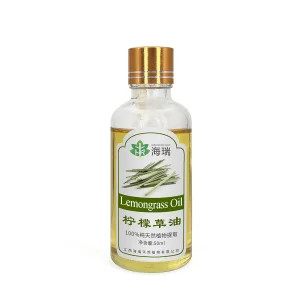
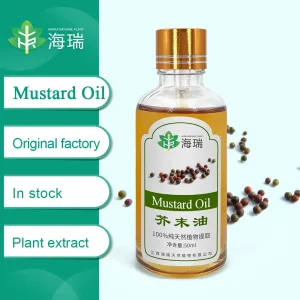
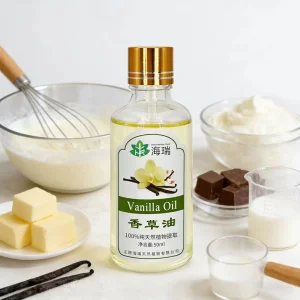
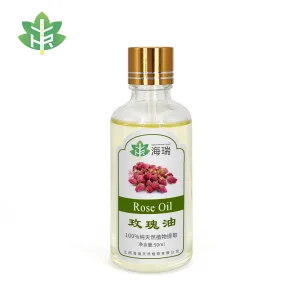
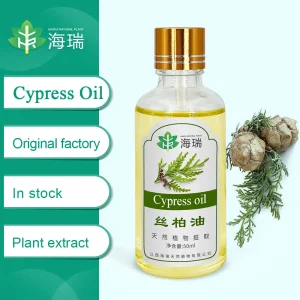
Typically extracted via steam distillation or cold compression. Hairui Natural Plant selects high-quality raw materials with strict standards, controlling and supervising the entire extraction process. We adopt rigorous inspection standards to ensure our oils (such as eucalyptus oil, oregano oil, and peppermint oil) serve as premium ingredients for food and cosmetics.
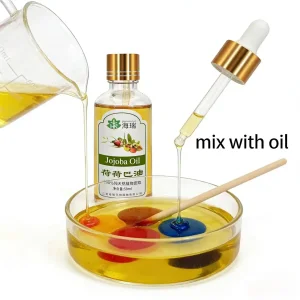
Also known as medium or carrier oils, these are typically extracted by cold compression. Because single essential oils cannot be applied directly to the skin, they must be diluted in a carrier oil. Many carrier oils have valuable properties of their own, and we extract a wide range of vegetable oils to suit these formulation needs.
Our herbal extracts are separated by cooling directly from the essential oils. High-quality products come from high-quality raw materials. We manage a self-owned raw material production base of over 5,000 acres, supervising seedling raising, planting, and harvesting to ensure a stable supply of premium botanical inputs.
Founded in 2006, our production facilities are located in the Ji'an High-Tech Development Zone, Jiangxi Province. As an enterprise specializing in natural plant essential oils, we utilize the abundant botanical resources of the Jinggang Mountain region.
With an investment of 50 million RMB, our facility covers 13,000 square meters. We are equipped with state-of-the-art testing equipment, enabling a production capacity of 2,000 tons of natural essential oils annually.
For business-to-business buyers, importing wholesale camphor serves multiple specific manufacturing applications. By partnering with a vertically integrated supplier like Hairui, clients can choose customizable delivery formats, including block, powder, and liquid essential oil matrices, depending on their production setup.
Camphor acts as a mild local anesthetic and counter-irritant. In ointments, balms, and liniments, it stimulates sensory nerve endings, relieving itching, irritation, and muscular discomfort. It is also widely used in respiratory rubs to soothe chest congestion.
Its powerful natural repellency makes camphor a key ingredient in organic pesticides and grain storage protectants. Unlike synthetic chemicals, natural camphor breaks down in the soil without leaving toxic residues, matching the standards of modern bio-agriculture.
In low percentages (typically 0.1% to 1%), camphor is added to toners, acne treatments, and cooling lotions for its refreshing sensation and purifying qualities. It helps clarify oily skin while providing a fresh, clean scent.
Camphor functions as an intermediate in producing specialty polymers, plasticizers, and stabilizers. Natural options offer reliable carbon purity, supporting green chemistry initiatives across commercial manufacturing sector.
Natural extracts play a vital role across multiple industries, showing significant economic and environmental advantages over synthetic chemicals.

Natural orange peel extracts, for example, promote crop leaf respiration and photosynthesis without chemical residue risks. Orange oil can be used alone or as an adjuvant, providing effective control against pests while supporting environmental safety and agricultural yields.

Ingredients like castor oil are widely used in hair care products, creams, and body lotions. Castor oil moisturizes, adds shine, and helps prevent scalp infections. Massage application enhances absorption, protecting the skin barrier.
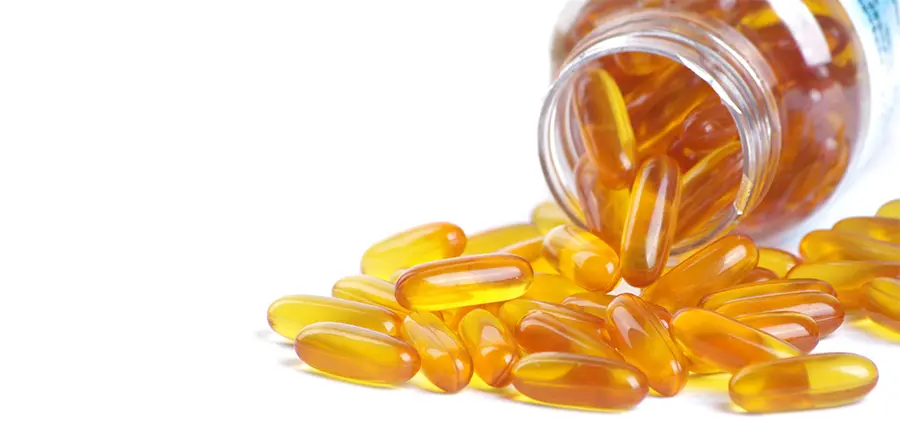
Evening primrose oil is highly valued for its high gamma-linolenic acid (GLA) and linoleic acid content. It is formulated into dietary capsules to help treat cardiovascular health, premenstrual syndrome (PMS), and menopausal symptoms.

Essential oil molecules enter the olfactory system and influence the brain's limbic center, which controls memory and emotion. This natural mechanism regulates mood, reduces stress, and promotes sleep, making aromatherapy a staple of modern wellness.
As global chemical policies favor renewable raw materials, the camphor supply chain is shifting. Consumers increasingly reject petroleum-based synthetic options in favor of natural, renewably sourced terpene derivatives. This transition is driving key supply chain developments:
Jiangxi Hairui Natural Plant Co., Ltd. supports this transition by maintaining strict control over its 5,000-acre agricultural sourcing footprint and investing continuously in our QA/QC systems.
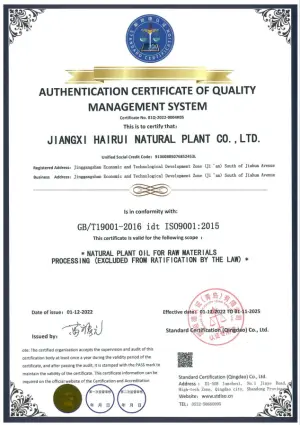
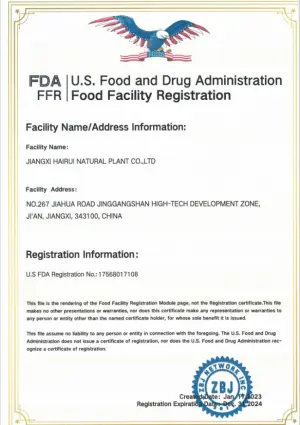
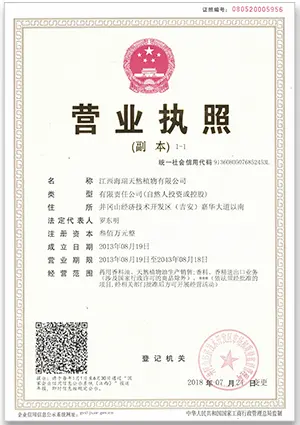
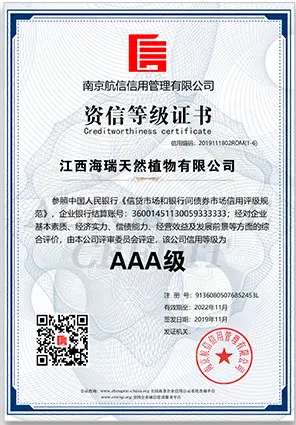
We maintain strict production and quality control systems verified by recognized global testing standards, ensuring purity, safety, and traceability for international markets.