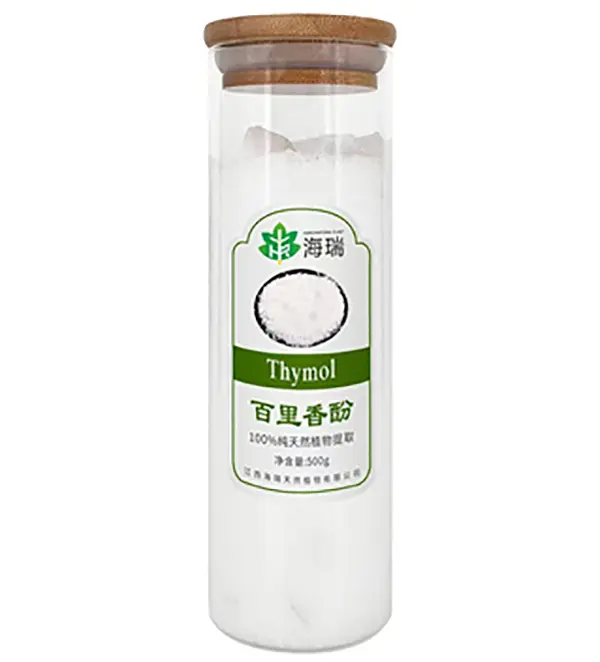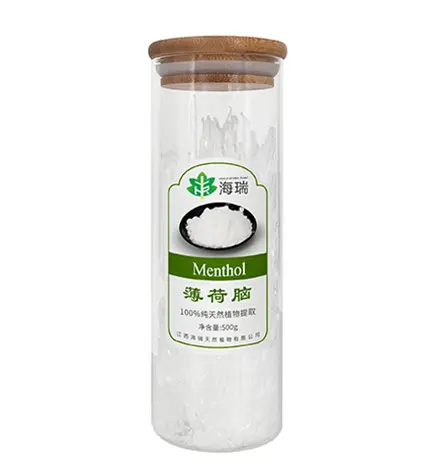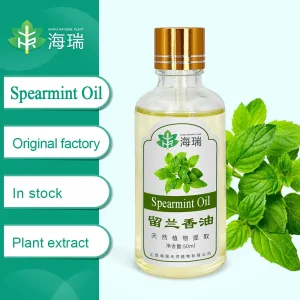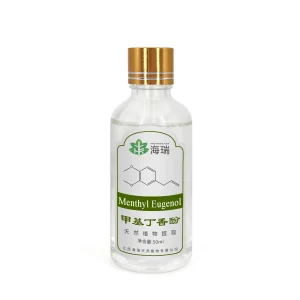
Natural menthol, primarily extracted in the form of L-menthol from the essential oil of Mentha arvensis (cornmint) or Mentha piperita (peppermint), remains one of the world's most sought-after organoleptic compounds. Global demand spans sectors from pharmaceuticals and oral hygiene to food production and bio-pesticides. For modern B2B buyers, finding a reliable, high-purity natural menthol factory that can supply wholesale volumes without compromising structural integrity is a major procurement objective.
Historically, the global natural menthol market has experienced extreme price volatility. This fluctuation is driven by weather patterns in major agrarian cultivation centers, geopolitical impacts on logistics, and variations in agricultural output quality. While synthetic menthol (manufactured using chemical processes starting from thymol, m-cresol, or citronellal) exists, natural L-menthol remains the gold standard. Global consumers strongly prefer natural ingredients over synthetic alternatives due to safety, regulatory requirements, and the clean sensory profile of natural botanical extractions.
For pharmaceutical formulation developers and consumer goods manufacturers, procuring natural menthol crystals from a certified Chinese factory offers an ideal blend of cost-efficiency and reliable supply chain integration. Leading factories utilize advanced automated distillation and crystallizing systems, stabilizing the supply chain against market shocks.
High-purity natural menthol is a secondary metabolite of the Mentha genus, structurally classified as a monocyclic terpene alcohol containing three asymmetric carbon atoms. Because of this stereochemical configuration, natural menthol exists strictly as the L-isomer (1R, 2S, 5R), which provides the strong physiological cooling sensation that defines the compound. Synthetic variants often consist of racemic mixtures (DL-menthol) that only deliver about half the cooling efficacy of the natural L-isomer.
At professional processing facilities, the extraction process begins with the steam distillation of freshly harvested cornmint leaves. The resulting crude peppermint oil contains approximately 70% to 80% L-menthol. To isolate this compound with a purity level exceeding 99.5%, advanced factories use a series of physical crystallization processes:
Crude peppermint oil undergoes vacuum fractional distillation under tight temperature controls to separate lighter terpene fractions (such as pinene, limonene, and menthone) from the heavy menthol-rich core.
The purified oil is moved to crystallizing vats where the temperature is reduced at a controlled rate of 0.5°C per hour. Slow cooling prompts L-menthol molecules to assemble into clean, needle-like crystals.
The crystal slurry is loaded into industrial centrifuges operating at high G-forces. This spin-drying step separates remaining liquid oils (dementholized peppermint oil or DMO) from the solid crystals.
To ensure pharmaceutical-grade quality, the final crystals are dried in cleanroom environments to remove trace moisture. The resulting product is characterized by a melting point of 41°C to 44°C and a specific optical rotation of -49° to -50°. The factory monitors these parameters using Gas Chromatography-Mass Spectrometry (GC-MS) to guarantee pure, solvent-free batches.
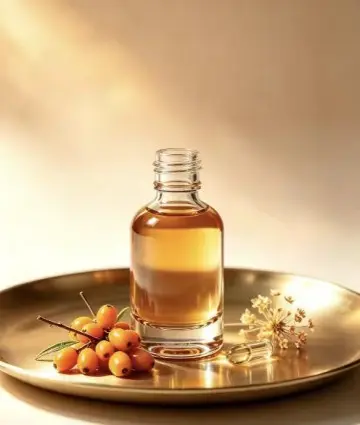
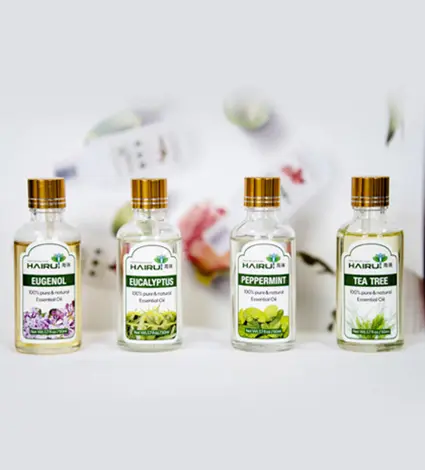
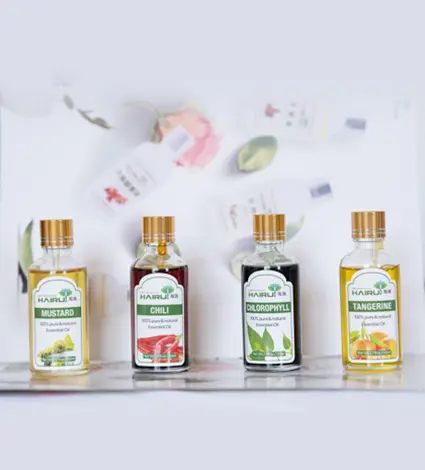
Product name: Sea buckthorn oil. Appearance: Light Yellow Liquid. Odour: Rich, sweet and sour berry aroma. Derived via eco-friendly extraction pathways preserving key bioactive compounds.
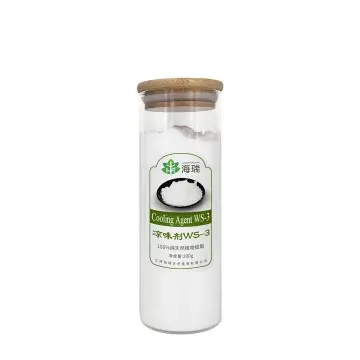
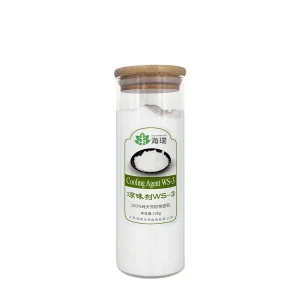
Product name: WS-3. Appearance: White powder. Odour: Cooling smell. Ingredient: 99% CAS NO: 39711-79-0. Delivering clean, prolonged sensory cooling properties.
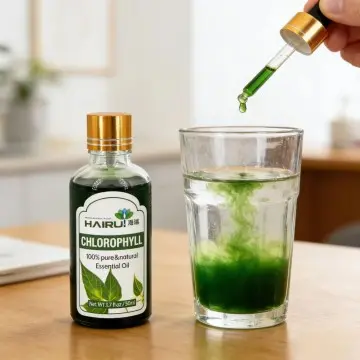
Product name: Chlorophyll. Appearance: Dark green. Odour: No special aroma liquid. Ideal for natural colorant and health formulation applications.
Menthol's signature cooling sensation is not a thermal reaction, but a chemical activation of the body's cold receptors. Specifically, L-menthol binds to the Transient Receptor Potential Melastatin 8 (TRPM8) ion channel, a temperature-sensitive receptor in sensory neurons. By binding to TRPM8, menthol initiates a calcium ion influx that mimics the neural response of exposure to cold temperatures.
This biological mechanism makes L-menthol an important ingredient in formulations designed to relieve discomfort. When applied to the skin or mucous membranes, it acts as a mild local anesthetic and counter-irritant, reducing the perception of pain, itching, and congestion. In oral care applications, it triggers a strong sensory response that consumers associate with cleanliness and freshness.
For international procurers, sourcing L-menthol from a reputable Chinese manufacturer offers distinct advantages in scale, cost management, and technology. Located in the Jinggang Mountain High-Tech Development Zone in Ji'an, Jiangxi Province—often called the "home of spice"—Jiangxi Hairui Natural Plant Co., Ltd. has established an integrated production infrastructure designed for global markets.
China's efficiency advantages in botanical manufacturing are built on several key factors:
Take a virtual tour of Jiangxi Hairui Natural Plant Co., Ltd. and explore our modern distillation and extraction systems.
Founded in 2006, Jiangxi Hairui Natural Plant Co., Ltd. is an enterprise specializing in the production and sales of natural plant essential oils. We are located in the Jinggang Mountain High-Tech Development Zone, Ji'an, Jiangxi Province. Known as the home of spice, this geographical position provides us with abundant access to premium natural plant resources.
Having invested a total of RMB 50 million, our company covers an area of 13,000 square meters and features first-class testing and inspection facilities, enabling an annual production capacity of 2,000 tons of natural essential oils.

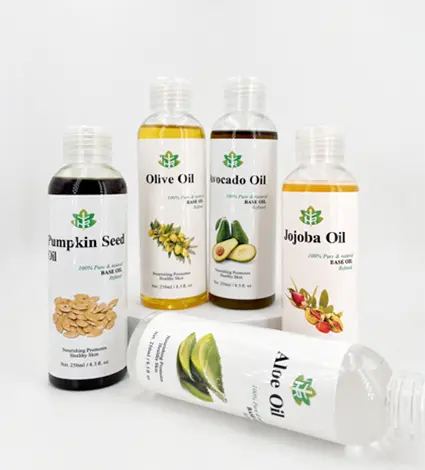
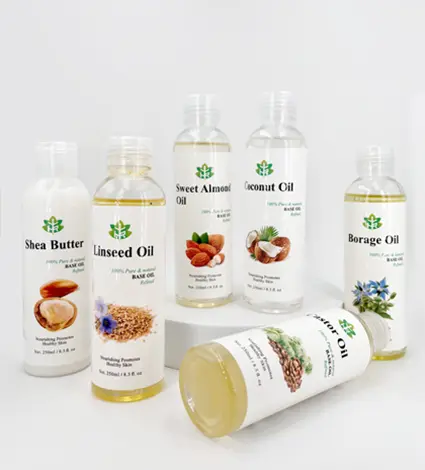
Essential oil compounds like L-menthol and associated carrier oils are utilized across diverse industries due to their high concentration of aroma, volatility, and therapeutic benefits.

Sweet orange oil, a natural orange peel extract, offers eco-friendly agricultural benefits with no residual chemical risk. It promotes crop leaf respiration and photosynthesis, enhancing growth. Used alone or as an adjuvant, it provides effective control against a range of plant diseases and pests.
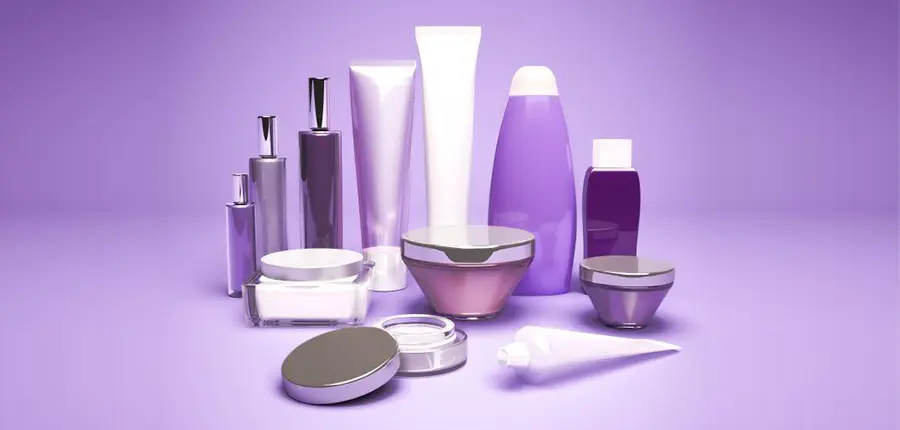
Castor oil is widely used to promote hair growth and lock in moisture. Massaging a small amount into the hair and scalp during washing supports absorption, leaving hair shiny while helping to protect the scalp from common irritations.
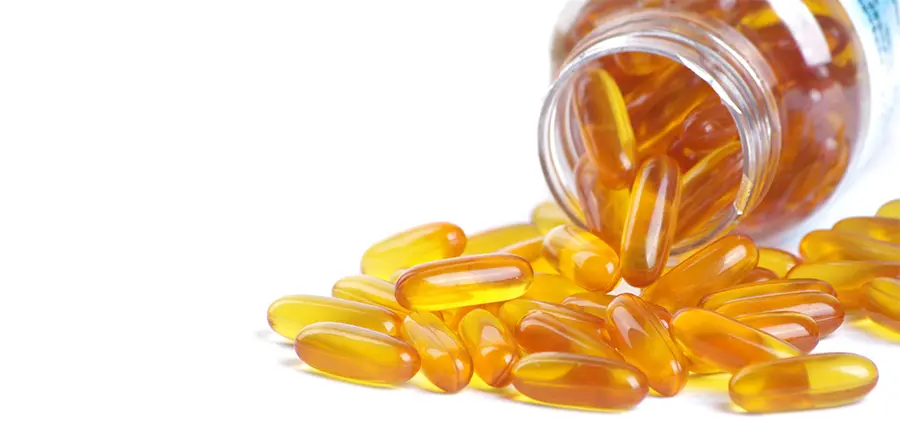
Evening primrose oil is rich in gamma-linolenic acid (GLA, 7-10%) and linoleic acid (LA, ~70%), along with key minerals and vitamins. Formulated into capsules, it supports cardiovascular health, premenstrual balance, and menopausal comfort.
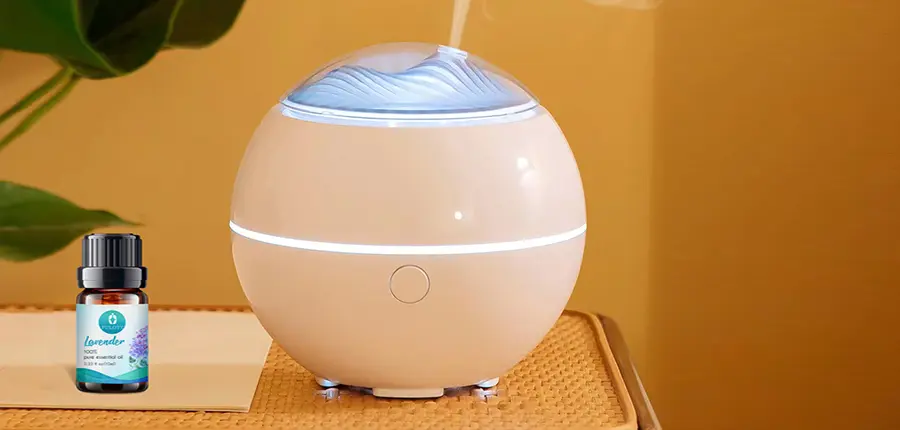
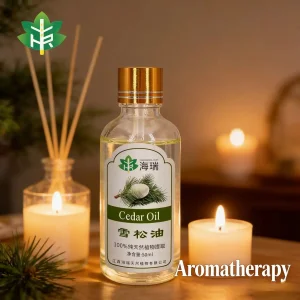
Coined in 1928 by French chemist René-Maurice Gattefossé, aromatherapy utilizes aromatic molecules to stimulate the olfactory system and limbic structures. Different botanicals target specific responses, helping to relax the mind, support sleep, or boost energy.

Hairui Natural Plant offers natural, safe, effective, and scientifically backed products manufactured and tested through rigorous quality control procedures.

We invest significant resources into upgrading our QA/QC standards and driving product innovation, continually enhancing our core competitiveness in R&D.

From the selection of raw materials to final delivery testing, our 9-step quality control process ensures premium quality, supported by fast response times and optimized solutions.
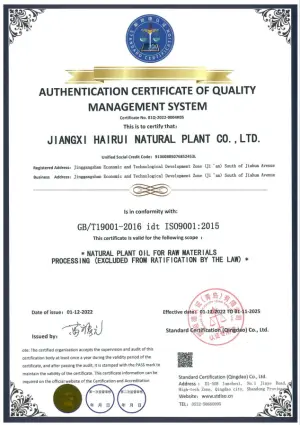
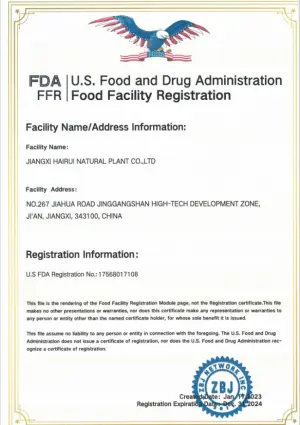
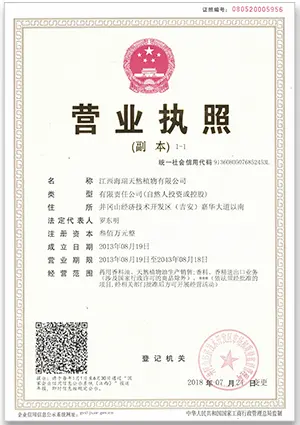
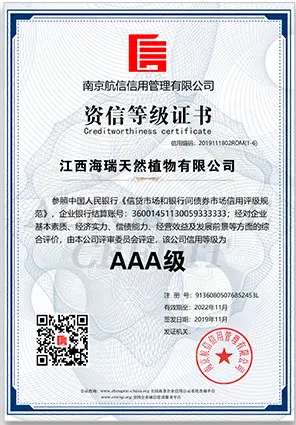
Our facility is fully certified to meet the quality and safety standards required by global markets, including pharmaceuticals, cosmetics, and food production.
When importing natural menthol crystals in bulk, physical handling and storage conditions are critical. Menthol is a volatile compound with a low melting point (41°C to 44°C). If exposed to high temperatures during transit or storage, the crystals can melt and form a solid block, making them difficult to process.
To address this, our factory uses packaging and shipping solutions designed to preserve the crystalline structure of the product:
We package natural L-menthol crystals in standard 25kg fiber drums lined with double-layer, food-grade polyethylene bags. This seals the crystals against moisture and prevents the loss of volatile aromas.
During hot seasons, shipments are dispatched in temperature-controlled reefer containers maintained below 25°C. This prevents melting during sea and land transport, ensuring the product arrives in its original crystalline form.
Every shipment is accompanied by a Certificate of Analysis (COA), Gas Chromatography (GC) reports, MSDS documentation, and export clearance certificates to ensure smooth customs processing.
Explore answers to common technical, logistics, and quality questions from procurement professionals.
Natural L-menthol is extracted directly from cornmint (Mentha arvensis) oil, resulting in a single enantiomeric structure (1R, 2S, 5R) with a clean, intense cooling profile. Synthetic menthol is often produced as a racemic mixture of D- and L-isomers (DL-menthol). The D-isomer has significantly weaker cooling properties, making natural L-menthol much more effective.
Our quality assurance process spans every stage of production, from raw mint crop selection to final crystallization. Every batch is analyzed using Gas Chromatography-Mass Spectrometry (GC-MS) to verify that the L-menthol content exceeds 99.5% and to ensure the product is free from heavy metals, solvents, and pesticides.
Our standard minimum order quantity for bulk natural L-menthol crystals is 25kg (one drum). Lead times vary based on order volume, but typical shipments are dispatched within 7 to 15 working days from our Ji'an facility.
Menthol crystals should be stored in their original sealed drums in a cool, dry, and well-ventilated warehouse away from direct sunlight. The storage temperature should be kept below 30°C, and ideally under 25°C.
Our manufacturing facility is ISO 9001 and ISO 22000 certified, and our products meet GMP standards. We can provide Halal, Kosher, and MSDS documentation to support import compliance in the US, Europe, and Asia.