Citral, systematically known as 3,7-dimethyl-2,6-octadienal, represents a highly critical aliphatic monoterpene aldehyde that serves as a cornerstone molecule for global industrial synthesis. It consists of two geometric isomers: Geranial (trans-citral or citral A, characterized by a sharp, strong lemon odour) and Neral (cis-citral or citral B, showing a sweeter, milder, and more herbal lemon tone). For major buyers, industrial manufacturers, and chemical distributors, sourcing high-purity natural citral is vital for applications spanning pharmaceuticals, cosmetic formulations, high-end fragrances, and food-grade flavor enhancers.
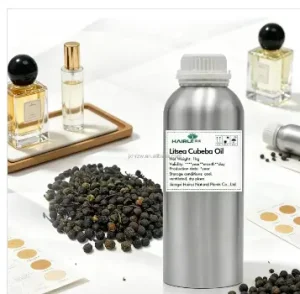
While synthetic routes from petrochemical bases exist, global sustainability policies and consumer preferences are tilting aggressively towards natural-derived citral. Industrially extracted primarily via steam distillation and fractional refinement from crops such as Litsea cubeba (which yields an oil exceptionally rich in citral, containing 70-85%) and lemongrass, the natural variant carries lower regulatory hurdles and provides superior organoleptic qualities. This whitepaper analyzes the technical roadmap, factory infrastructure, localized support networks, and macro industry solutions that define the competitive paradigm of modern citral sourcing.
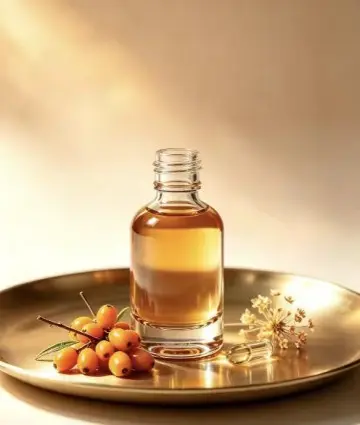
Product characteristics: Light Yellow Liquid, rich, sweet and sour berry aroma. Derived via supercritical extraction, retaining maximum carotenoids and vitamins.
Request COA & MSDS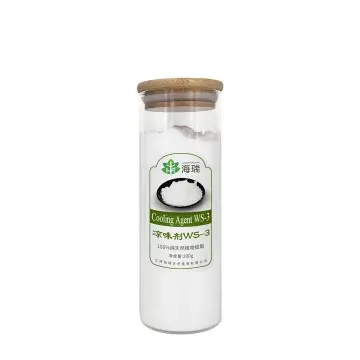
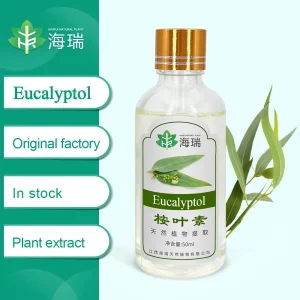
Product characteristics: High-efficiency cooling agent. White crystalline powder, pure cooling sensation (99% pure, CAS 39711-79-0), free of off-flavors.
Request COA & MSDS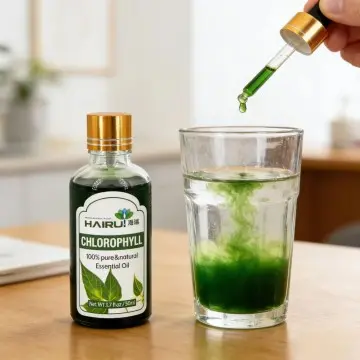
Product characteristics: Dark green shade, no synthetic dyes. Fully soluble for clean-label food, beverage, and phytotherapy applications.
Request COA & MSDSThe manufacturing landscape for Citral is undergoing a significant transformation. Historically dependent on basic fractional distillation of raw essential oils, the modern process relies on multi-stage vacuum fractionation and molecular distillation to isolate the Geranial and Neral isomers without triggering thermal polymerization or oxidation. Because Citral contains unsaturated aldehyde bonds, it is highly sensitive to heat and air exposure. Current technical advances focus on preserving the molecular integrity through every stage of production.
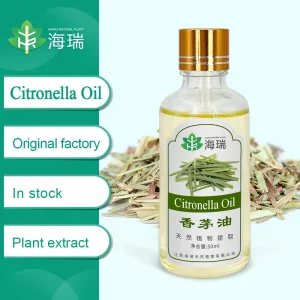
Supercritical CO2 and temperature-controlled steam distillation maximize initial raw oil recovery from Litsea cubeba crops while preserving the delicate cis/trans isomeric ratio.
Utilizing high-vacuum conditions to lower boiling points, isolating Citral fractions at precise temperatures (typically around 110-120°C at low pressures) to avoid degradation.
Post-purification, Citral is immediate stabilized using food-grade antioxidants and packaged under nitrogen blanketing to prevent auto-oxidation during bulk transport.
Researching enzymatic and bio-engineered yeast pathways to synthesize bio-citral, providing a 100% renewable supply chain independent of agricultural crop yields.
Looking ahead, the industry is moving towards natural-certified, pesticide-free, and heavy metal-free Citral. The demand is driven by stricter guidelines set by IFRA (International Fragrance Association) and international food safety authorities. Manufacturers are focusing on green chemistry principles, minimizing energy consumption and using recyclable solvents to lower the carbon footprint of chemical processing.
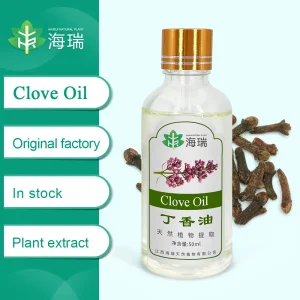
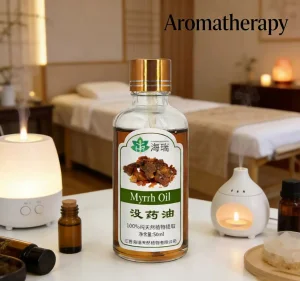
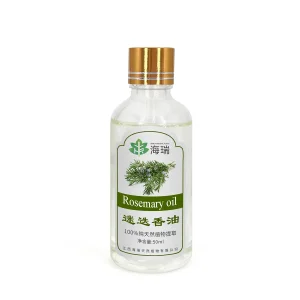
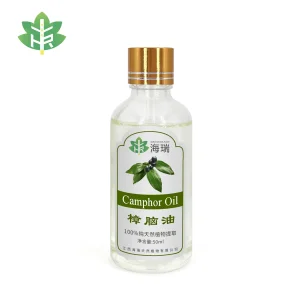
The essential oil usually extracted by steam distillation or cold compression. Hairui Natural Plant selects high-quality raw materials with high standards, strictly controlling and supervising the whole production and extraction process. Our portfolio includes Camellia, Eucalyptus, Oregano, and Peppermint oil, offering premium botanical oils for functional blends.
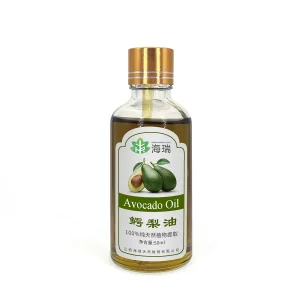
Base oil, also known as medium oil or carrier oil, is typically extracted via cold compression. Since single essential oils cannot be applied directly to the skin, they must be diluted in a carrier oil. Many carrier oils have medical properties of their own. We extract and process a variety of highly stable vegetable oils suited for cosmetics.
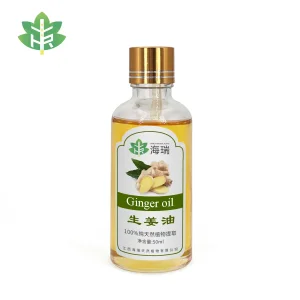
The herbal extract is usually separated by cooling from the essential oil. Premium products come from high-quality raw materials. We operate a 5,000+ acre self-owned raw material production base, where the entire process from seed selection, seedling raising, planting, and harvesting is supervised and controlled.
Citral serves as a key raw material across several global sectors, bringing functional values such as natural preservation, insect repellency, sensory enhancement, and chemical synthesis intermediates.

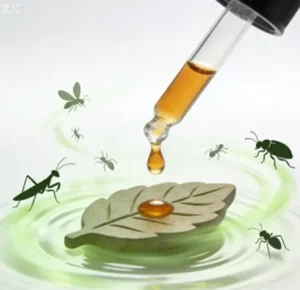
For example, sweet orange oil and plant-derived citral fractions are natural plant extracts without residual risks, offering unique advantages for the ecological environment. They promote crop leaf respiration and photosynthesis while acting as natural biopesticides with control effects on various pests and fungal diseases.
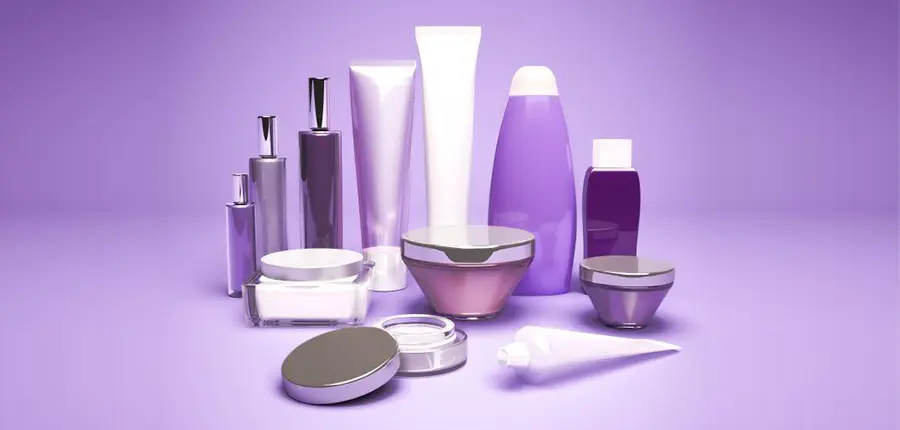
Used widely in hair care products, creams, and body lotions. In addition to adding a fresh citrus top-note, Citral's natural antibacterial qualities assist in preservation, reducing the load of synthetic parabens while conditioning and protecting the dermis.
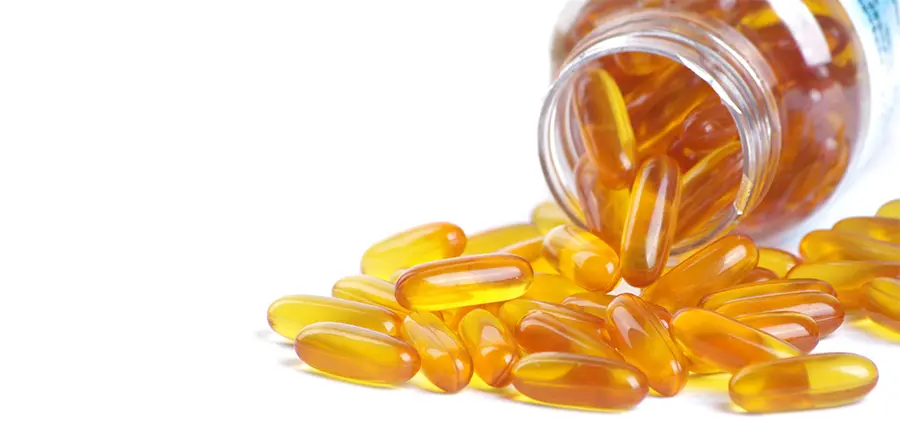
Similar to functional botanical extracts like evening primrose oil, which contains rich gamma-linolenic acids, Citral acts as a primary chemical precursor for synthesizing Vitamin A, Vitamin E, and high-potency ionones used in therapeutic capsules and supplements.
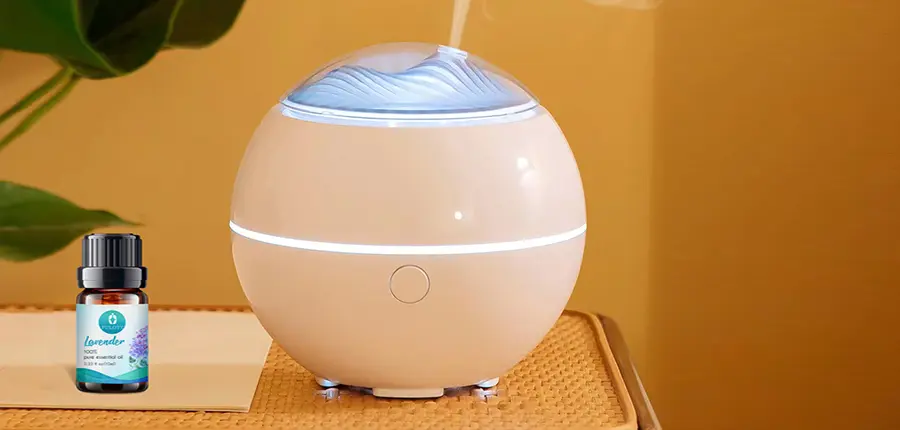
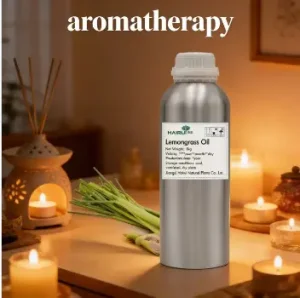
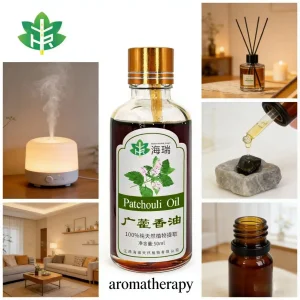
In aromatherapy, essential oil molecules move through the nasal cavity to trigger the limbic system, regulating mood and stress. Citral-rich oils like Lemongrass and Litsea Cubeba are extensively used in oil burners and ultrasonic diffusers to promote mental clarity and stress relief.
At Jiangxi Hairui Natural Plant Co., Ltd., we combine traditional botanical knowledge with modern, automated extraction systems. Our automated steam distillation units, continuous fractionation columns, and cleanroom packaging bays ensure that volatile molecules like Citral are produced and packed with minimal exposure to thermal stress or ambient oxygen.
Watch our corporate facility video to explore our state-of-the-art laboratory, agricultural raw material bases, and quality control systems that support our 2,000-ton annual output.
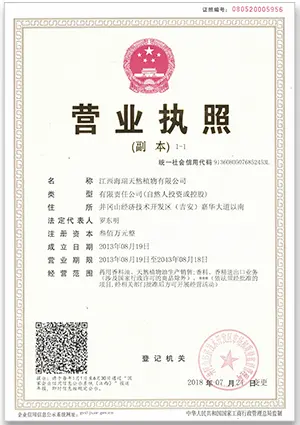
Global supply chains require consistent quality and stable pricing. Jiangxi Hairui Natural Plant Co., Ltd. addresses this through a vertically integrated "Factory 4.0" model located in the Jinggang Mountain High-Tech Development Zone, Ji’an, Jiangxi, China. By managing every stage of the process, we eliminate raw material bottlenecks and price volatility.
We source raw plant materials from our agricultural bases. Controlling the lifecycle from seed selection, planting, and harvesting ensures consistent essential oil yields and high citral content.
Our 13,000-square-meter facility features automated vacuum distillation towers and gas chromatography-mass spectrometry (GC-MS) equipment to inspect and verify every batch.
Supported by continuous-feed extraction pipelines and dry-nitrogen packaging technology, our facility has an annual production capacity of 2,000 tons of natural plant essential oils.
Sourcing managers in the pharmaceutical, cosmetic, and fragrance industries prioritize risk mitigation, batch consistency, and transparent documentation. Sourcing Citral requires addressing key quality and logistical factors:
| Sourcing Parameter | Critical Quality Requirement | Hairui Factory Standard |
|---|---|---|
| Chemical Purity | Minimum 95% to 98% combined Neral & Geranial isomers. | Verified at >96% via GC-MS on every batch. |
| Heavy Metals & Pesticides | Undetectable limits for food-grade and therapeutic use. | ICP-MS and GC-MS triple screening protocols. |
| Stability Profile | Resistant to degradation under storage. | Stored under dry-nitrogen in coated steel drums. |
| Regulatory Documentation | Complete transparency (MSDS, COA, Allergen Reports). | Full documentation package provided with shipping manifests. |
Our quality control program covers nine distinct checks, from farm inspection and raw biomass steam profile analysis to final container sealing, ensuring batch-to-batch consistency and trace traceability.
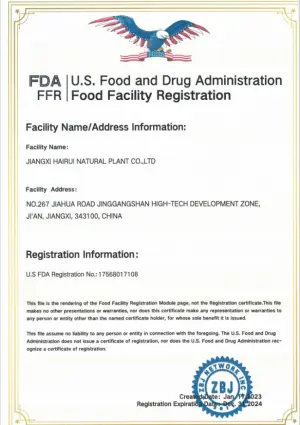
Exporting chemical compounds globally requires strict regulatory compliance. We provide complete documentation support to ensure smooth import and customs clearance processes for our international clients.
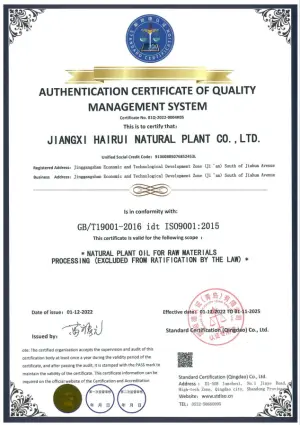
We maintain ISO 9001:2015, Kosher, and Halal certifications, and verify that our export batches comply with IFRA guidelines and European REACH registration requirements.
Citral is classified as a hazardous substance (UN 3082, Class 9 Environmentally Hazardous Substance). We manage all DG (Dangerous Goods) packaging, handling, and shipping procedures.
We work with international logistics providers to offer air freight for sample validation and sea/rail transport for bulk container deliveries, including customs paperwork support.