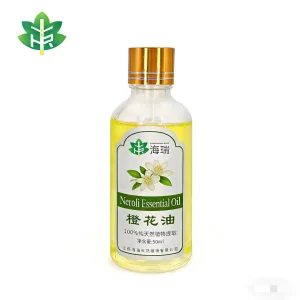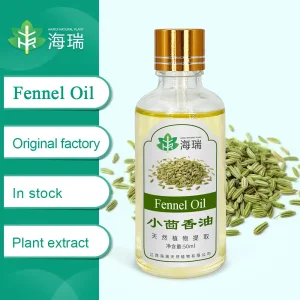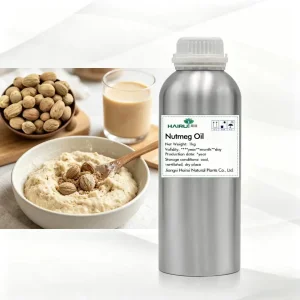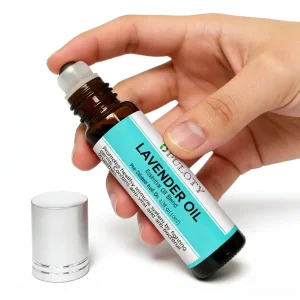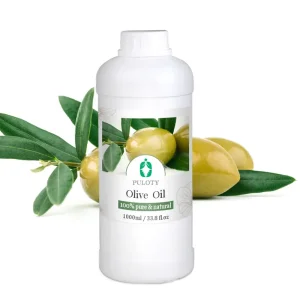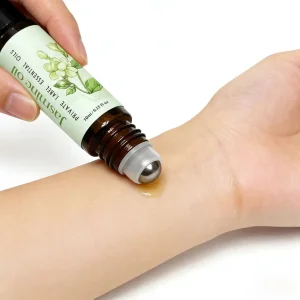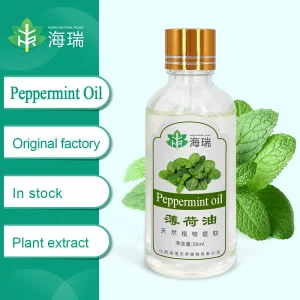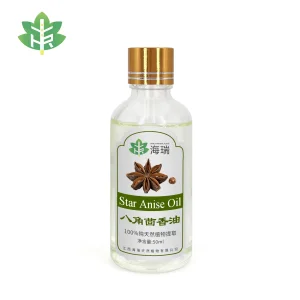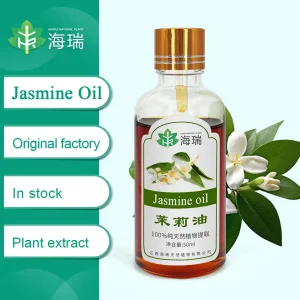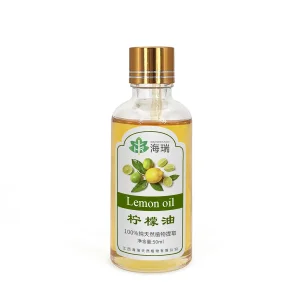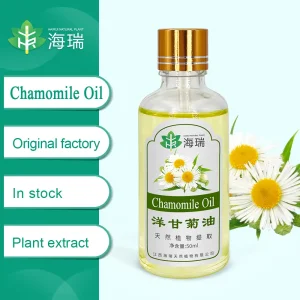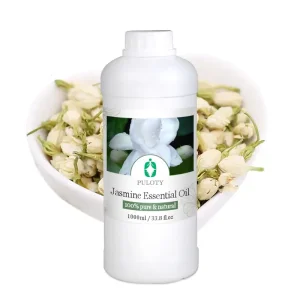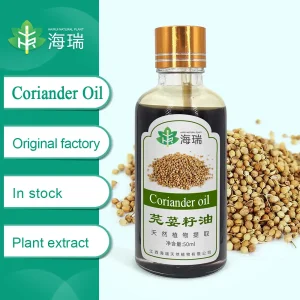
Explore our foundational range of highly purified extract options, sourced under state-of-the-art QA/QC protocols.
Cinnamaldehyde (specifically *trans-cinnamaldehyde*) is an organic compound with the molecular formula C₉H₈O. It represents the primary component that gives cinnamon its characteristic flavor, aroma, and functional bioactivity. Industrially, achieving a purity level of 99% is the gold standard for high-performance applications. Purity at this magnitude requires precision fractional distillation or advanced catalytic synthesis, limiting impurities that could trigger side reactions or degrade final product quality.
At a molecular level, cinnamaldehyde is characterized by an aromatic ring attached to an unsaturated aldehyde. This unique chemical layout makes it highly reactive, rendering it an exceptional building block for synthesizing complex chemicals, functioning as a robust ligand, and demonstrating significant antibacterial and antifungal properties. 99% pure cinnamaldehyde is a pale yellow, viscous liquid with a strong sweet-spicy scent. Because it is highly sensitive to light and air oxidation, top-tier factories enforce rigorous packaging standards (utilizing fluorinated containers, dark amber glass, or nitrogen-blanketed steel drums) to maintain the chemical integrity of the compound during global transport.
The global cinnamaldehyde market has shifted from a specialty spice derivative to a high-volume industrial chemical. In terms of commercial volume, cinnamaldehyde is utilized at scale across four key regions: North America, Europe, Asia-Pacific, and Latin America. As demand grows for environmentally friendly plant-derived agents, cinnamaldehyde has emerged as a safe, residue-free pesticide and fungicide alternative to synthetic organophosphates.
In addition to agriculture, the food and beverage industry continues to consume large volumes of cinnamaldehyde for confectionery, chewing gum, and beverage formulations. The pharmaceutical sector has also prioritized clinical trials exploring cinnamaldehyde’s role as an anti-inflammatory, hypoglycemic, and potential anticancer agent. Furthermore, the global fragrance sector relies on cinnamaldehyde to formulate warm, spicy accords for perfumes, soaps, and home air-care products.
Direct supply of specialized botanical oils and synthetic cooling compounds for agricultural, food, and cosmetic formulations.

Appearance: Light Yellow Liquid | Odour: Rich, sweet and sour berry aroma. Extracted from premium seed and berry pulp.
Read More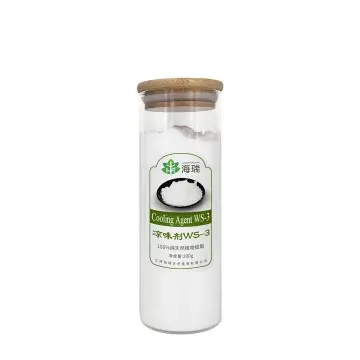
Appearance: White powder | Purity: ≥99% | CAS NO: 39711-79-0. Provides sustained cooling without flavor distortions.
Read More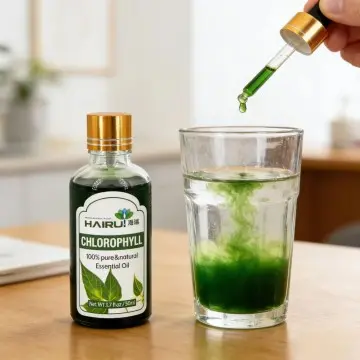
Appearance: Dark green liquid/powder | Odour: Odorless, highly stable natural coloring solution for cosmetics and beverages.
Read MoreChina leads global production of botanical derivatives and fine chemical synthesis. At the heart of this capability is Jiangxi Hairui Natural Plant Co., Ltd., founded in 2006. Located in the Jinggang Mountain High-Tech Development Zone in Ji’an, our factory is strategically positioned in a region rich in spice and aromatic plant resources.
Operating with a total investment of RMB 50 million (approximately USD 18 million) and covering an area of 13,000 square meters, our facility integrates traditional extraction methods with advanced chemical purification technologies. Our modern industrial setup features automated fractional distillation towers, state-of-the-art gas chromatography-mass spectrometry (GC-MS) analyzers, and dedicated chemical processing units. This robust infrastructure yields an annual capacity of 2,000 tons of natural and refined chemical compounds, ensuring stable bulk shipments to overseas markets.
Our operational efficiency relies on a structured, 9-step quality control protocol:
Three core manufacturing verticals designed to support food, pharmaceutical, and chemical development pipelines.
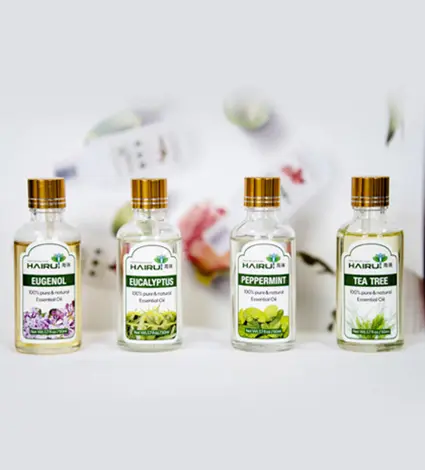
Sourced via steam distillation and cold compression. Our lineup features premium camellia, eucalyptus, oregano, and peppermint oils, which serve as foundational ingredients for cosmetic and pharmaceutical manufacturers.
See Collection →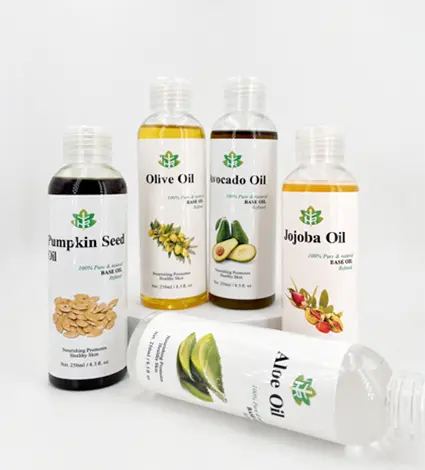
Cold-pressed vegetable and seed oils. Excellent for diluting single essential oils or serving as skin-conditioning bases in cosmetics. Formulated with natural antioxidant molecules to extend product shelf life.
See Collection →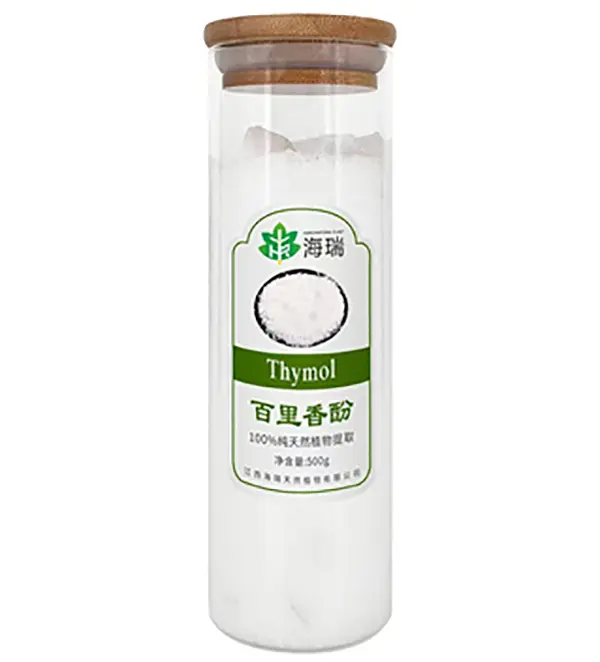
Isolated through targeted cooling and solvent separation. Powered by our 5,000+ acre raw material cultivation base, which ensures traceability from seed selection to final harvest.
See Collection →Understanding localized use cases is vital for global supply chain procurement. 99% Cinnamaldehyde is used in specialized configurations across different markets:
Several major developments are shaping the global cinnamaldehyde supply chain:
1. Shift to Green Chemistry & Natural Synergies: Regulations limiting synthetic chemical residues are driving developers to blend 99% cinnamaldehyde with other active natural oils, such as thymol or carvacrol, to create highly effective antimicrobial combinations.
2. Clean-Label Food Preservation: In food manufacturing, cinnamaldehyde is replacing synthetic chemical preservatives like BHT and sodium benzoate to satisfy growing consumer demand for clean-label products.
3. Advanced Delivery Systems: Because cinnamaldehyde is highly volatile, manufacturers are using nano-emulsions and cyclodextrin micro-encapsulation to control release rates, reduce oxidation, and extend stability in agricultural and feed applications.
Providing high-purity raw materials and extraction technology across agricultural, therapeutic, and aromatherapy sectors.

Natural sweet orange oil and plant extracts act as eco-friendly adjuvants, boosting crop photosynthesis and controlling pests with zero chemical residues.

High-purity botanical lipids like cold-pressed castor oil hydrate skin and condition hair while offering natural antimicrobial protection.
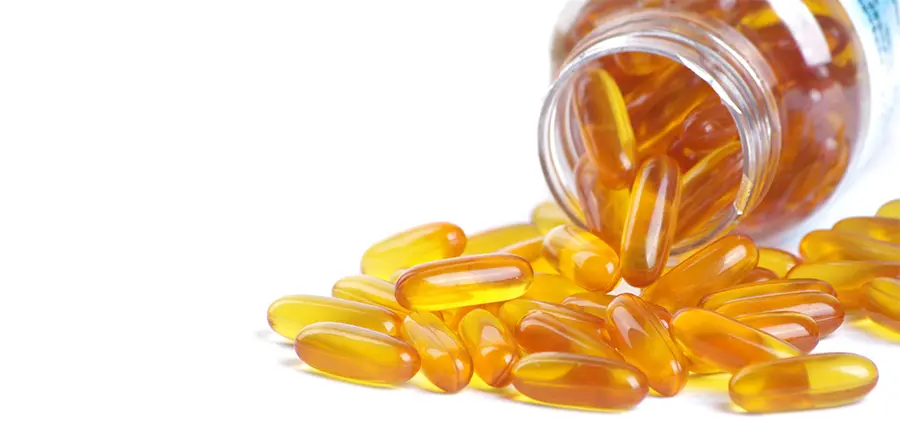
Cold-pressed evening primrose oil, rich in gamma-linolenic acid (GLA), is encapsulated to support cardiovascular and hormonal wellness.
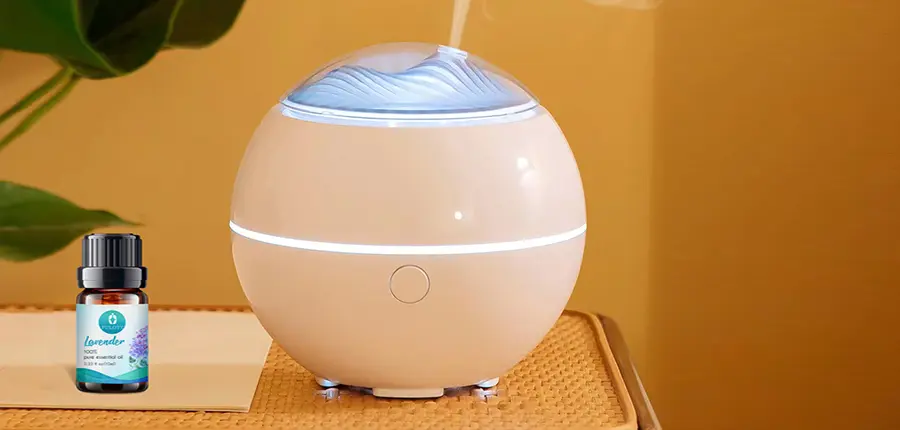
Pure, volatile essential oils target olfactory pathways to help soothe the mind, reduce stress, and regulate physical tension.
A virtual look at our advanced distillation technologies, research laboratories, and packaging facilities.
Our extraction lines and laboratories maintain international food-safety and chemical purity certifications.
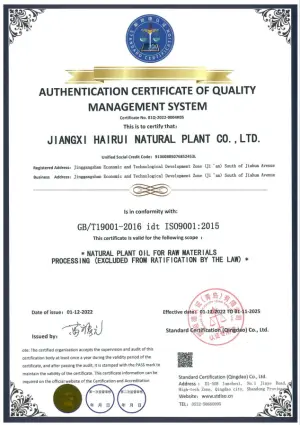
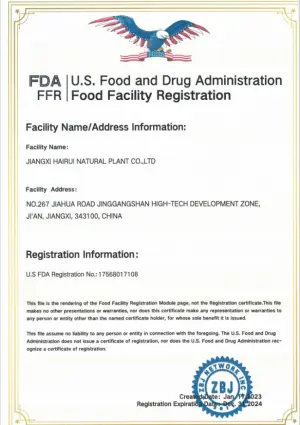
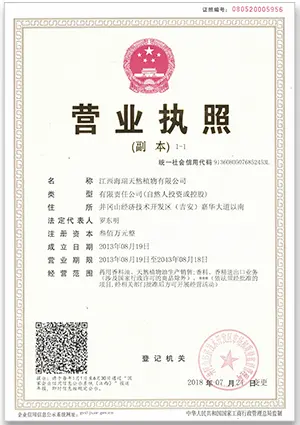
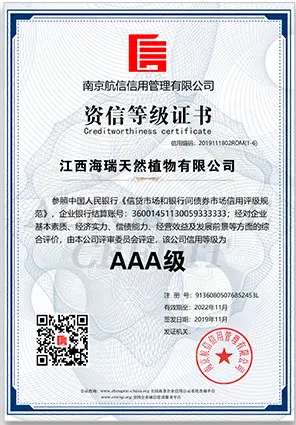
When sourcing 99% Cinnamaldehyde from industrial factories, corporate buyers must focus on supply chain metrics beyond simple price-per-kilogram. Ensuring smooth customs clearance and chemical stability requires a thorough compliance verification process:
1. Rigorous Chemical Specifications & COA Verification: Always request a Gas Chromatography-Mass Spectrometry (GC-MS) report alongside the Certificate of Analysis (COA). Ensure that the trans-cinnamaldehyde isomer constitutes at least 99% of the composition. Lower grades often contain residual chlorinated side-products or heavy metal traces that can ruin sensitive food-grade batches.
2. Packaging Integrity: Cinnamaldehyde is a natural plasticizer and reacts with standard polymers. High-purity cinnamaldehyde should only be shipped in specialized PVDF-lined steel drums, fluorinated high-density polyethylene (HDPE) containers, or glass-lined containers. Purging the head space with inert nitrogen gas prevents auto-oxidation during marine transport.
3. Regulatory Approvals: Confirm that the manufacturer has registration with relevant regulatory bodies. This includes FEMA (Flavor and Extract Manufacturers Association) registration for food flavorings, EPA/REACH numbers for industrial biopesticides, and standard SDS (Safety Data Sheets) with correct GHS hazard labeling for transit safety.
Technical and commercial answers for purchasing managers and chemical formulators.
Complete your sourcing requirements with our certified wholesale aromatic compounds and plant concentrates.