Advanced bulk extraction series developed for cosmetic, agricultural, and pharmacological integration
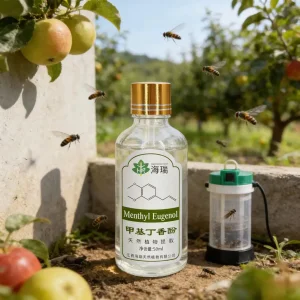
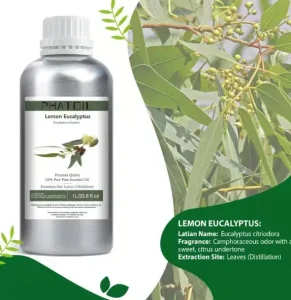
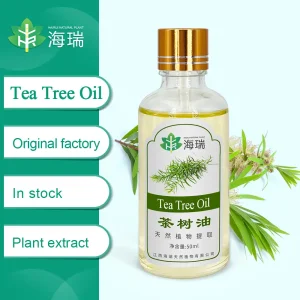
A B2B technical guide detailing molecular properties, extraction methods, and wholesale dynamics
In the global beauty, nutraceutical, and performance chemical sectors, procurement managers are increasingly seeking plant-based raw materials that offer high biological compatibility, chemical stability, and sustainability. Among these, Premium Jojoba Oil stands out not as a typical triglyceride-based vegetable oil, but as a unique liquid wax ester. This distinctive chemical structure gives it unparalleled oxidative stability, a near-infinite shelf life, and a biomimetic affinity with human sebum that traditional seed oils cannot match.
As a leading global manufacturer and exporter, Jiangxi Hairui Natural Plant Co., Ltd. (founded in 2006) leverages high-tech extraction processes and vast regional agricultural assets to produce premium cold-pressed carrier oils and essential oils. By understanding the deep-level chemistry of these materials, our customers—ranging from multinational cosmetics brands to agrochemical formulators—can secure raw ingredients that optimize both product performance and manufacturing cost-efficiency.
Unlike almond, sunflower, or rosehip oils which are triglycerides (composed of glycerol and three fatty acid chains), jojoba oil consists almost entirely of straight-chain esters (C36 to C46 molecules) formed by monounsaturated fatty acids and fatty alcohols. Because it contains no glycerol backbone, it is far less susceptible to hydrolysis and rancidity.
For formulators, this molecular structure offers key functional benefits:
Combining agricultural resource depth with high-tech separation and QC infrastructure
By owning over 5,000 acres of dedicated botanical cultivation bases, China-based factories like Hairui control the entire process from seed selection and nurseries to mechanical harvesting. This direct oversight ensures reliable raw material supplies, cushioning global buyers against the price volatility of the international botanical market.
Modern Chinese production hubs utilize cutting-edge cold-pressing technology and supercritical CO2 extraction methods. These methodologies operate at lower temperatures, preserving key heat-sensitive active ingredients—such as vitamins A, D, and E, as well as essential fatty acids—while keeping the output free from chemical solvents.
To meet global compliance standards, our manufacturing facilities feature state-of-the-art laboratory environments equipped with Gas Chromatography-Mass Spectrometry (GC-MS), High-Performance Liquid Chromatography (HPLC), and polarimeters. These tools verify purity, detect adulteration, and guarantee batch-to-batch consistency.


How premium carrier oils and extracts drive value across major industrial domains

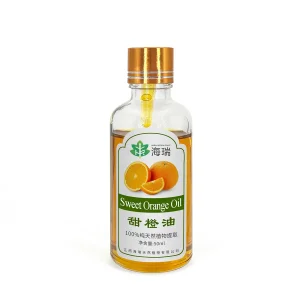
In eco-friendly farming, premium botanical oils serve as natural crop protection adjuvants. For instance, natural orange peel extract (sweet orange oil) acts as a highly effective, residue-free crop respiration booster and insecticide. Applied as an adjuvant or standalone treatment, it controls diverse plant pests and diseases, offering excellent environmental safety and clear economic returns for modern organic farming operations.
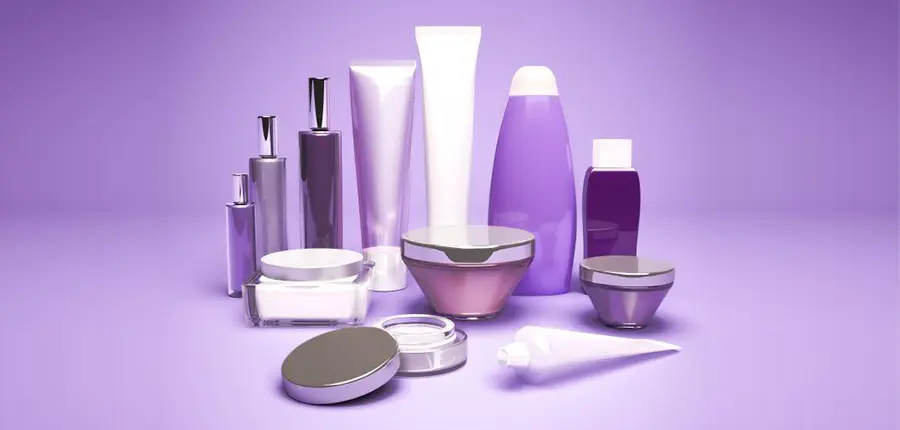
High-end cosmetic brands use premium carrier oils to condition hair and moisturize skin. For instance, castor oil and cold-pressed jojoba oil are proven to nourish the scalp, encourage healthy hair growth, and provide deep hydration. They restore the skin's lipid barrier, clear up scalp dryness, and add a brilliant shine to hair fibers, making them essential ingredients for premium creams, lotions, and serum lines.
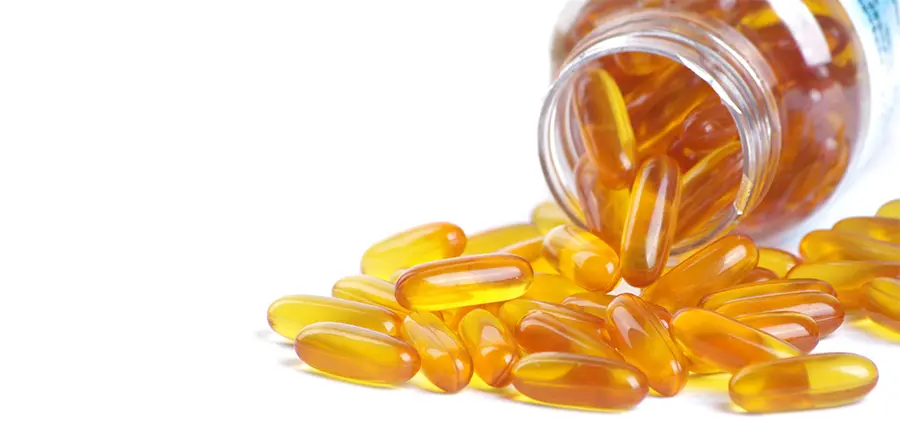
The nutraceutical industry encapsulates bioactive seed oils to treat systemic issues. For instance, evening primrose oil—packed with gamma-linolenic acid (GLA) and linoleic acid (LA)—is widely processed into softgel capsules. These formulations target cardiovascular health, manage premenstrual syndrome (PMS), and relieve menopausal symptoms, serving as a trusted, plant-based therapeutic supplement.
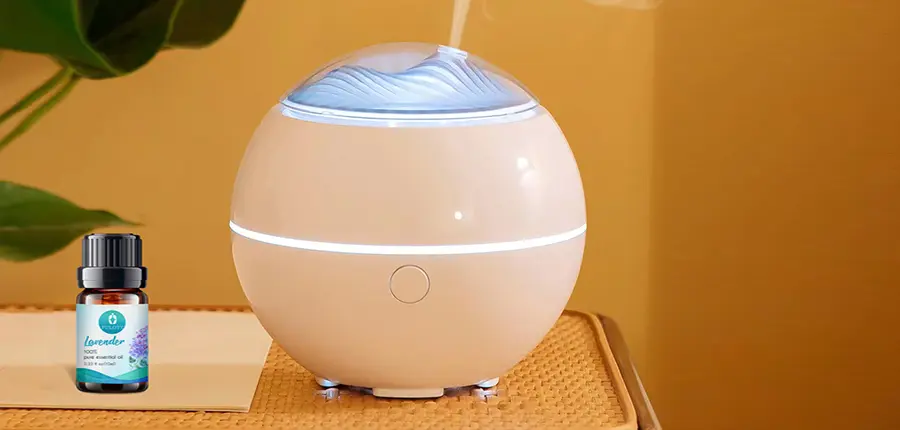
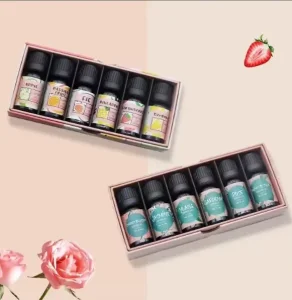
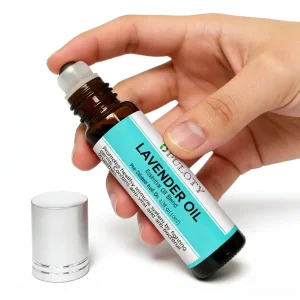
Ever since the scientific birth of aromatherapy in the early 20th century, essential oils have been prized for their therapeutic benefits. Today, high-grade lavender, eucalyptus, and mint oils are used in home diffusers and spas. Their volatile molecules stimulate the olfactory system and limbic brain areas, helping users manage stress, improve sleep quality, and restore emotional balance.
An expert analysis of regulatory shifts, clean beauty trends, and supply chain demands
The global carrier and essential oils market is undergoing a significant transformation, driven by three key factors: **regulatory changes in cosmetics**, a **growing consumer preference for clean labels**, and **advancements in green chemistry**. Modern procurement teams are moving away from petrochemical derivatives like mineral oil and synthetic silicones, replacing them with high-stability plant-based alternatives.
1. Clean Beauty and Silicone Replacements: In personal care formulations, silicones (such as cyclopentasiloxane) have historically been used to provide a smooth feel. However, because they do not break down easily in the environment, they face strict regulations in the EU and North America. Pure jojoba oil and specialized ester fractions are excellent natural alternatives, offering the same silky texture and spreadability while remaining completely biodegradable.
2. Supply Chain Transparency and E-E-A-T: Under Google’s Search Quality guidelines and international trade standards, the authenticity of natural products is critical. Brands must verify that their ingredients are pure. This has made GC-MS fingerprint testing and organic certifications (like USDA Organic and COSMOS) standard requirements for high-volume B2B supply contracts.
3. Modern Extraction and Low Carbon Footprints: As companies look to reduce their carbon footprints, manufacturers are adopting energy-efficient extraction techniques. Using solar-powered processing plants and reusing agricultural waste (such as extracting secondary compounds from spent seed meals) allows factories to keep production costs down while offering climate-conscious raw materials to global buyers.
A checklist for quality assurance, technical compliance, and international logistics
To ensure high quality, bulk carrier oils—especially premium jojoba oil—must meet precise chemical parameters. Standard industry specs include:
| Test Parameter | Golden Jojoba (Unrefined) Standard | Refined Jojoba Standard |
|---|---|---|
| Acid Value (mg KOH/g) | ≤ 1.0 | ≤ 0.5 |
| Peroxide Value (meq/kg) | ≤ 2.0 | ≤ 1.0 |
| Saponification Value | 90 - 98 | 90 - 98 |
| Iodine Value (g I2/100g) | 80 - 86 | 80 - 86 |
| Refractive Index (20°C) | 1.4650 - 1.4670 | 1.4650 - 1.4670 |
By enforcing these standards, manufacturers can prevent oil rancidity, assure long-term product stability, and maintain the chemical integrity of active botanical ingredients.
Direct answers from our senior plant extraction and logistics engineers
Chemically, Jojoba Oil consists of long-chain fatty acids (typically C20 and C22) esterified with long-chain fatty alcohols, containing no glycerol backbone. Traditional vegetable oils are triglycerides, which break down and turn rancid relatively quickly. This wax ester composition is nearly identical to human skin's sebum, allowing for deeper absorption without triggering excess oil production or clogging pores.
Golden Jojoba Oil is unrefined, retaining its natural golden color and mild, nutty aroma. It is packed with vitamins and natural antioxidants, making it ideal for clean-label, natural cosmetic serums. Refined Jojoba Oil goes through a gentle filtration and decolorization process to remove color and scent. This neutral profile is preferred for cosmetic formulations like lipsticks, where color consistency and aroma control are critical.
We implement a strict 9-step quality control system. Our modern in-house laboratory uses advanced Gas Chromatography-Mass Spectrometry (GC-MS) and High-Performance Liquid Chromatography (HPLC) to analyze every single batch. We verify physical and chemical indexes—such as density, refractive index, and acid value—ensuring all shipments match our official Certificate of Analysis (COA) before leaving the factory.
Unrefined jojoba oil is highly stable and has a shelf life of up to 3 years when stored correctly. Essential oils and lighter carrier oils generally remain stable for 2 years. To maintain quality, store the products in tightly sealed, food-grade steel drums or HDPE containers. Keep them in a cool, dry, well-ventilated warehouse away from direct sunlight and source heat.
Yes, we offer comprehensive OEM and ODM support. We provide custom bulk packaging options, including 25kg plastic drums, 50kg/180kg steel drums, and 1,000kg IBC totes. For retail-ready brands, we provide complete private labeling services, filling oils into amber glass dropper bottles, roll-on vials, or customized gift sets.
Get an inside look at our 13,000-square-meter facility in the Jinggang Mountain High-Tech Development Zone. See our raw material processing, clean-room bottling lines, and quality assurance labs.

Carefully extracted essential oils, robust carrier bases, and isolated herbal compounds
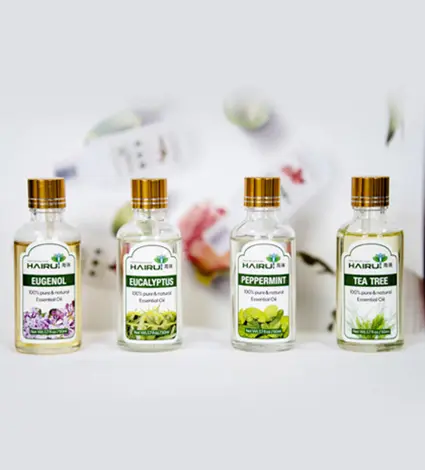
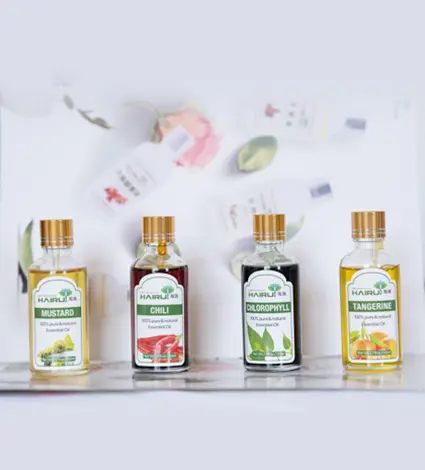
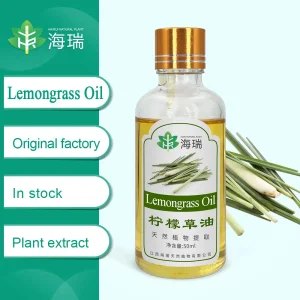
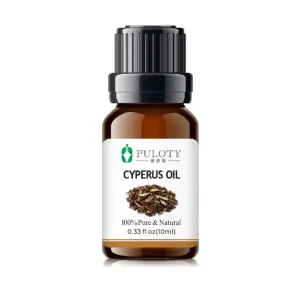
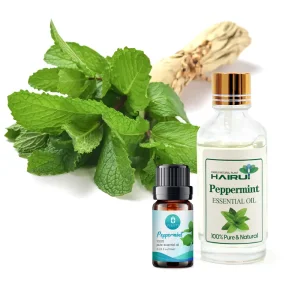
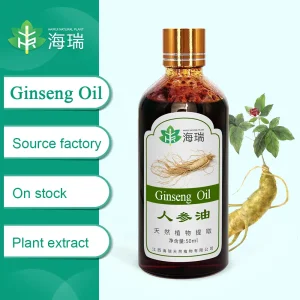
Typically extracted via steam distillation or cold-pressing. These highly concentrated aromatic extracts serve as premium raw materials for cosmetics, food, and therapeutic formulations, featuring key products like camellia, eucalyptus, oregano, and peppermint oil.
See More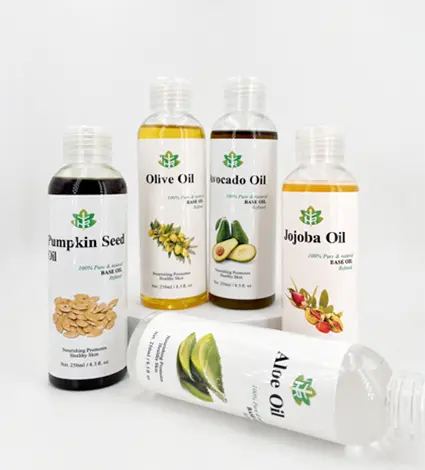
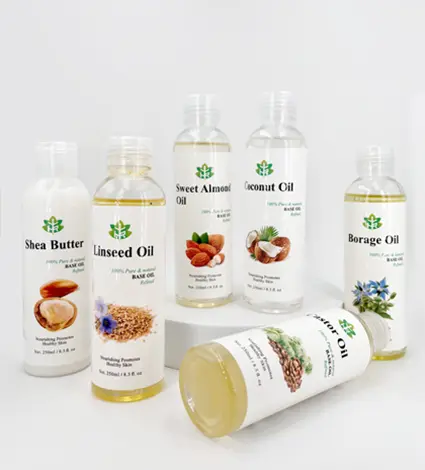
Cold-pressed carrier oils, also known as medium oils, dilute concentrated essential oils for safe dermal application. Many of these plant-derived bases carry unique skin-nourishing benefits, offering excellent formulation properties for cosmetic manufacturers.
See More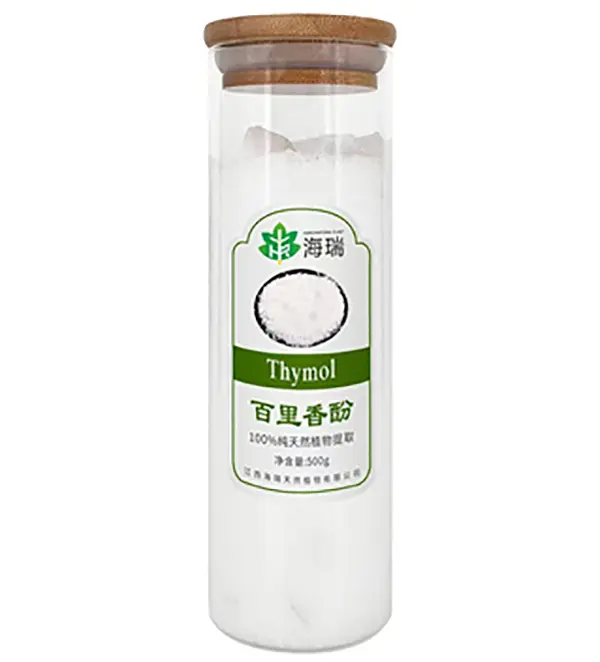
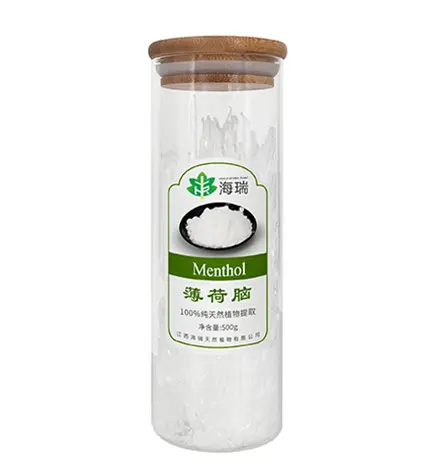
Separated and isolated from botanical matrices using temperature-controlled crystallization and vacuum distillation. Backed by our 5,000-acre agricultural base, we guarantee a stable supply of high-purity extracts for global pharmaceutical and wellness brands.
See More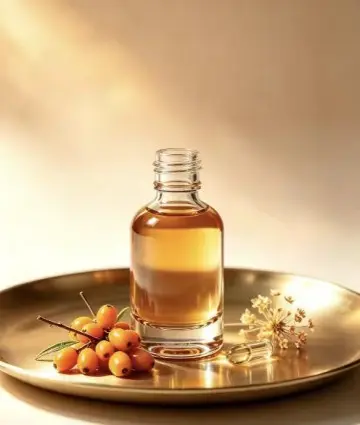
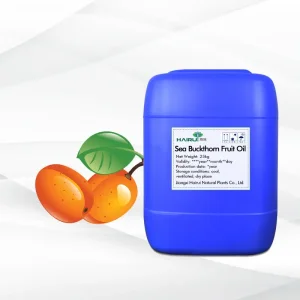
Product name: Sea buckthorn oil Appearance: Light Yellow Liquid Odour: Rich, sweet and sour berry aroma Ingredient: Pure Oil
Read More →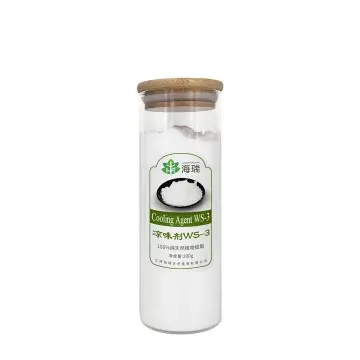
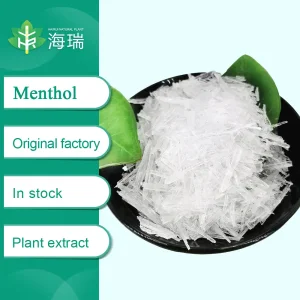
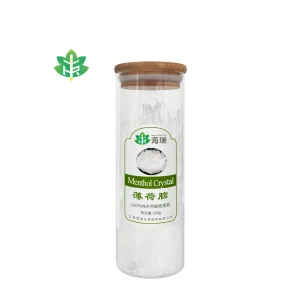
Appearance: White powder Odour: Cooling smell Ingredient: 99% CAS NO: 39711-79-0
Read More →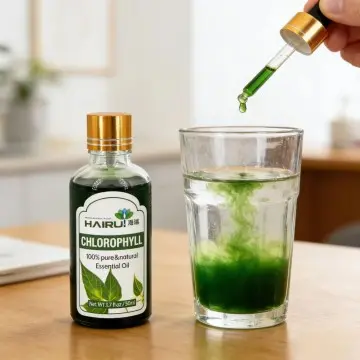
Appearance: Dark green Odour: No special aroma liquid Ingredient: Chlorophyll CAS No: 11006-34-1
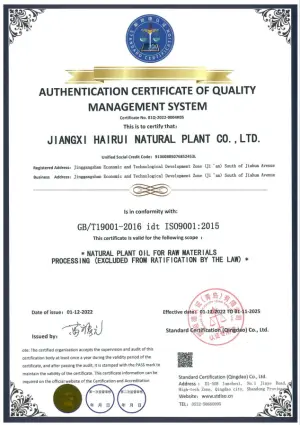
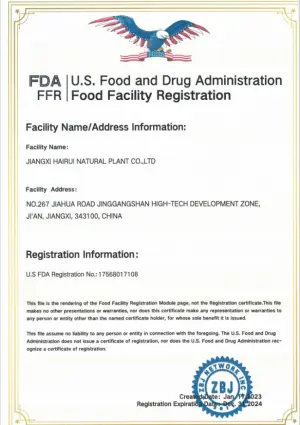
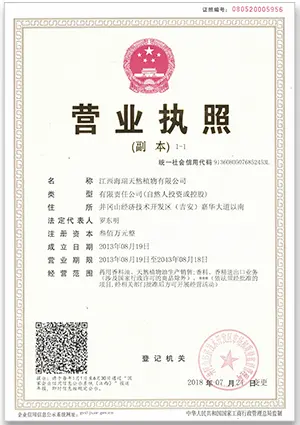
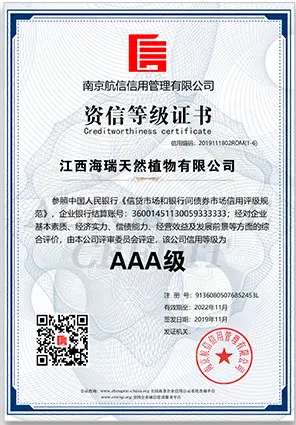
Read More →Verified manufacturing processes matching global export compliance demands
Premium essential oils, raw cosmetic bases, and natural insect repellents