
Sourcing Peppermint Hydrosol in bulk requires more than comparing prices. Buyers need a reliable product, consistent documentation, and a supplier that understands botanical ingredients. Peppermint Hydrosol should be identified by its botanical name, Mentha piperita, with clear information about production methods and origin. Steam distillation, filtration, and storage conditions can influence its aroma, appearance, and shelf life.
A practical sourcing review begins with recent samples. Check the liquid’s clarity, fresh mint scent, packaging, and performance in the intended formula. Request a Certificate of Analysis for each batch, including microbiological results, pH, preservatives, and relevant contaminant testing. Ask about pesticide screening when required by your market. Specifications should be written, not simply promised during a sales call.
Supplier experience matters.
Bulk orders also require careful operational planning. Confirm minimum order quantities, lead times, filling options, drum or jerrycan materials, and temperature recommendations. A supplier should explain how batches are traced from raw herbs to finished containers. Good communication becomes especially valuable when demand changes or a shipment arrives later than expected. No supplier is perfect, and a polished website proves very little. Even a detailed checklist can miss a storage problem. This is why independent testing and a small trial order remain sensible steps. By combining technical verification, transparent records, and realistic purchasing terms, businesses can source Peppermint Hydrosol with greater confidence and fewer costly surprises.
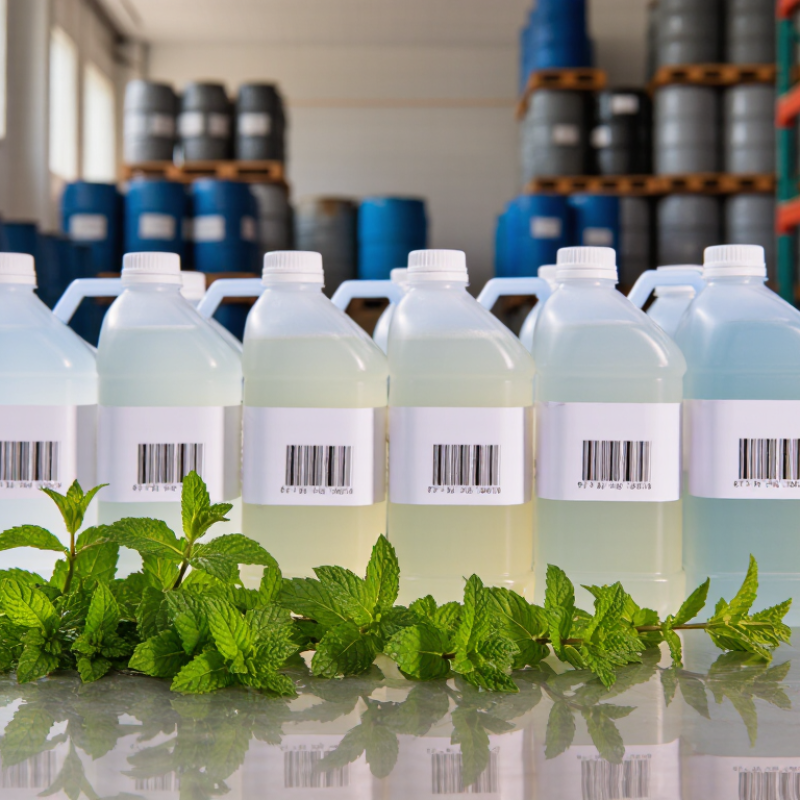
How to Source Peppermint Hydrosol in Bulk?
Peppermint hydrosol is the aromatic water produced during steam distillation of Mentha piperita leaves. It contains water-soluble plant compounds and trace volatile oil, unlike concentrated peppermint essential oil. The liquid should appear clear to slightly opalescent, with a cool mint aroma. Cloudiness is not automatically a defect, but sudden sediment may signal poor handling.
Its common uses include facial mists, scalp products, soaps, linen sprays, and water-based personal-care formulas. It can provide a fresh sensory effect without the high intensity of essential oil. Grand View Research valued the global essential oils market at approximately USD 22.5 billion in 2023, with continued growth projected through 2030. This figure does not measure hydrosol directly. It only shows the wider botanical-aromatics opportunity. That distinction matters.
For bulk sourcing, request the botanical name, distillation method, harvest or production date, preservative details, and a current certificate of analysis. Microbial limits, pH, appearance, and storage conditions deserve careful review. A 2024 industry outlook from Mordor Intelligence also identifies personal care and home fragrance as major essential-oil application areas, supporting hydrosol demand indirectly. Choose food-grade or cosmetic-grade documentation according to the intended use. Refrigerated storage may extend quality, but it does not correct contamination. I would test a small batch first. Suppliers sometimes describe diluted aromatic water too generously.
| Data Dimension | Definition or Typical Specification | Common Uses | Bulk Sourcing Considerations |
|---|---|---|---|
| What Is Peppermint Hydrosol? | Peppermint hydrosol is the aromatic water produced during the steam distillation of peppermint plant material. It contains water-soluble botanical compounds and very small amounts of dispersed essential oil components. Botanical water | Used as a refreshing water phase in personal-care, home-fragrance, and selected food applications. | Confirm the botanical identity, plant part, extraction method, country of origin, and whether the material is intended for cosmetic, household, or food use. |
| Peppermint Botanical Identity | The commonly used botanical name is Mentha × piperita. A supplier should identify the plant clearly and distinguish peppermint from spearmint or other mint species. | Important for products requiring a consistent cooling aroma and recognizable peppermint profile. | Request the botanical name, plant part used, harvest information, and a certificate of analysis for each production lot. |
| Appearance and Aroma | Fresh hydrosol is generally a clear to slightly hazy, colorless to pale liquid with a characteristic minty, fresh, cooling aroma. Natural variation can occur between lots. | Suitable for facial mists, body sprays, linen sprays, hair products, and other lightly scented formulations. | Define acceptable limits for color, clarity, sediment, and aroma before ordering. Unusual odor or visible contamination should trigger quality review. |
| Difference From Peppermint Essential Oil | Hydrosol is a water-based distillate and is much less concentrated than peppermint essential oil. It should not be treated as a direct substitute for essential oil. | Useful when a lower-intensity mint aroma and a water-compatible ingredient are preferred. | Check that quotations and technical documents refer specifically to hydrosol or floral water, not peppermint essential oil diluted in water. |
| Typical pH Range | Botanical hydrosols are commonly mildly acidic, but the actual pH depends on the plant material, distillation process, storage, and filtration. A lot-specific result is more reliable than a generic range. | Can support water-based formulations when the final product pH is adjusted and validated. | Request the measured pH for the specific lot and test compatibility with preservatives, packaging, and other ingredients. |
| Microbiological Quality | Because hydrosol is water-based, it can support microbial growth if handled or preserved improperly. Microbial limits should be established for the intended application. | Relevant to leave-on cosmetics, rinse-off products, sprays, and other water-containing goods. | Ask for recent microbiological test results, manufacturing hygiene information, storage requirements, and the recommended use-by period after opening. |
| Preserved vs. Unpreserved | Unpreserved hydrosol contains no added preservative, while preserved hydrosol includes a declared preservation system. The preservation approach must be compatible with the finished product. | Unpreserved material may suit short-term or controlled formulations; preserved material may simplify some commercial water-based products. | Confirm the full ingredient declaration, preservative concentration, regulatory acceptability, and whether the supplier supports stability testing. |
| Common Cosmetic Uses | Frequently used as part or all of the water phase in facial mists, toners, aftershave products, body sprays, shampoos, conditioners, and lotions. | Provides a fresh mint aroma and a cooling sensory profile; it is not automatically a proven treatment for a skin or medical condition. | Obtain cosmetic-grade documentation, allergen information where applicable, safety data, and guidance for incorporation into the final formula. |
| Home and Personal Fragrance Uses | Can be incorporated into room sprays, linen sprays, deodorizing mists, bath products, and handmade soap formulations, subject to compatibility testing. | Adds a clean, cooling mint character to water-based fragrance products. | Evaluate scent retention, staining potential, nozzle performance, packaging compatibility, and microbial stability in the final product. |
| Food or Beverage Use | Food use should not be assumed from a cosmetic or aromatic-water specification. The product must be specifically manufactured, documented, and legally permitted for food applications. | May be considered for culinary or beverage applications only when the required food-grade standards and formulation controls are met. | Request food-grade documentation, contaminant testing, applicable regulatory statements, and clear directions for intended use before purchase. |
| Bulk Pack Sizes | Commercial quantities may be offered in containers such as 5 L, 20 L, 25 L, 50 L, or larger drums and intermediate bulk containers, depending on the producer. | Suitable for small-batch manufacturing, contract production, and larger-scale product lines. | Compare price by usable kilogram or liter, container material, minimum order quantity, pallet configuration, and whether returnable packaging is available. |
| Packaging Requirements | Hydrosol should be stored in clean, tightly closed, compatible containers that protect the liquid from contamination, excessive heat, and direct light. | Helps maintain aroma, appearance, and microbiological quality during transport and storage. | Confirm container type, tamper evidence, fill volume, headspace, labeling, lot code, and shipping temperature requirements. |
| Shelf Life and Storage | Shelf life varies with processing, filtration, preservation, packaging, and storage conditions. A stated shelf life must be supported by supplier quality data. | Important for production planning and inventory rotation. | Request the expiry or best-before date, recommended temperature range, light protection requirements, and stability information for opened containers. |
| Documents to Request | A professional bulk supplier should be able to provide product specifications and traceability documents appropriate to the intended market. | Supports formulation, quality assurance, labeling, and regulatory review. | Request a specification sheet, certificate of analysis, safety data sheet, allergen statement, ingredient declaration, lot traceability, and applicable certifications. |
| Sample and Pilot Evaluation | A representative sample should be assessed before committing to a large order. Testing should include sensory profile, pH, microbiology, compatibility, and performance in the intended formula. | Helps verify that the hydrosol performs consistently in the finished product. | Order a pre-production sample from the same or comparable lot, define acceptance criteria, and confirm the supplier’s procedure for handling nonconforming batches. |
State the botanical name, intended use, required volume, and preferred harvest region. Mention your packaging and delivery needs. Be specific.
Request a recent certificate of analysis for each batch. It should show pH, appearance, aroma, microbial results, and preservative details. Also check the production date, batch code, shelf life, and transport conditions.
Not completely. A report cannot reveal a stale mint aroma or unexpected sediment. Inspect a sealed, labeled sample yourself. Trust documents, but verify the liquid.
Check its clarity, color, aroma, and visible sediment. Look for leakage or damaged seals. Compare the sample with the batch documentation. A clear liquid can still be unsuitable.
Ask about pesticide, heavy-metal, and allergen testing when required. Microbial limits also deserve careful review. Requirements vary, so confirm them before ordering.
Small orders often use 20- or 25-liter food-grade plastic containers. Larger shipments may use 200-liter drums or 1,000-liter IBC totes. Larger containers need more warehouse space.
A practical working range is about 2 to 8 dollars per liter before freight. Treat this as an estimate, not a fixed price. Testing, freight, and temperature-controlled delivery may cost extra.
Minimum orders may begin near 50 liters and exceed 500 liters for custom production. Typical lead times range from two to six weeks. Fresh distillation or custom labels can extend the schedule. Plan extra time.
It can reveal leakage, color changes, or inconsistent aroma before a larger purchase. Small pilot orders help. They cost time, but reduce unpleasant surprises. I would still record every unanswered question.
Sourcing Peppermint Hydrosol in bulk requires a clear understanding of the product and its intended applications. Peppermint Hydrosol is an aromatic water produced during the steam distillation of peppermint, and it is commonly used in personal care, cosmetics, aromatherapy, home fragrance, and selected food-related formulations where permitted. Buyers should define their required specifications, including aroma, appearance, botanical origin, production method, shelf life, purity, testing documentation, and applicable quality or regulatory standards.
A reliable sourcing process involves researching potential suppliers, reviewing their manufacturing capabilities, certifications, traceability practices, and customer support. Compare quotations carefully by considering concentration, packaging materials, minimum order quantities, shipping terms, and lead times rather than focusing only on the unit price. Before placing a large order, request representative samples and assess consistency, packaging integrity, and test results. The final purchase agreement should clearly state specifications, quantities, delivery schedules, quality requirements, documentation, storage conditions, and procedures for handling nonconforming goods.
