
Patchouli oil can smell rich and earthy in the bottle, yet aroma alone cannot confirm its identity or consistency. Choosing a reliable Patchouli Oil Supplier means checking evidence behind each batch, not relying on polished product descriptions. The ISO 3757 standard for patchouli oil provides a technical reference for product characteristics. CBI’s market guidance on essential oils also highlights the importance of quality documentation and buyer requirements. These sources offer a stronger starting point than broad claims about purity or origin.
Ask for a batch-specific certificate of analysis and a gas chromatography–mass spectrometry report. Check that the botanical name, country of origin, harvest or distillation details, and batch number match across documents. A supplier should explain how it stores oil and manages changes between harvests. Look for clear answers. Vague paperwork is a warning sign. Request a small sample, then compare its aroma and appearance with the supplied specification. Remember that one test cannot establish every aspect of quality.
Essential-oil chemist Dr. Robert Pappas is a relevant analytical authority, but I cannot verify a specific quotation from him about choosing patchouli suppliers. A fabricated quote would weaken an otherwise evidence-based guide. Any direct quotation should be checked against his published material or a recorded interview before use. This guide instead focuses on verifiable checks: traceable documents, consistent testing, and responsive communication. No supplier is perfect; even a well-documented batch deserves careful review.
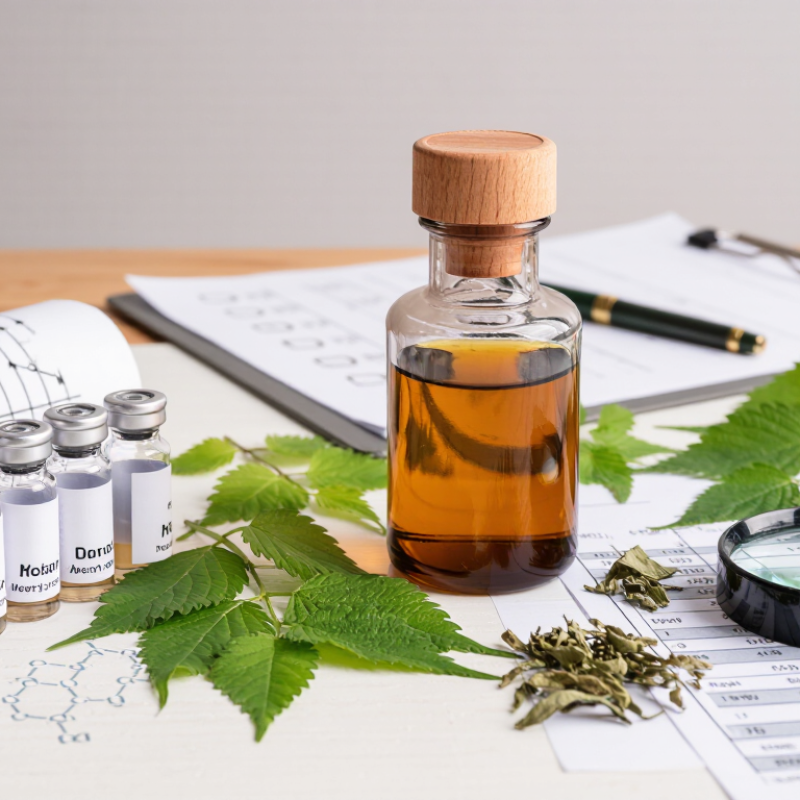
How to Find a Reliable Patchouli Oil Supplier?
Define Patchouli Oil Grades by Botanical Name and ISO 3757:2002
Start with the botanical name: Pogostemon cablin (Blanco) Benth. “Patchouli” alone may describe oils with different origins or processing histories. Ask the supplier to state the botanical name on the specification sheet, invoice, and batch documents. Then check whether the oil is assessed against ISO 3757:2002, the standard for patchouli oil. It defines quality characteristics and test requirements; it does not automatically certify a supplier or create universal commercial grades. Labels can mislead.
A reliable supplier should provide a batch-specific certificate of analysis and explain how its results relate to the standard. Review the analytical profile, density, refractive index, and other listed measurements, rather than relying on color or a quick scent check. A dark, earthy aroma can be useful context, but it cannot prove identity or quality. Ask about harvest origin, distillation date, storage conditions, and sample retention. Documentation should match the batch you receive. Sometimes it doesn’t; that deserves a clear explanation.
Tips: Request a small sample and compare its documents with the commercial batch. Check that the test method and standard edition are named. If a supplier uses “premium” or “grade A,” ask for measurable criteria behind the label. A thoughtful buyer leaves room for natural variation, but not for vague specifications.
It should identify the tested batch, sample, laboratory method, and test date. Check that patchoulol is listed as a percentage. Small details matter.
The article states a minimum of 26% for patchoulol. A result above that threshold is useful, but it does not prove overall oil quality.
Compare the report’s batch number with the product label. Ask for clarification if the number is missing or unclear. A polished report alone is not enough.
Ask for the growing region, harvest period, plant material, and steam-distillation process. Specific answers are more helpful than broad claims. Origin can affect aroma, but it is no guarantee.
Compare samples from at least two recent lots. Smell for earthy, woody notes and any sharp or musty edges. Check color and texture under the same lighting.
Consider one when a report is old, unclear, or difficult to connect to its batch. A sealed sample can help with comparison. It takes extra time, but may prevent guesswork.
Request written lead times for testing, packing, and dispatch. Ask about monthly availability, minimum order quantities, and stock reserved for repeat orders. Dates can shift.
No. One appealing bottle cannot show how later lots will compare. I might be overchecking, but I would ask how samples relate to current production.
Finding a reliable Patchouli Oil Supplier starts with confirming exactly what the product is. Check that the botanical name is Pogostemon cablin and that the oil’s grade is assessed against ISO 3757:2002. Request a recent GC-MS report and verify that the patchoulol content meets the ISO minimum of 26%. Also ask where the oil was grown, whether it was produced by steam distillation, and how each batch can be traced from origin to delivery.
Review the supplier’s certificate of analysis, safety data, and results from independent testing, ensuring the documents match the specific batch offered. Before committing to a larger order, compare samples for consistent aroma and quality. Finally, confirm lead times, available supply, and the supplier’s ability to maintain batch-to-batch consistency. These checks help you make an informed choice and build a dependable sourcing relationship.
